In January 2021, David Johnston, a licensed attorney from South Carolina, joined a mob of President Donald Trump’s supporters in illegally entering the Capitol. Now, over five years later, Johnston offers to help fellow ‘J6ers’ apply for compensation from a proposed fund. This fund, nearly $1.8 billion, is meant for those who claim they were victims of what they perceive as a ‘weaponized government.’ Johnston proposes to charge a 10% fee for this service, capping at $5,000 per award.
Johnston expressed optimism on social media, suggesting a shift in the narrative about that day. Many Trump loyalists who pleaded guilty to charges related to the Capitol riot, admitting their wrongdoing, have received pardons from Trump. They now look forward to accessing a $1.776 billion settlement fund. This fund aims to compensate allies of the Republican president who feel politically targeted.
The fund draws a mixed response. Critics see it as an attempt to sanitize the events of January 6 and reward Trump’s loyal followers. Despite the fund facing legal and political challenges, many participants in the Capitol riot seek to benefit from it.
Jason Riddle, a veteran from New Hampshire, refuses a pardon and compensation. He served 90 days for riot-related charges and believes accepting money for his actions would be wrong. Yet, not everyone shares his sentiment.
Some rioters argue for compensation because of their newfound infamy. For instance, a Florida man photographed with Speaker Nancy Pelosi’s podium seeks redress. A Texas man, sentenced to seven years for entering the Capitol with a metal tomahawk, sees the fund as fairness for victims of ‘Biden’s tyranny.’
Pamela Hemphill from Oregon, sentenced to 60 days, requests $5 million from the fund. Unlike others, she blames Trump for her actions, stating she would not have participated without his election claims.
The fund’s eligibility remains in question. It was created as part of settling Trump’s lawsuit against the IRS concerning leaked tax returns. Acting Attorney General Todd Blanche confirmed that the fund could receive applications. However, five commissioners, still unnamed, will determine compensation eligibility. Factors like the severity of actions and jail time will be considered.
Senate Republicans express concern over the fund. They intend to add restrictions within a Department of Homeland Security bill. However, a federal judge in Virginia has temporarily halted the fund’s formation, pending lawsuits.
Brendan Ballou, a former Department of Justice prosecutor, filed a suit on behalf of police officers defending the Capitol. Ballou argues that the fund undermines democratic institutions and misrepresents the January 6 events.
Nearly 1,600 individuals faced federal charges for their participation in the Capitol riot. Over 1,200 of them were convicted before Trump granted mass pardons. Trump also directed the dismissal of pending cases. This emboldened some supporters, who now see January 6 as a peaceful protest.
Johnston contrasts his public efforts to aid other rioters with the remorse he showed during his sentencing in 2022. He acknowledged the foolishness of his actions and accepted responsibility.
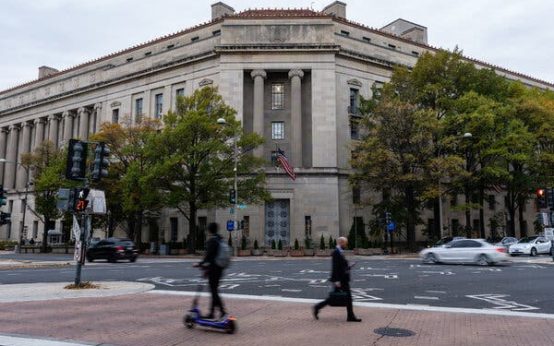 Justice Department Withdraws Plan for $1.8 Billion Fund
 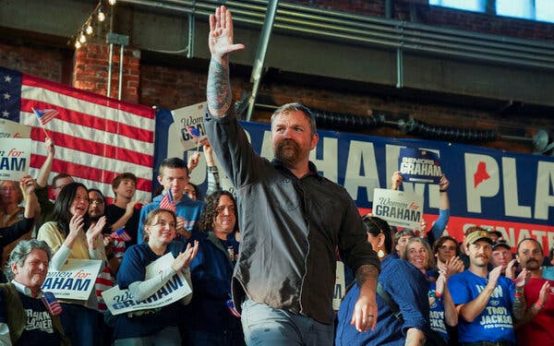 Democratic Concerns Grow Ahead of Maine Senate Primary
  Latin American Deportees in Congo: Return to Home Countries Amid Challenges
 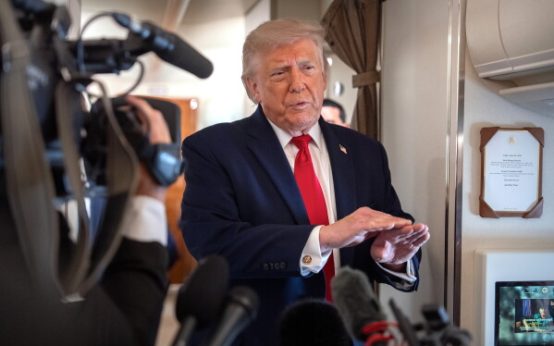 Federal Judge Invalidates Trump-Era Immigration Policy
  Debate Over White House Ballroom Construction
  Scrutiny Surrounds Graham Platner Amid Maine Senate Primary