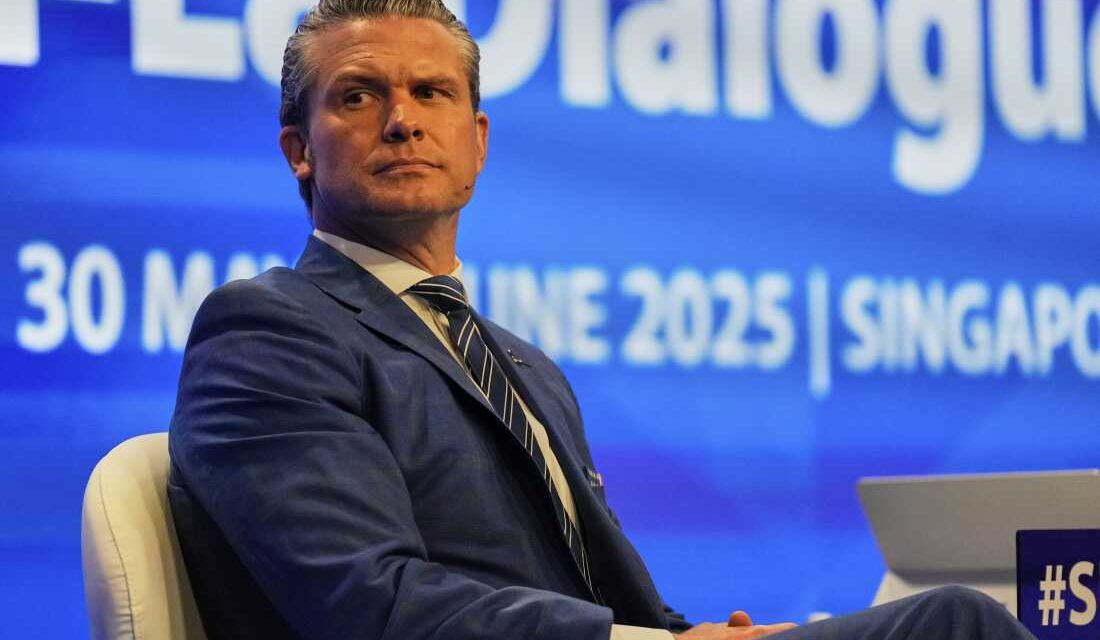
U.S. Pushes Allies for Increased Military Spending
At the 22nd Shangri-La Dialogue in Singapore, U.S. Defense Secretary Pete Hegseth urged Asian allies to increase military expenditures. He highlighted concern over China’s significant military growth. However, his speech did not address Taiwan specifically.
U.S.-China Relations
Hegseth remarked that U.S.-China relations have improved, describing them as better than in recent years. Despite positive remarks, he acknowledged concerns about China’s military actions. He warned that dominance by any single power in the Pacific could disrupt regional balance.
Previous Criticisms of China
This was Hegseth’s second appearance at the forum. Previously, he criticized China’s aspirations to become a hegemonic power in Asia and its aggressive stance on Taiwan. In 2025, he noted ongoing military harassment of Taiwan by China.
Uncertainty Over Taiwan
Earlier comments by President Trump suggested a potential shift in U.S. support for Taiwan. He had mentioned arms sales to Taiwan as a bargaining tool with China. Following this, U.S. arms sales to Taiwan were reportedly paused due to the conflict in Iran.
Audience Reactions and Observations
Ankit Panda from the Carnegie Endowment for International Peace attended the speech. Panda criticized the address for lacking substance on Taiwan and Iran issues. Hegseth assured that the U.S. has adequate weapons stock for Taiwan, emphasizing that future arms sales depend on the president.
Middle East Policy and U.S.-Iran Relations
On the topic of Iran, Hegseth reiterated Trump’s stance that a deal with Iran must prevent them from acquiring nuclear weapons. He stated that the U.S. is prepared to resume strikes if a satisfactory agreement is not reached.
Strategic Competition with China
While Hegseth praised improved U.S.-China ties, he acknowledged ongoing strategic competition. Vietnam’s President To Lam highlighted the risk of unchecked competition between major powers, emphasizing the danger of ‘might makes right’ mentality.
“The path to avoiding conflict between the U.S. and China is unclear,” Panda commented.
China’s Response
For the second year, China did not send its defense minister. Instead, a delegation of military experts and scholars attended. Zhou Bo, a retired senior colonel from China, noted Hegseth’s more moderate tone. He emphasized the importance of the U.S. recognizing China’s equal strength in their recent summit.
This article includes contributions from Jasmine Ling.
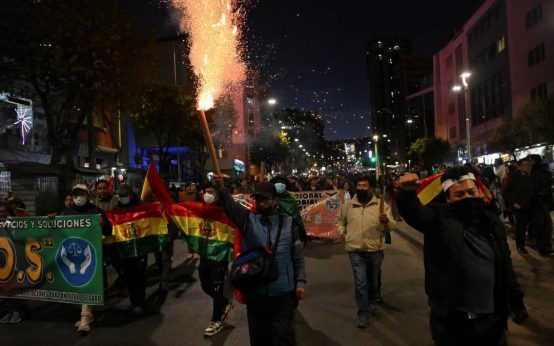 U.S. and Allies Condemn Efforts to Overthrow Bolivian Government
  Pamela Hicks: Cousin, Bridesmaid, and Witness to History
 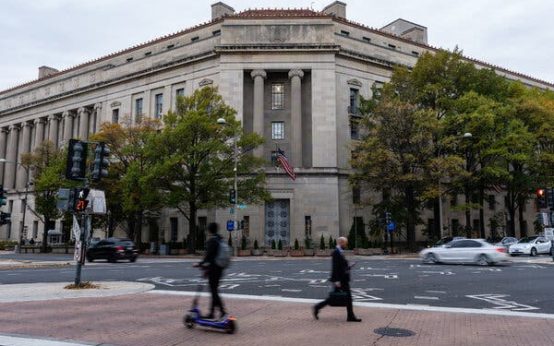 Justice Department Withdraws Plan for $1.8 Billion Fund
 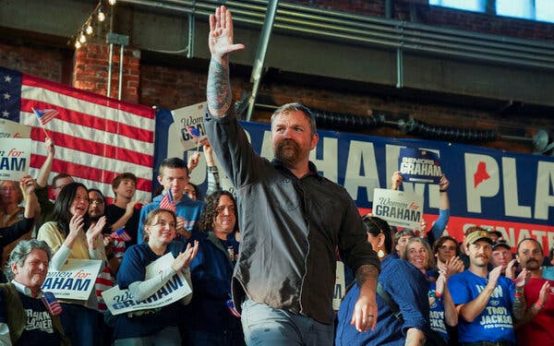 Democratic Concerns Grow Ahead of Maine Senate Primary
  Latin American Deportees in Congo: Return to Home Countries Amid Challenges
  Federal Judge Invalidates Trump-Era Immigration Policy