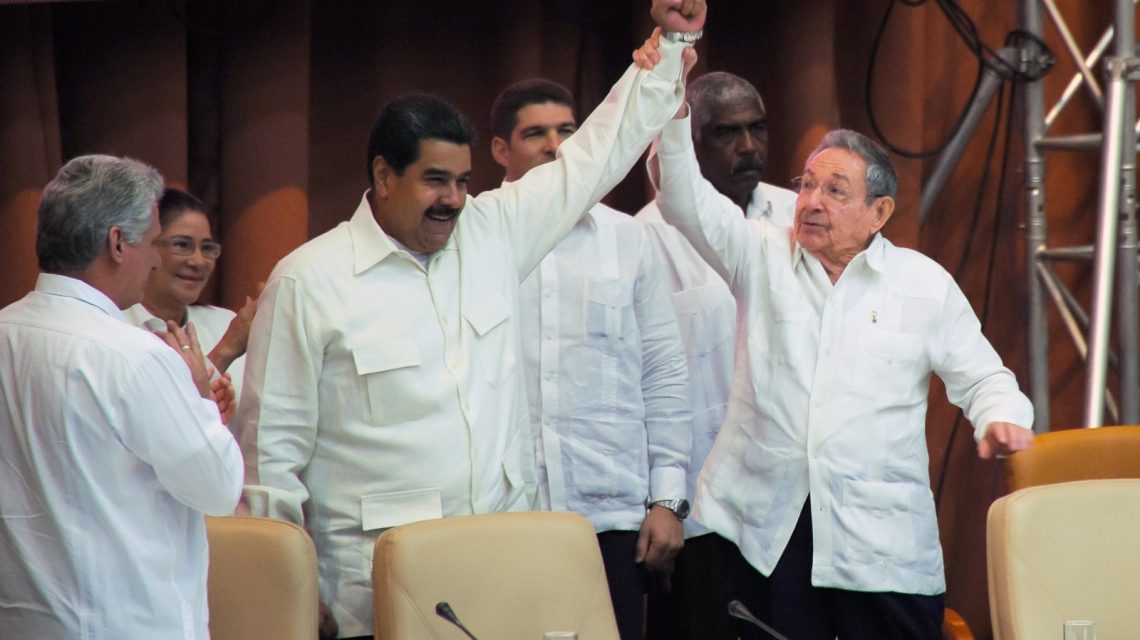
The U.S. indictment of Raúl Castro, former President of Cuba, has fueled speculation about possible actions akin to those taken against Nicolás Maduro, the Venezuelan President. Earlier this year, Maduro was seized in a Delta Force operation, leading to the death of 32 Cuban guards. Charged with ‘narco-terrorism’ during the 2020 Trump administration, Maduro awaits trial in New York City.
Charges Against Raúl Castro
Raúl Castro, who took over from his brother Fidel in 2008 and served for ten years, is charged for his involvement in the Cuban military’s 1996 shooting down of two civilian planes operated by an activist group linked to exiled opposition forces. The Department of Justice disclosed these charges on Wednesday.
This legal action coincides with strained U.S.-Cuba relations. Following Maduro’s abduction, a series of measures, including an oil blockade, were announced by the Trump administration. A military intervention was hinted at if Cuba resisted negotiations.
Escalating U.S. Foreign Relations
A similar approach was taken by Trump in February against Iran, where a military operation resulted in the killing of Ayatollah Ali Khamenei. Although talks continue, the focus on Cuba remains evident, as highlighted by Christopher Sabatini from Chatham House. He explained that increasing military threats were intended to provoke change through increased pressure.
Despite these tensions, Cuba has maintained a stance of openness to dialogue while rejecting U.S. attempts to enforce governmental changes. Sabatini warned of potential action if threats and posturing failed.
Potential Military Options in Cuba
Previously, analysts suggested Castro’s indictment might lead to military action. U.S. Secretary of State Marco Rubio, addressing Cuban citizens directly, criticized Cuba’s leadership, linking it to economic troubles and advocating for a new relationship.
Trump, however, indicated no immediate plans for escalation with Cuba, despite the deteriorating situation. Should he proceed, options include a Venezuela-style raid by Special Operations Forces or an extensive air war like that against Iran. Cuba’s outdated military might also allow for a full-scale invasion, although resource-intensive and facing potential asymmetric threats.
Any military scenario would require considerable resources, much of which are dedicated to the Middle East.
Cuban Response
Cuban President Miguel Díaz-Canel has vowed to fight back against U.S. military conflict, expressing confidence in the country’s leadership and revolutionary discipline to prevent any decapitation attempts.
According to Sabatini, replacing a leader like Delcy Rodríguez in Venezuela in Cuba would be challenging due to a cohesive elite structure and limited independent civil society. Removing Castro may not destabilize the system due to the entrenched military-led GAESA conglomerate.
Sabatini emphasized that many military officers benefit from this structure, ensuring its stability beyond Castro’s leadership.
Legal Questions and Challenges
Trump’s use of criminal indictments for military actions faces legal scrutiny. Tess Bridgeman of Just Security argued that U.S. operations in Venezuela and possible Cuban actions violate international law, lacking self-defense justification or U.N. Security Council authorization.
Domestic law issues also arise, as Trump lacks congressional authorization for war. Benjamin Gedan from the Stimson Center highlighted that indictments do not permit military invasions under domestic or international law.
Cuban Perspective on the 1996 Incident
The Cuban government condemned the U.S. indictment and disputed the narrative of the 1996 aircraft downing. Cuba claims to have acted against perceived hostile acts by the ‘Brothers to the Rescue’ organization.
Cuba reaffirms its commitment to peace and self-defense under the U.N. Charter, with strong national support for Raúl Castro.
Strategic Implications
While U.S. reconnaissance flights over Cuba have increased, physical confrontations have not followed. Benjamin Gedan suggested the indictment could serve as leverage for economic negotiation with Cuba, though an invasion is unlikely due to other U.S. engagements.
Richard Feinberg of the University of California, San Diego, viewed the indictment as aimed at the Cuban American community seeking long-standing vengeance against the Castros, rather than an effective resolution to Cuba’s crisis.
 Justice Department Withdraws Plan for $1.8 Billion Fund
  Democratic Concerns Grow Ahead of Maine Senate Primary
  Latin American Deportees in Congo: Return to Home Countries Amid Challenges
  Federal Judge Invalidates Trump-Era Immigration Policy
  Debate Over White House Ballroom Construction
  Scrutiny Surrounds Graham Platner Amid Maine Senate Primary