Introduction
The inaugural 48-team World Cup has sparked significant discussion. Concerns included diluted competition, restricted access for fans due to ticket pricing, potential risks from North America’s summer heat, and the suitability of a politically divided United States as the host nation.
Goal Surge: A Scoring Spectacle
As the early tournament days unfold, the World Cup is exhibiting a remarkable goal rate. Group matches are averaging 2.94 goals per game, a figure reminiscent of the 1970 finals in Mexico. This pace underscores a shift towards higher-scoring games, with early encounters yielding astonishing results such as Germany’s 7-0 victory over Curacao and Sweden’s 5-1 win against Tunisia.
Previous tournaments, like the 2014 World Cup, showed similar trends before dipping during knockout phases. However, the promise of continued excitement remains palpable.
Underdogs Rising: Shocking Upsets
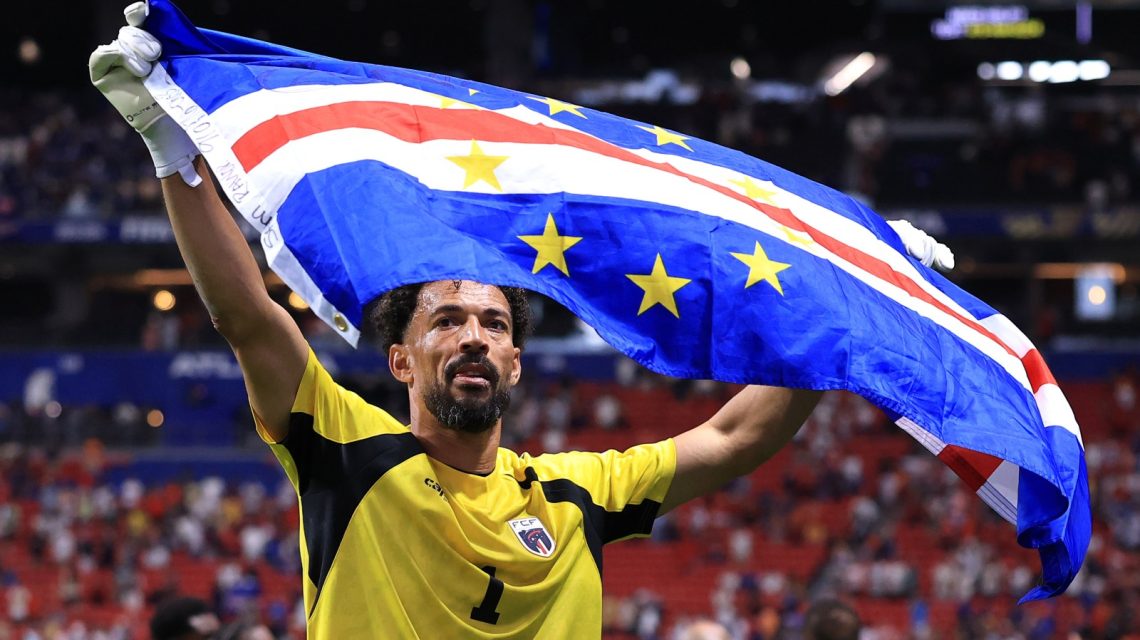
The tournament narrative is enriched by unexpected performances from less favored teams, challenging expectations of straightforward matches. Cape Verde marked its World Cup debut by holding Spain, the European champions, to a goalless draw—a historic upset, as Spain was unable to capitalize on its 27 scoring attempts.
Similarly, Qatar and Egypt achieved noteworthy results against Switzerland and Belgium, respectively. Japan’s impressive comeback against the Netherlands further highlights Asian teams’ endurance and strategic prowess, with South Korea also triumphing over the Czech Republic.
Ticketing Dynamics: High Demand and Variable Pricing
Despite criticisms regarding dynamic ticket pricing, demand remains robust. Data reveals significant resale value increases, especially for Mexico’s games, which have seen prices soar to four times their original cost. Across group-stage games, average prices have risen 14% in 30 days, indicating strong interest.
Approximately 5 million tickets have been sold, confirming FIFA President Gianni Infantino’s assertion of overwhelming demand.
Fan Engagement: Global Support and Cultural Celebrations
On a cultural note, visiting fans are contributing vibrantly to the World Cup’s atmosphere. Scotland supporters dominated Boston, celebrating their team’s participation with bagpipes and local festivities. Similar scenes unfolded in Kansas, where Algerian fans received a warm welcome.
Some tourists, such as German fans Freddy and Fiago, documented their experiences across the U.S., capturing local hospitality and iconic landmarks.
Television Ratings: Record-breaking Viewership
The World Cup has captured American audiences to an unprecedented extent. Key matches, like Mexico vs. South Africa, drew record-breaking viewership on Telemundo and Peacock, marking it as the most-watched Spanish-language broadcast in the U.S.
U.S. matches showcased high engagement, with Fox’s coverage setting new standards in viewership. This underscores the tournament’s widespread appeal and media impact.
Challenges: Hydration Breaks and Visa Issues
Despite successes, some issues persist. FIFA’s hydration breaks, mandatory at each half’s 22nd minute, have faced criticism for disrupting game flow. Additionally, the Trump administration’s immigration policies have posed challenges for various teams.
Cape Verde’s goalkeeper, Vozinha, highlighted visa-related obstacles preventing family attendance. Iran’s team faced logistical hurdles due to revoked ticket allocations and support staff entry denials.
While these challenges remain, early successes have instilled optimism. As group stages advance, the tournament promises further competition and engagement.
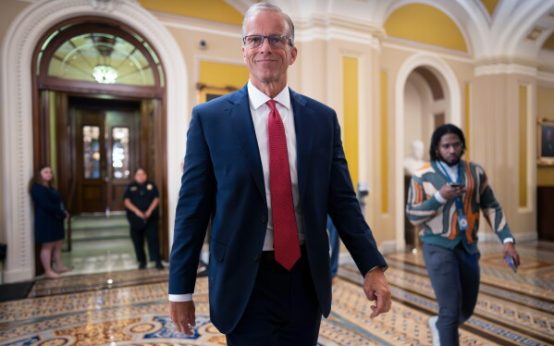 G7 Summit Focuses on Ukraine as U.S. Considers Reimposing Sanctions on Russian Oil
 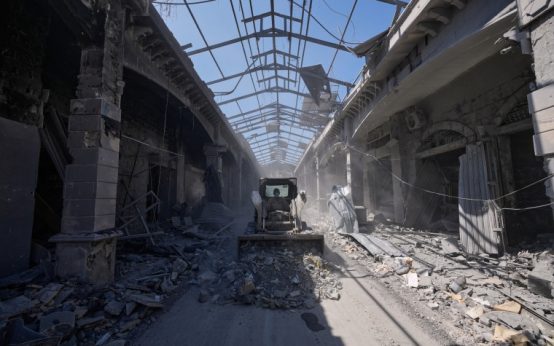 Residents Return to War-Torn Nabatiyeh Amid U.S.-Iran Deal
  G7 Leaders Converge with Diverse Goals
 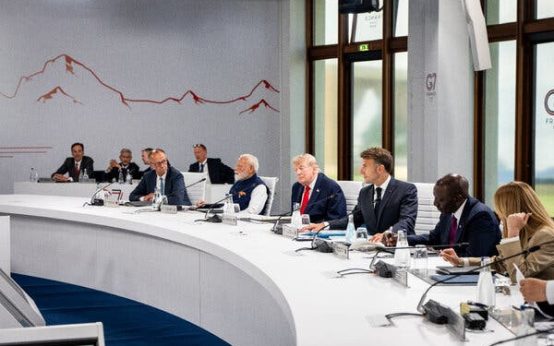 G7 Leaders Show Cautious Optimism Amid Tensions
  Cape Verde Goalkeeper Vozinha’s Fundraiser Aims to Bring Mother to World Cup
  Yerba Mate’s Global Journey: From South America to the World Cup