A recent Ebola outbreak in Africa has raised concerns among U.S. public health officials as the World Cup approaches. The tournament, which spans several North American cities, is set to draw hundreds of thousands of visitors. Despite the low likelihood of a significant Ebola outbreak in the U.S., officials worry about disease spread due to large gatherings.
The U.S. State Department, working with Canada and Mexico, has announced new health measures for those coming from high-risk regions. This coordinated effort aims to protect North American citizens and visitors during the World Cup while ensuring travel continues smoothly. Their joint statement emphasized the priority of health and safety as they welcome global visitors.
The measures coincide with actions by President Trump’s administration to control international travel. The administration is keen on keeping Ebola exposures overseas. Glen Nowak, a former CDC official, expressed concerns over U.S. preparedness, citing weakened public health systems and political divides impacting readiness for a large-scale outbreak.
This World Cup will be the second since the COVID-19 pandemic. Ebola and hantavirus have surfaced internationally, though experts note these diseases spread less easily than COVID. Still, questions linger about traveler safety to North America.
Reports indicate the Congo has asked FIFA for refunds for fans unable to travel to the U.S. due to Ebola travel restrictions. The Congolese team has left early to meet quarantine regulations. Experts warn that infectious threats might be common illnesses already known, for which preventive tools exist.
Doubts remain over the effectiveness of federal traveler screening from Africa. An account from The Hill mentioned a recent traveler from Uganda who experienced no screening at Washington Dulles Airport. The White House Task Force is pushing unprecedented federal coordination for tournament preparations, including health, safety, and security measures.
Some local officials near host cities feel federal communication has been lacking. Lori Tremmel Freeman from the National Association of County and City Health Officials highlighted that federal resource cuts could affect response levels. Coordination pressure is mounting on state and local health departments for handling events crossing state borders.
Criticism has been directed at the administration’s reduced CDC support and withdrawal from WHO engagements. New York City Health Commissioner Alister Martin stresses the need for international cooperation in handling threats. Federal support remains essential as health departments manage international events like the World Cup.
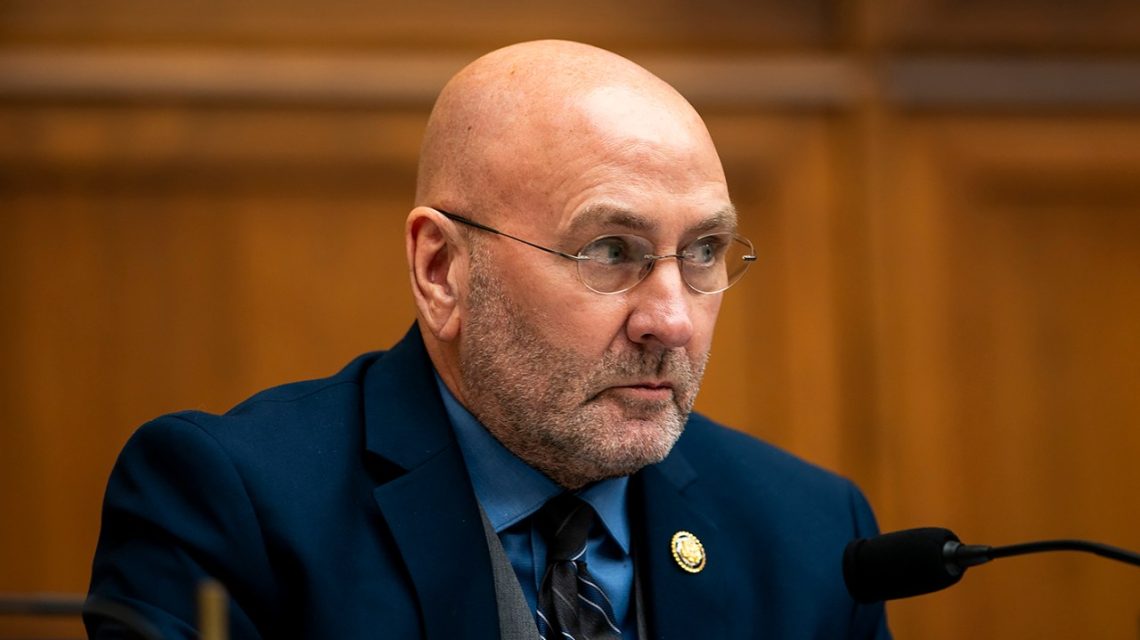
In related topics, efforts are ongoing in Congress to tackle college sports’ pressing issues, as a new Protect College Sports Act emerges. The Knicks and President Trump anticipate attending the NBA Finals, highlighting sports and politics’ intersection. UFC 250 preparation at the White House is notable. Rep. Clay Higgins shared sports preferences, underscoring personal and political athlete admirations.
 Mount Sinai Health System Faces Subpoena on Gender-related Care
 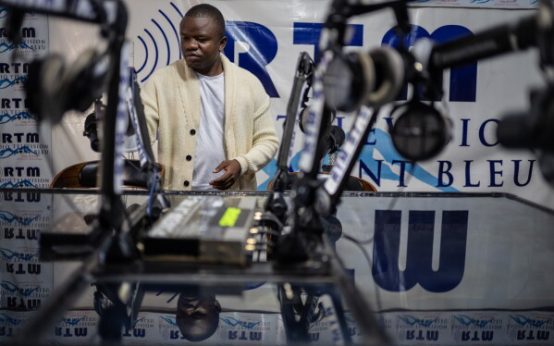 Potential Ebola Outbreak in Central Africa Raises Concerns of Rapid Spread
 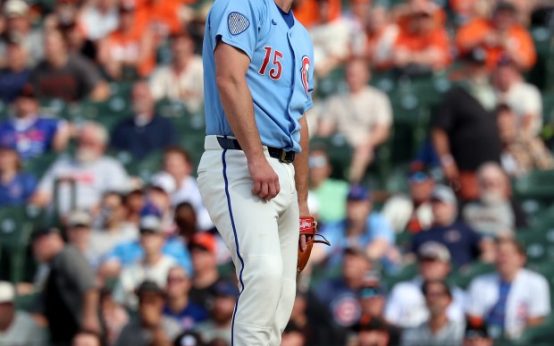 Chicago Cubs Struggle Despite Brief Optimism After Rally
  Researchers Escorted Out of Diabetes Conference for Criticizing Trump Administration
 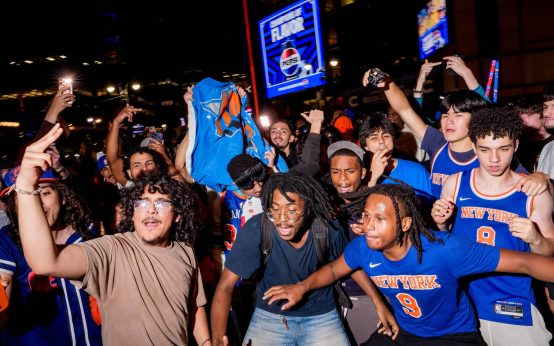 Knicks Fans Rally Across the Nation for NBA Finals Glory
  FIFA World Cup 2026: Enhanced Security Measures for Drone Activity