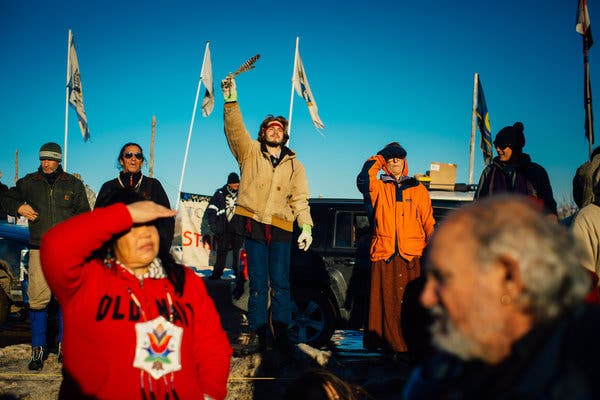
Greenpeace International has initiated legal proceedings in the Netherlands against Energy Transfer, an American pipeline company. This action is rooted in a countersuit under Dutch law.
The environmental organization argues that Energy Transfer attempted to silence it through an expensive lawsuit in North Dakota. This legal maneuvering is termed a Strategic Lawsuit Against Public Participation, commonly known as SLAPP. Such tactics are often used to drown opposition in legal fees.
A Dutch court has allowed Greenpeace to proceed with its countersuit. Greenpeace is accusing Energy Transfer of deploying long-standing legal challenges as a form of intimidation. Based in Amsterdam, Greenpeace International was one of three Greenpeace entities named in a lawsuit by Energy Transfer. The other entities are based in the United States.
Energy Transfer previously accused Greenpeace of racketeering in U.S. federal court, but that case was dismissed. Subsequently, the pipeline company pursued legal action in North Dakota state court, winning a substantial verdict of $345 million after a three-week trial. Greenpeace International’s involvement mainly involved signing a letter to financiers about the Dakota Access Pipeline project.
The verdict holds Greenpeace International liable for approximately $64 million on charges of conspiracy, defamation, and tortious interference. The two Greenpeace entities based in the U.S. claimed they were involved in peaceful protest activities. Nonetheless, the jury found them responsible for a larger portion of claims connected to physical actions during the Dakota Access Pipeline protests.
Prior to the North Dakota trial, Greenpeace International leveraged Dutch laws against SLAPP cases. These laws are crafted to protect activists and media from excessive legal harassment by influential opponents. While several U.S. states have adopted similar protections against SLAPP cases, North Dakota lacks such legislation.
 U.S. Military Awaits Pentagon’s Clarification on Troop Levels in Europe
  Potential Ebola Outbreak in Central Africa Raises Concerns of Rapid Spread
  U.S. and Allies Condemn Efforts to Overthrow Bolivian Government
  Pamela Hicks: Cousin, Bridesmaid, and Witness to History
  Limited Interest in Arctic National Wildlife Refuge Oil Auction
  Latin American Deportees in Congo: Return to Home Countries Amid Challenges