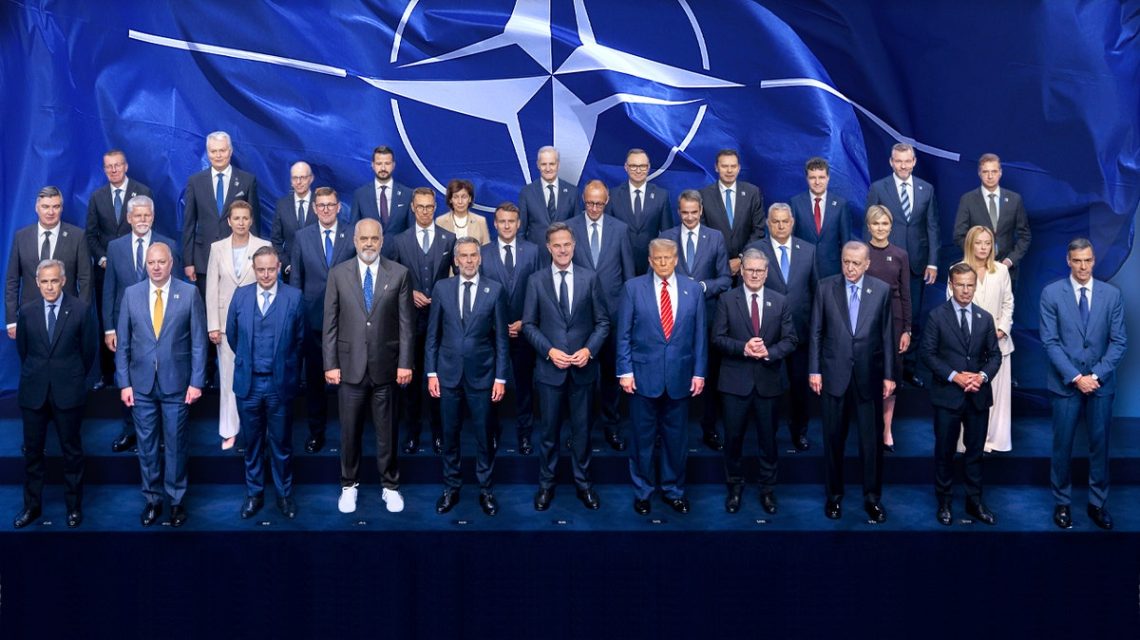
For more than three decades, the United States shouldered the largest part of NATO’s military responsibilities, while many European allies invested significantly less than the desired threshold. This imbalance persisted through the Cold War and several U.S. administrations. Only in recent years, following Russia’s invasion of Ukraine in 2022 and increased pressure from President Donald Trump, have many NATO members started raising their defense budgets considerably.
Causes of Longstanding Imbalance
Defense analysts attribute the persistent gap to a mix of post-Cold War optimism and domestic policy priorities. An American defense shield allowed Europe to spend less on defense without compromising security. Since the Soviet Union’s collapse, European governments redirected resources toward domestic needs, creating a ‘peace dividend’ mentality while reducing defense investments.
“For much of the post–Cold War period, it is fair to say that Europeans underinvested in defense, partly because threats were low, and partly because a series of U.S. presidents did everything they could to convince Europeans that we would stay there forever,” Barry Posen, a professor at MIT, told Fox News Digital.
Between 1992 and 1999, European NATO members reduced defense spending by 22%, setting a pattern of underinvestment. This continued even as the United States maintained its military presence in Europe.
Social Welfare and Security Dependency
While defense budgets fell, European governments often expanded welfare systems. Programs like healthcare and pensions grew, becoming deeply embedded in domestic politics and often more difficult to cut than military expenditure. Meanwhile, the U.S. continued providing substantial military power, relieving European governments of the pressure to boost their own defense spending.
This led to what analysts describe as a ‘moral hazard,’ allowing European allies to neglect military spending without immediate repercussions, as the U.S. commitment to NATO remained strong.
American Frustration and NATO’s Response
American frustration regarding burden sharing is longstanding. In 1953, President Eisenhower warned European allies of the possibility that “the American well can run dry” and insisted on a greater defense contribution from them. The issue resurfaced repeatedly as past U.S. administrations sought increased European defense investments.
In 2011, a farewell speech by then-War Secretary Robert Gates criticized European governments’ minimal defense spending, cautioning about dwindling patience among American taxpayers for continuing this trend.
Despite the repeated warnings, incentives saw little change, and the U.S. reinforced its commitment to NATO. Progress in defense spending was gradual and unequal among European nations, even after NATO set a 2% GDP defense spending benchmark in response to Russia’s Crimea annexation in 2014.
Recent Developments and Shifts
A combination of Russia’s 2022 aggression and Trump’s critical stance on NATO spending commitments highlighted longstanding issues. Trump’s approach pressured Europe to rethink its defense spending paradigm, prompting NATO allies to agree on a 5% GDP defense spending target by 2035, marking a significant change from previous benchmarks.
The new spending goal reflects a growing consensus on the need for stronger defense investments given current global threats. However, translating financial commitments into military readiness and capability poses challenges, as Europe remains reliant on U.S. defense support in many areas.
According to Jim Townsend, former Deputy Assistant Secretary of Defense for Europe and NATO, “Every administration has been pushing allies to spend more money on their own defense.” The urgency increased post-2014, yet full implementation might take time.
Ultimately, as NATO rethinks its defense strategy, significant rebuilding in military power will require not only budget increases but also the development of command experience and institutional knowledge, which are not swiftly acquired.
 Khanna Urges Apology from Maine Senate Candidate Over Misconduct Allegations
  Judge Overturns Trump-Era Immigration Policies
  Trump Aims to Reduce National Intelligence Office Size
  California Primary Election 2026: Key Races and Emerging Results
  Xavier Becerra Advances in California Governor Race
  Trump Criticizes Senator Tillis Amid Nomination Discussions