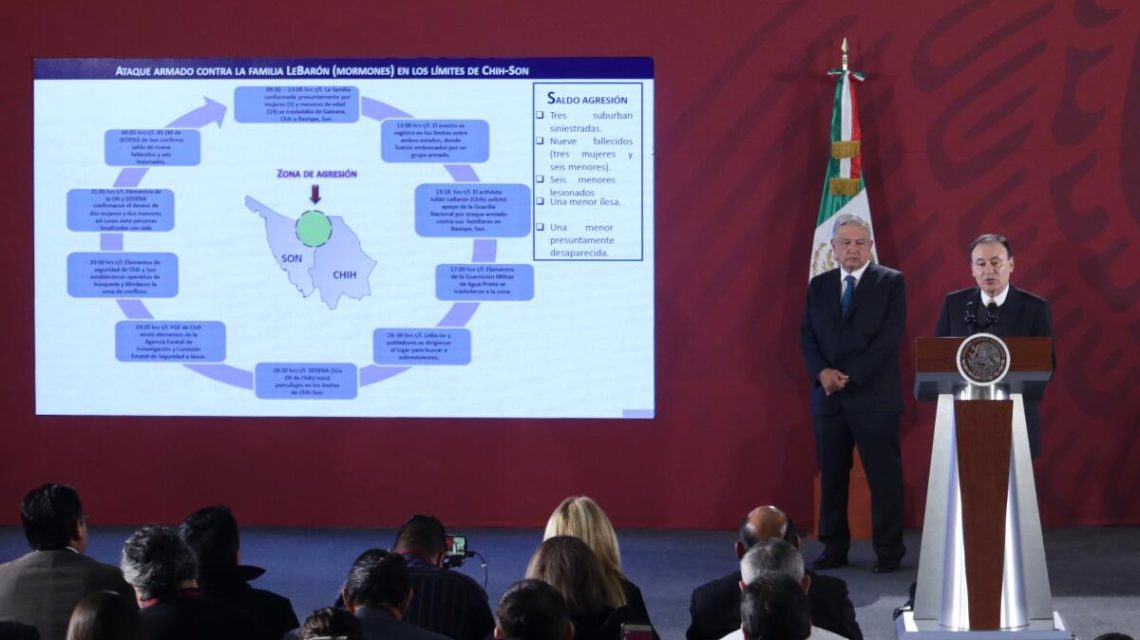
The United States is probing two Mexican governors due to suspicions of involvement in organized crime. This initiative is part of the Trump administration’s broader effort to scrutinize high-ranking Mexican officials suspected of criminal connections. Historically, the U.S. focused on drug cartels rather than sitting politicians in its anti-drug trafficking efforts. However, with major cartel leaders captured or neutralized, attention is shifting to political figures.
Governors Under Investigation
The governors in question, Alfonso Durazo of Sonora and Américo Villarreal Anaya of Tamaulipas, both from the ruling Morena party, have been stripped of their U.S. visas amid ongoing criminal investigations. Some sources allege Durazo’s ties to organized crime and his visa cancellation since last year. Nevertheless, Durazo denies these claims, asserting that his visa remains valid and rejecting any connection with criminal organizations.
Villarreal is reportedly linked to the illegal fuel smuggling trade, known locally as huachicol. Sources familiar with the case mention Villarreal’s frequent U.S. visits, often under a parole program used for cooperation with law enforcement.
Morena Party Under Pressure
These developments threaten the Morena party, led by President Claudia Sheinbaum, who came to power pledging to tackle corruption. She has criticized the U.S. investigations, viewing them as undermining Mexican sovereignty and suggesting they serve ulterior motives, possibly affecting upcoming elections in both countries.
Sheinbaum maintains a defensive stance, refusing U.S. demands to extradite party members, such as Governor Rocha Moya of Sinaloa, accused of aiding the Sinaloa cartel. She links some U.S. actions to political maneuvering, while U.S. officials argue for the necessity of targeting corrupt politicians supporting cartels.
U.S. Strategy and Response
The U.S. has discreetly nullified visas for numerous Mexican politicians, using this as a strategic tool to curb organized crime. However, not all American agencies agree with this approach, citing potential disruptions to investigations. Diplomatic tensions rise as Sheinbaum accuses U.S. interference, while resisting offers of military assistance against cartels.
This ongoing issue forms a backdrop to the nearing review of the North American trade agreement, adding another layer of complexity to U.S.-Mexico relations. The investigation and its political ramifications may influence the Mexican midterm elections in 2027, prompting Sheinbaum to tread cautiously in candidate endorsements to avoid destabilizing her party’s majority.
 California’s Primary Election: Highlights and Insights
  President Trump’s Attendance at NBA Finals Game Sparks Reactions
 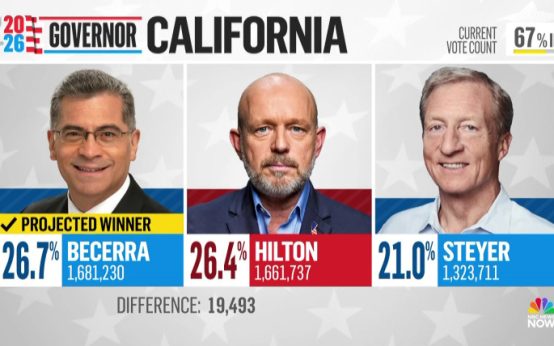 Investigations Launched Amid California Election Fraud Claims
  Khanna Urges Apology from Maine Senate Candidate Over Misconduct Allegations
  Judge Overturns Trump-Era Immigration Policies
  Trump Aims to Reduce National Intelligence Office Size