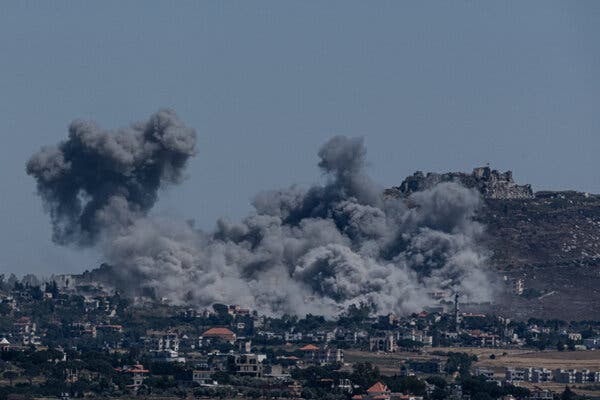
The new U.S.-brokered ceasefire aimed at halting the conflict in Lebanon faces significant challenges. On Thursday, Israeli airstrikes continued in southern Lebanon.
The agreement depends on Hezbollah ceasing its attacks first, but the group has rejected these terms. Moreover, Israel has stated that its military actions will not stop. The reality on the ground remains unchanged, with ongoing fighting between the parties involved.
Less than a day after the ceasefire announcement by the Trump administration, the deal’s limitations became evident. It requires Hezbollah to withdraw from the border area with Israel and completely stop its attacks.
However, Israel is not obligated to make any immediate compromises, and Hezbollah was not part of the negotiation process. This leaves Lebanon’s government with minimal influence over the group’s actions.
Naim Qassem, Hezbollah’s leader, criticized the agreement on Thursday. He viewed it as a demand for Hezbollah to yield while Israeli military operations persisted. He insisted that any ceasefire should end Israel’s military presence in Lebanon, a stance that continues due to Israel’s invasion in March and its subsequent occupation in parts of Lebanon.
“As long as the occupation continues, the resistance will continue,” Mr. Qassem stated.
On Thursday, Hezbollah reported launching rocket and drone attacks on Israeli forces in the border region. Israeli airstrikes against southern Lebanon persisted. This ongoing military activity demonstrates the limitations of the ceasefire agreement and its lack of immediate impact on the lives of civilians.
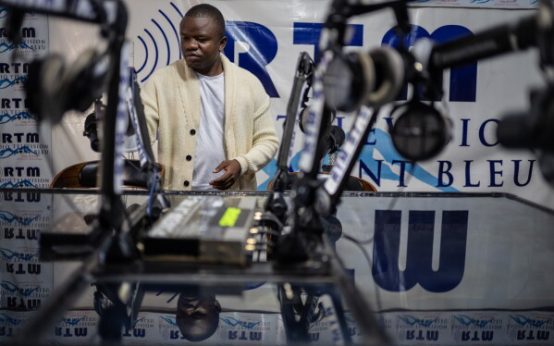 Potential Ebola Outbreak in Central Africa Raises Concerns of Rapid Spread
 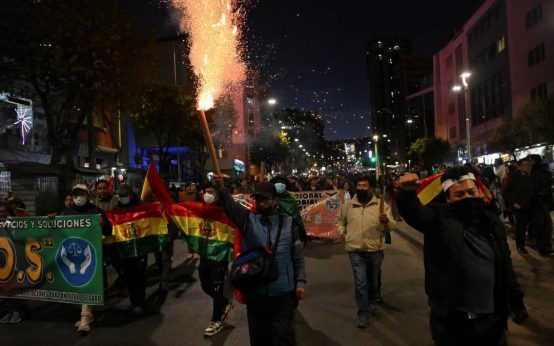 U.S. and Allies Condemn Efforts to Overthrow Bolivian Government
  Pamela Hicks: Cousin, Bridesmaid, and Witness to History
  Latin American Deportees in Congo: Return to Home Countries Amid Challenges
  Controversy Surrounds Stabbing Incident of British Student
  Royal Cottages and Controversies: Financial and Legal Revelations