
In Los Angeles, the political landscape took a surprising turn as incumbent City Attorney Hydee Feldstein Soto faced likely defeat in the recent elections. This event echoes a historic upset from 1933, during the Great Depression, when voters ousted the sitting city attorney amid widespread unemployment and crime.
Rise of Marissa Roy
A deputy attorney general at the California Department of Justice, Marissa Roy, emerged as the frontrunner in the race. Roy’s strategy combined grassroots efforts and social media engagement, promoting her commitment to support wage workers and tenants. Her success was fueled by endorsements from influential unions and a coalition of democratic socialists, reminiscent of California’s political shift in the 1930s.
John McKinney’s Appeal
Meanwhile, county prosecutor John McKinney seized the second runoff slot by tapping into concerns about homelessness and distrust of City Hall. Despite beginning his campaign just five weeks prior, McKinney’s tough-on-crime stance resonated with voters, although some categories of crime have decreased.
Feldstein Soto’s Concession
Feldstein Soto acknowledged the voters’ decision and prepared for a transition of leadership. Her campaign response remained minimal.
The defeat marks a rare event in Los Angeles politics. Since the current primary system was established in 1917, no other city attorney or council member has failed to advance while facing multiple opponents.
Political Dynamics and Campaign Strategies
McKinney’s campaign benefited from significant independent financial support, including $3 million in expenditures. Anonymous sources revealed that internal polling had Feldstein Soto trailing in voter support, positioning her in a precarious middle ground.
Roy successfully targeted progressive voters via social media, portraying herself as a relatable figure willing to advocate for the community.
Feldstein Soto’s Challenges
Throughout her tenure, Feldstein Soto faced criticism for litigation costs and accusations of misconduct. Her efforts to improve relations with law enforcement were undermined by losing police union support.
Her campaign strategies struggled to resonate with voters, lacking the vitality seen in her challengers’ campaigns.
Advertising and Messaging
Feldstein Soto’s messaging often appeared static, failing to distinguish her from her opponents in the minds of voters.
Conversely, Roy’s campaign capitalized on numerous digital ads across social platforms, tailoring messages based on immediate audience response.
McKinney employed striking visuals and AI-generated ads to solidify his image as a crime fighter.
In a race clouded by apathy and uncertainty among voters, these candidates’ ability to maintain compelling narratives proved crucial.
 California’s Primary Election: Highlights and Insights
  President Trump’s Attendance at NBA Finals Game Sparks Reactions
 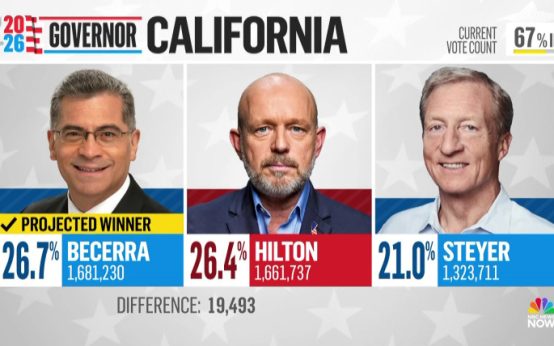 Investigations Launched Amid California Election Fraud Claims
  Khanna Urges Apology from Maine Senate Candidate Over Misconduct Allegations
 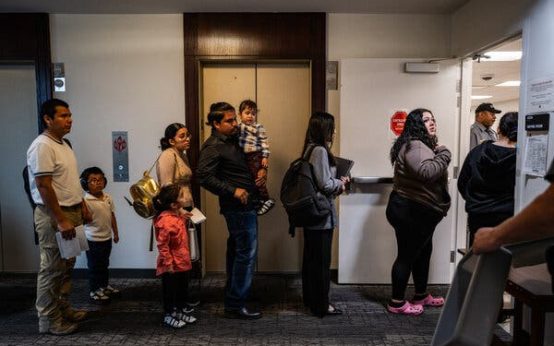 Judge Overturns Trump-Era Immigration Policies
  Trump Aims to Reduce National Intelligence Office Size