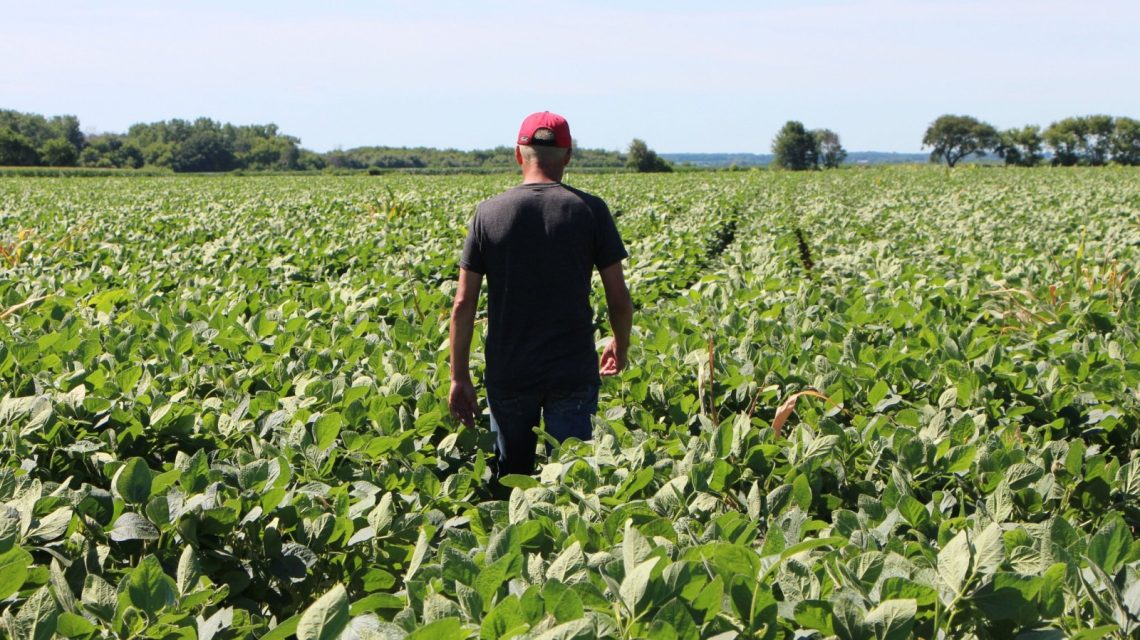
As World Environment Day nears, the food and beverage industry often promotes buzzwords like ‘regenerative’, ‘responsibly sourced’, and ‘carbon neutral’. While these terms can grab headlines, they mask a pressing reality. Our climate is in crisis, and the global food system faces unpredictability. Many who grow our food cannot afford to adapt to these challenges.
Problems in Global Agriculture
Sustainability trends frequently shift, but agriculture remains in precarious conditions. By 2050, coffee regions might lose nearly half of their suitable growing areas. Cocoa farmers, many living below poverty, see their incomes threatened by climate changes. Despite long-standing knowledge of these issues, few companies embrace the fair pricing solutions suggested by smallholder farmers.
Financial stability often underpins environmental protection. Farmers focused on survival might take actions that harm long-term land health, opting instead for quick fixes. A 2020 review in Nature Sustainability found that financial incentives were crucial in promoting sustainable agricultural practices worldwide.
The Need for Fair Pricing
Healthy soil requires healthy farms, which depends on investing in the farmers. Simply pushing whatever agricultural approach is popular doesn’t suffice. Addressing power imbalances and fair pricing can encourage farmers to adopt practices demanding upfront costs or delayed benefits. This can lead to better access to resources, equipment, and training. Sustainable practices can then enhance both profitability and resilience.
Fairtrade’s Model
Fairtrade’s system mandates a minimum price to protect farmers during market slumps. It includes premiums for cooperatives to allocate based on their needs. Premiums have funded new plant distributions after disasters, construction of watering systems, and investments in ecological farming methods.
Programs across Africa, the Pacific, Latin America, and the Caribbean aid technical training and sustainability transitions. For instance, Fairtrade’s Ghana Agroforestry for Impact partnership teaches environmentally friendly methods to cocoa farmers. In Indonesia, a program aids around 100,000 farmers in adopting sustainable practices and gaining better market access.
Practical Support for Farmers
In Fiji, collaboration with the Sugar Research Institute and Fiji Sugar Corporation piloted agricultural lime application. This approach aimed to improve soil health compared to traditional fertilizers. Farmers noted better germination, easier field prep, and higher yields. Such developments rely on farmers voicing their needs and partners acknowledging their expertise.
The food industry needs to transform buzzwords into meaningful actions. Practically, this means enhancing farmers’ financial capabilities to cover basic needs and invest in diversified practices. Resilient farmers can mitigate supply chain risks related to market and climate fluctuations.
Conclusion
Fairtrade is not a cure-all, but it addresses critical needs like stable pricing and bargaining power. Farmers seek fairness, not charity. A multi-sector approach is required. Governments must enforce protections, companies should commit to fair pricing, consumers need to select ethically produced products, and civil society should ensure accountability.
This World Environment Day, the food sector faces a choice. It can continue endorsing trends without substance or recognize the role of farmers in environmental resilience. To preserve our planet, companies must begin by fairly compensating those who protect it.
Amanda Archila serves as Executive Director of Fairtrade America. She leads efforts to increase market access for Fairtrade farmers and workers. Her engagement in the fair trade movement began early and continues with over 15 years of experience in diverse industries.
 Limited Interest in Arctic National Wildlife Refuge Oil Auction
  The Aftermath of Santa Rosa Island’s Fire
  Largest Seizure of Illegal Cockroaches in Australia
  Flesh-Eating Fly Returns to the United States Causing Concern
 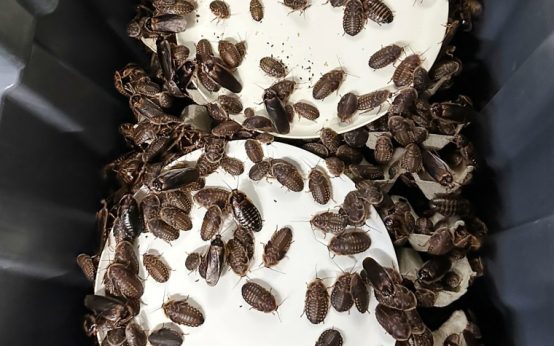 Australia’s Largest Seizure of Exotic Invertebrates: Over 100,000 Cockroaches Confiscated
 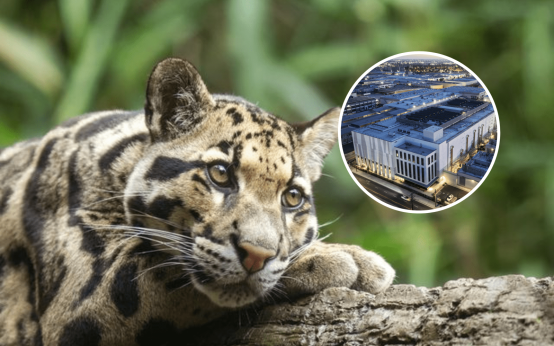 Controversy Surrounds Proposed Nashville Data Center Near Zoo