When I entered prison at age 17 in 1995, the dial-up internet was just emerging. No one I knew used it. By the time I was released in 2010 at age 32, I felt as if I’d traveled from the Flintstones to the Jetsons. The fourth iPhone was common, touchscreens had replaced keyboards, and analog had vanished. Job applications, government services, healthcare access, and daily communication were online, developments I missed during my time away.
Upon my release, I was determined to work hard. I held two full-time positions and one part-time job, serving at a pizza shop, answering phones at a payday loan company, and doing janitorial work at a church. I worked relentlessly, 100 to 140 hours weekly. I believed I was on the right track.
However, my perspective changed when I went to H&R Block to file taxes for the first time. I submitted my W-2 forms and watched as my earnings were calculated. My yearly total was $24,600, shocking me. Despite my efforts, that amount was insufficient to cover living expenses such as rent, a car, food, clothing, and healthcare. Without family support, my situation would have been dire. At that moment, I understood why people become disheartened; even after doing everything right, the numbers didn’t add up, pushing individuals towards alternative, often unfavorable choices.
I realized that my problem wasn’t solely low wages. I lacked the digital literacy essential for the modern economy. Although I worked hard and remained motivated, the absence of digital skills hampered my progress. Not having experienced digital job applications, online benefits, or employer portals left me struggling to keep up. Missing updates was one thing, but I had missed the entire technological foundation.
As I shifted towards reentry advocacy, I often pondered how things might have changed if I’d had access to digital skills during those 15 years. Basic skills like creating resumes, applying for jobs online, establishing an email address, or taking classes could have made a significant difference. Secure digital technology access in prison could mean the difference between a successful reentry into the modern economy and a relapse into former habits.
Leading TimeDone, I meet people facing similar challenges with determination. Despite fulfilling obligations during their incarceration, they encounter barriers unrelated to their effort or character. Reentry must start before release, providing tools, training, connections, and support essential for success. TimeDone offers resource connections, community support, access to savings, mental health services, and genuine connections. My experience drives me to bridge the gap, ensuring these tools exist before individuals leave and support them if they falter thereafter.
My journey through one version of reentry compels me to help those coming home today avoid similar pitfalls.
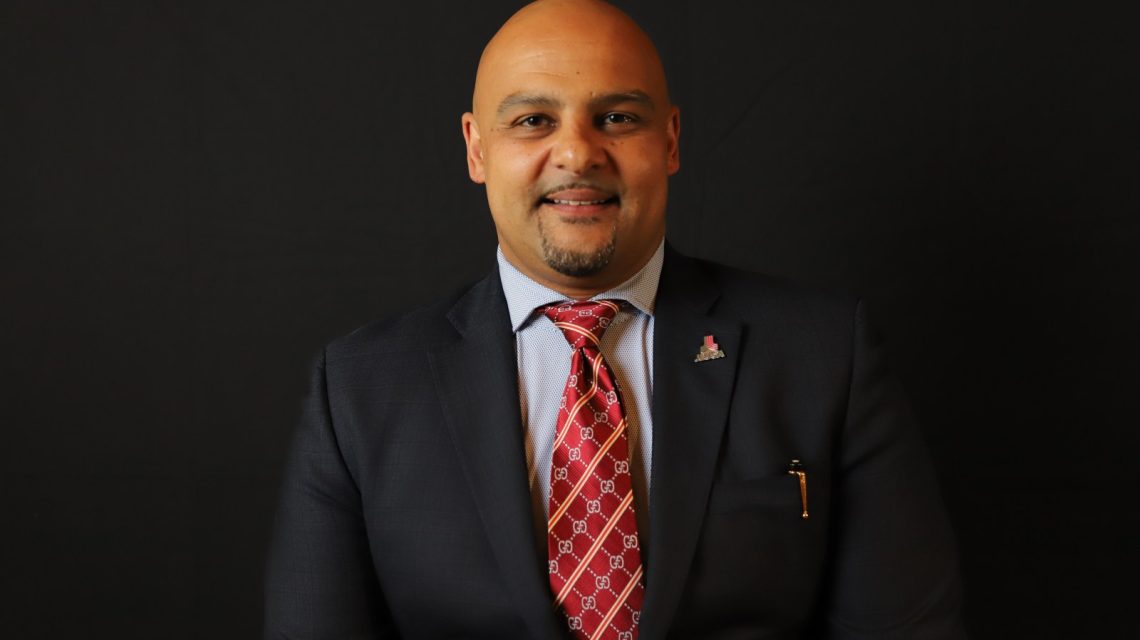
Saad Soliman is the National Director of TimeDone at the Alliance for Safety and Justice. He leads national efforts in policy and systems change for individuals with past convictions. His experience spans the U.S. Department of Justice, federal courts, and national policy roles.
 NASCAR Community Mourns the Loss of Kyle Busch
  Persistence in Investigations: Encouragement and Challenges
  Support Pours in for Airport Worker After Viral Video
  YouTuber Sparks Debate Over Abortion Rights and Down Syndrome
  Significant Events in Chicago on June 5
  Controversy Surrounds Proposed Nashville Data Center Near Zoo