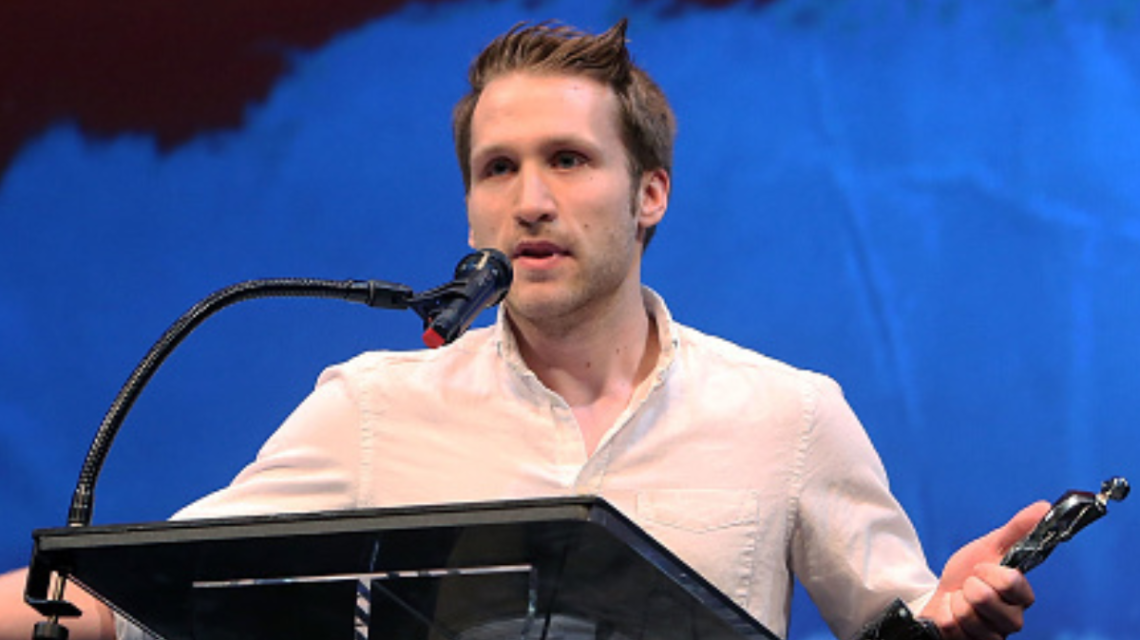
Jesse Ridgway, the YouTuber known as @McJuggerNuggets, has ignited controversy after disclosing that he and his wife, Ashley, decided to terminate a pregnancy following the discovery that their baby had a high probability of having Down syndrome. Ridgway shared the difficult decision on social media, stating the choice was made after learning about Trisomy 21. He emphasized that the decision was not taken lightly and described the experience as extremely traumatic, especially for Ashley.
The social media post has attracted significant attention, with over 17.5 million views. It has brought renewed focus to the contentious issue of abortion rights, disability, and personal choice. Newsweek reached out to Ridgway for further comments.
Understanding Trisomy 21
Trisomy 21, commonly referred to as Down syndrome, is a genetic anomaly resulting from an extra copy of chromosome 21. This condition influences both physical and cognitive development and occurs in about 1 in 700 to 1,000 births worldwide. While individuals with Down syndrome can lead fulfilling lives with proper support, the severity of the condition varies.
Initially, Ridgway felt optimistic, although he lacked a complete understanding of the condition’s implications. He later cited potential health challenges such as heart defects, hearing and vision problems, and a shorter life expectancy, stating, “Down Syndrome isn’t a ‘blessing,’ it is objectively problematic from a health perspective.” The decision was influenced by advice from medical professionals and family members, mentioning that “up to 90 percent of women terminate” after a Trisomy 21 diagnosis, which surprised Ridgway.
He remarked, “We made a difficult decision that we believe will be beneficial for our family.” Ridgway was thankful for the option to choose.
Reactions from Public Figures
The announcement has triggered intense reactions on social media. Conservative voices have been particularly vocal in their criticism. Commentator Matt Walsh condemned the post as “the most evil thing I’ve ever read on this platform,” while journalist Megan Basham labeled it “horrific,” suggesting it implies devaluation of lives with Down syndrome. Abby Johnson, an anti-abortion activist, accused Ridgway of being a “monster” who had “brutally” ended an unborn life. Catholic podcaster Timothy Gordon highlighted his eighth child with Trisomy 21 thriving, urging rejection of Ridgway’s rationale and accusing him of “murder.” Ben Zeisloft, another journalist, called on Ridgway to seek “repentance,” asserting that inconvenience does not justify terminating a Down syndrome pregnancy.
Ridgway’s Response to Criticism
Ridgway expressed shock at the backlash, saying he had “never seen such hate and vitriol” directed at individuals “grieving” and making a “challenging decision.” He cited received insults, comparisons to Hitler, and threats, with personal details being weaponized against the couple. Ridgway critiqued the religious rationale from critics as “hypocritical” and emphasized that their decision was theirs to make. He praised families who continue pregnancies after such diagnoses but maintained, “That is your choice… this was ours.” He shared his experience to highlight “real suffering” and support others facing similar distress.
The Role of Prenatal Screening
Prenatal screening has become commonplace in the U.S., with estimates suggesting that 25 percent to 50 percent of pregnant individuals undergo non-invasive prenatal testing (NIPT). This testing can detect Down syndrome early, often before legal abortion cutoffs. Ridgway’s assertion that most such pregnancies are terminated is supported by research, with one review indicating a termination rate of about 67 percent, ranging from 61 percent to 93 percent. It’s noteworthy that prenatal screening tests aren’t definitive, with possibilities for false positives, contributing to ongoing ethical debates.
Debating the Ethics and Legality
The U.S. debate over abortion following a Down syndrome diagnosis tends to fall into three categories:
- Pro-choice advocates argue that the decision should reside with the pregnant person due to emotional and medical complexities.
- Disability rights activists warn that termination may devalue disabled lives, fueling stigma and limiting support.
- Pro-life proponents contend these abortions are discriminatory, seeking restrictions or bans.
Overturning Roe v. Wade in 2022 led to varied state-by-state abortion laws, creating a patchwork of access and restrictions. Some states permit broad access, including for fetal anomalies, while others impose strict bans, occasionally targeting Down syndrome specifically.
The debate over prenatal testing technology persists, with critics cautioning against false positives and over-optimism in marketing. Supporters argue that prenatal testing allows earlier, informed decision-making, although ethical consensus lags behind technological advancements.
 NASCAR Community Mourns the Loss of Kyle Busch
  YouTuber Shares Difficult Decision After Trisomy 21 Diagnosis
  Persistence in Investigations: Encouragement and Challenges
  The Changing Dynamics of Celebrity Reputation in 2026
  Robbers Sentenced for Theft of Romanian Treasures from Dutch Museum
  Support Pours in for Airport Worker After Viral Video