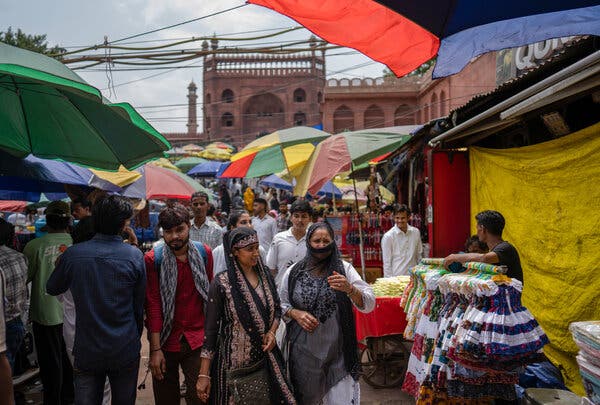
Intense heat waves have struck India since April. This has forced essential workers to make challenging decisions. In New Delhi, vendors use large umbrellas to shade their kiosks at a flea market near Jama Masjid, a significant mosque.
Sunil Rastogi, an auto-rickshaw driver, typically works 12-hour days. He needs to save for heart surgery. Yet, during the summer, he faces a dilemma. Temperatures exceeding 100 degrees compel him to choose. Should he work fewer hours, earning less and delaying surgery? Or should he continue working, risking his health?
“I already feel exhausted,” Mr. Rastogi shared. “The heat makes it worse.”
Millions share Mr. Rastogi’s plight. Wage laborers, construction workers, street vendors, and delivery drivers endure similar pressures. They keep New Delhi operational, yet they face the city’s harshest conditions.
On the hottest days, ground temperatures can reach 140 degrees, as per the Center for Science and Environment, based in New Delhi. Tarmac softens, and barefoot workers risk blisters.
 California Elections: The Ongoing Vote Count and Controversies
  Judge Overturns Trump-Era Immigration Policies
  Mount Sinai Health System Faces Subpoena on Gender-related Care
  Potential Ebola Outbreak in Central Africa Raises Concerns of Rapid Spread
  Lawsuits Against Federal Government Following Pennsylvania Rally Shooting
  Researchers Escorted Out of Diabetes Conference for Criticizing Trump Administration