Sen. Ashley Moody, R-Fla., provides insights into the indictment of former Cuban President Raúl Castro. He faces murder and conspiracy charges related to the 1996 shoot-down of two civilian aircraft, which resulted in the deaths of four American pilots. This topic was featured on ‘Sunday Night in America.’
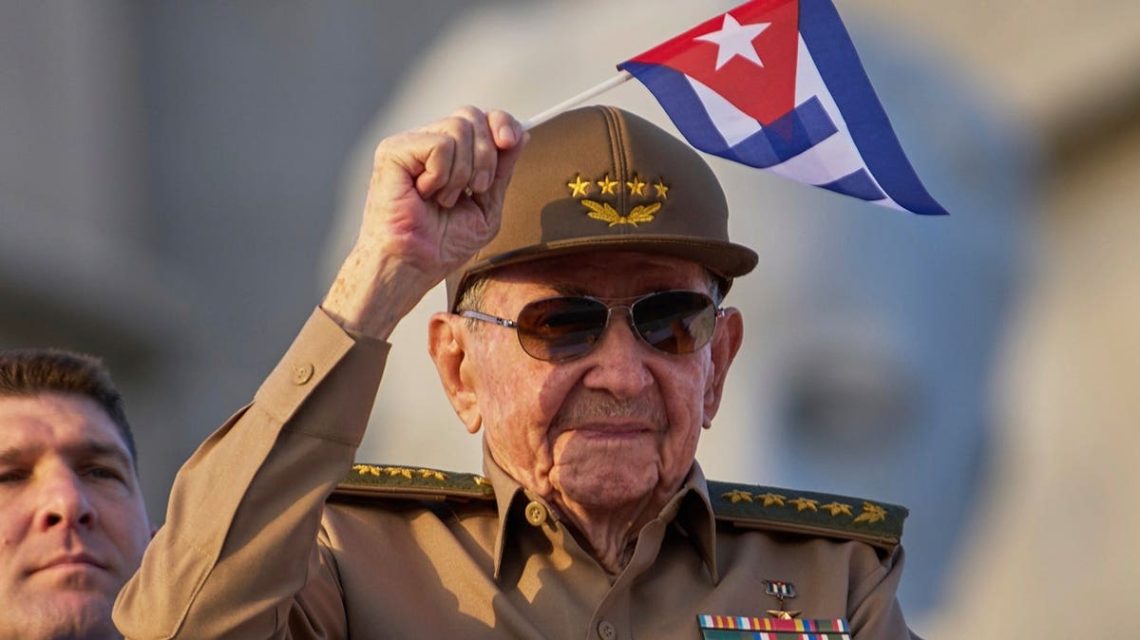
Raúl Castro made his first public appearance since facing charges from the Trump administration. His appearance took place during an Interior Ministry celebration, broadcasted on Cuban state television, as reported by Reuters.
Weeks earlier, the Department of Justice unsealed an indictment charging Castro. It accused him of involvement in the destruction of aircraft operated by the Miami-based exile group Brothers to the Rescue. The charges include conspiracy to kill U.S. nationals, the destruction of aircraft, and four counts of murder.
DOJ and Treasury investigate nonprofits and leaders allegedly coordinating with Cuba in influence campaign.
Raúl Castro was recently seen waving the Cuban flag during May Day celebrations at Revolution Square in Havana. This marked his public presence days before the indictment surfaced, and prior to that, he was last seen in January at a ceremony in Cuba’s capital honoring Cuban soldiers.
The February 1996 incident involved Cuban military planes reportedly shooting down unarmed civilian aircraft from Brothers to the Rescue. The aircraft were claimed to have been outside Cuban territory, leading to the deaths of Carlos Costa, Armando Alejandre Jr., Mario de la Peña, and Pablo Morales.
Raúl Castro and his brother Fidel Castro are known to have attended a parade in Havana, Cuba, in December 1996.
This indictment emerged during heightened tensions in the Caribbean, accompanied by comments from Trump and his surrogates about potential regime change in Cuba.
Obama’s baseball outing with Castro reignites fury after Trump’s DOJ acts against the Cuban leader.
President Donald Trump applauded the indictment, stating that Cuban Americans have long awaited justice because of suffering under Castro’s regime.
Trump announced a national emergency over Cuba and threatened tariffs against nations supplying oil to the communist regime.
In Trump’s words, “We have big news on Cuba, with the indictment of Castro.” He promised no escalation following the charges.
Maduro’s capture signals the ‘beginning of the end’ for Cuba’s regime, according to House Intelligence Chair.
Comparison arose between Castro’s situation and the pressure exerted previously on Venezuelan President Nicolás Maduro, whom the U.S. indicted on narco-terrorism charges while imposing sanctions.
Cuba expert Christine Balling remarked that Castro’s indictment serves as a clear notice signaling the U.S. government’s commitment against the Castro regime.
Contributions to this report came from Fox News Digital and Reuters.
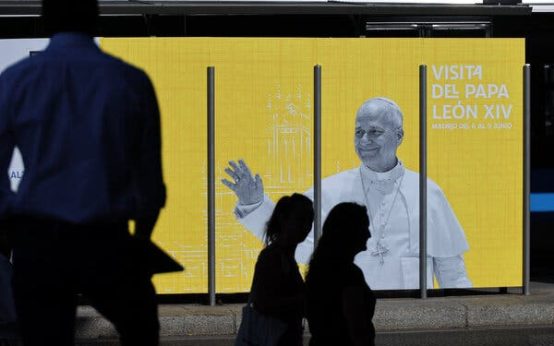 Pope Leo XIV’s Visit to Spain: A Symbol of Change and Unity
 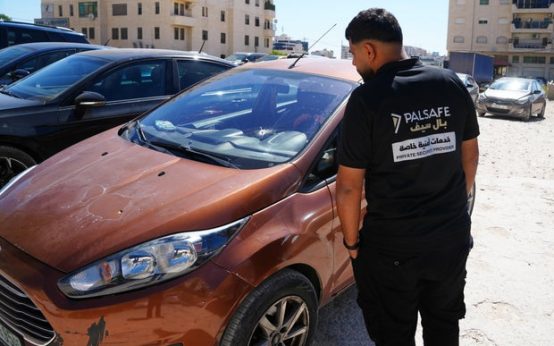 Incident in West Bank Leads to Tragic Death of Palestinian Infant
 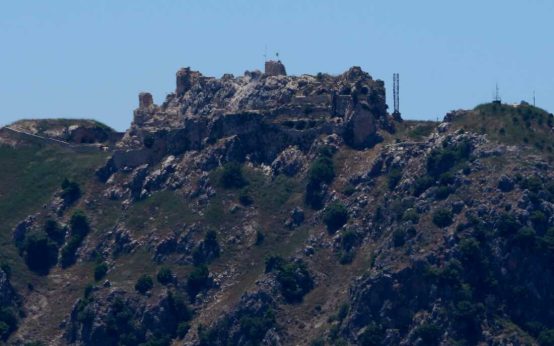 Escalation in Southern Lebanon: Israeli Airstrikes and Rising Tensions
 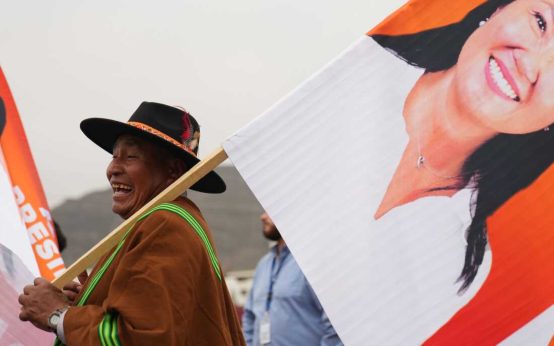 Peru’s Presidential Election: A Tight and Polarized Race
 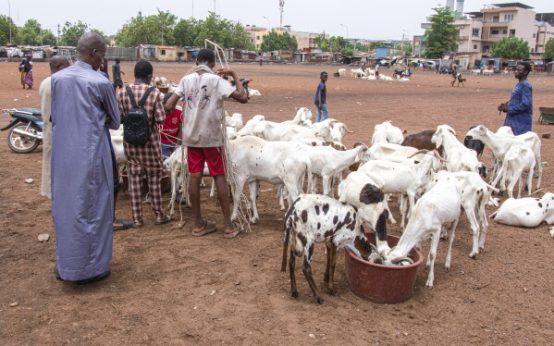 Tragedy in the Sahara: 49 Perish in Desert Stranding
 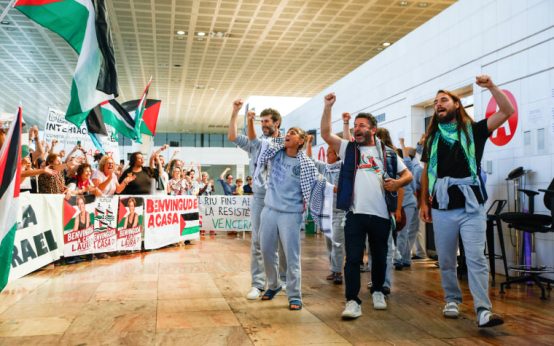 International Outrage Over Alleged Abuse of Activists on Gaza Flotilla