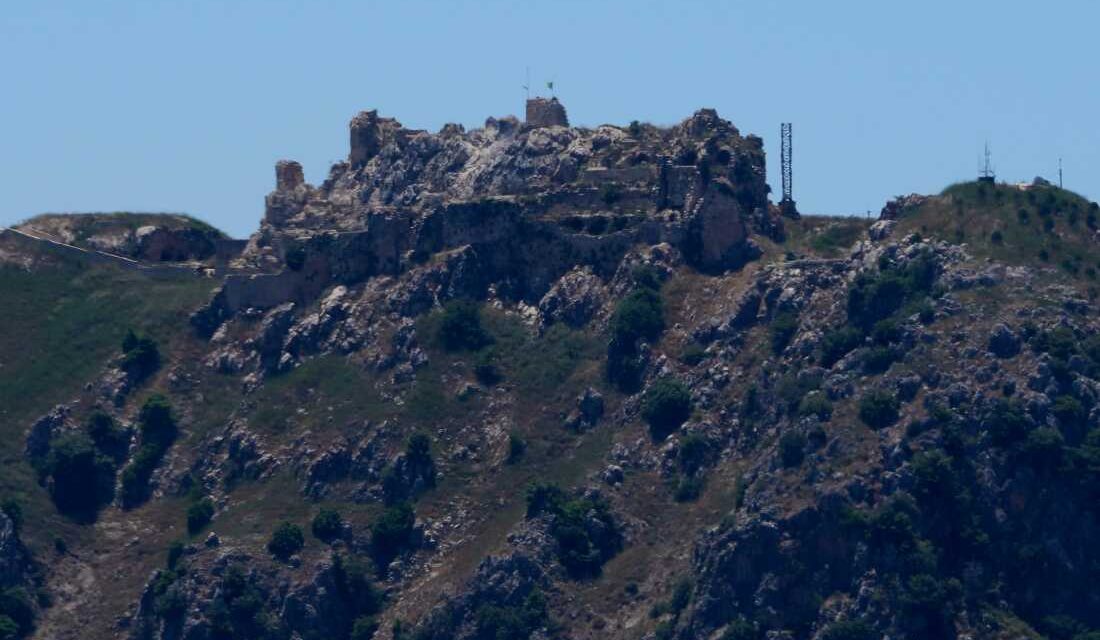
Airstrikes by Israel in southern Lebanon on Saturday resulted in the deaths of nine people, including three Lebanese military personnel, following a recent ceasefire agreement. The Lebanese army and state media reported these casualties.
The airstrikes targeted a vehicle on the road between Nabatiyeh and Marjayoun, killing a brigadier general, a captain, and another soldier. Their identities remain undisclosed. Similarly, another strike on the southern village of Saksakiyah led to six more fatalities and injured four individuals, according to the National News Agency.
The Lebanese army released a statement condemning the strikes as ongoing aggression by Israel. It emphasized the attacks are attempts to undermine efforts to restore stability, achieve a ceasefire, and secure Israeli withdrawal from occupied Lebanese territories.
On the Israeli side, the military acknowledged the strike on the vehicle, currently under review. They asserted the vehicle displayed suspicious movement towards Israeli soldiers near Kfar Tibnit, suggesting potential hostility from Hezbollah in the vicinity. Israel maintains its actions target Hezbollah, not the Lebanese army.
Lebanon’s President, Joseph Aoun, criticized the strike as a violation of Lebanese sovereignty and international law. He labeled it an act escalating instability in southern Lebanon, contradicting diplomatic efforts in Washington to halt Israeli attacks.
The most recent ceasefire was a result of U.S.-mediated discussions between Israel and Lebanon’s government. Lebanon has accused Hezbollah of provoking the conflict and sought to disarm the group prior to the resurgence of hostilities. Nonetheless, Hezbollah opposes the ceasefire.
On Friday, President Aoun and the Prime Minister censured Iran for resisting the ceasefire deal, asserting that Lebanon should not serve as a pawn in Tehran’s negotiations with the United States. Iranian Foreign Minister Abbas Araghchi responded by highlighting that Iran is not the occupier, suggesting the real threat to Lebanon is elsewhere.
The conflict dates back to March 2, when Hezbollah launched rockets at northern Israel, subsequent to joint Israeli-U.S. strikes on Iran. Since then, Israel’s military operations have displaced over a million people and seized around a fifth of Lebanese territory, deepening into Lebanon’s south since the end of Israel’s previous occupation from 1982 to 2000. The conflict has claimed over 3,500 lives in Lebanon, and Israeli casualties include at least 29 soldiers and three civilians.
 Pope Leo XIV’s Visit to Spain: A Symbol of Change and Unity
  Incident in West Bank Leads to Tragic Death of Palestinian Infant
 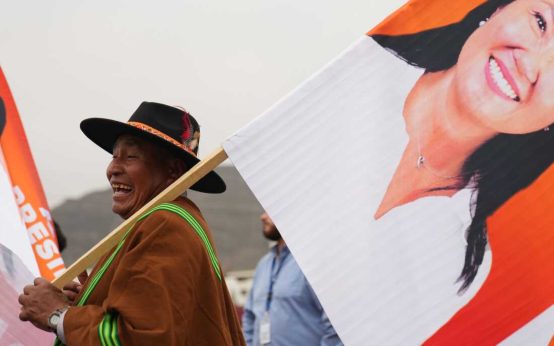 Peru’s Presidential Election: A Tight and Polarized Race
 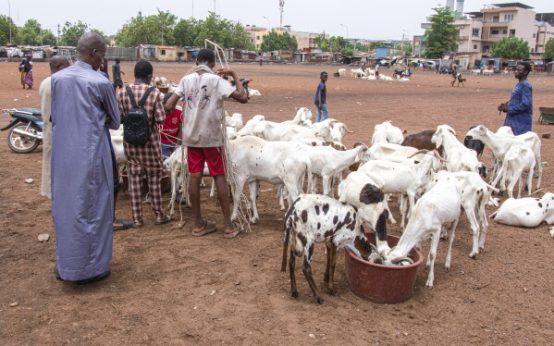 Tragedy in the Sahara: 49 Perish in Desert Stranding
 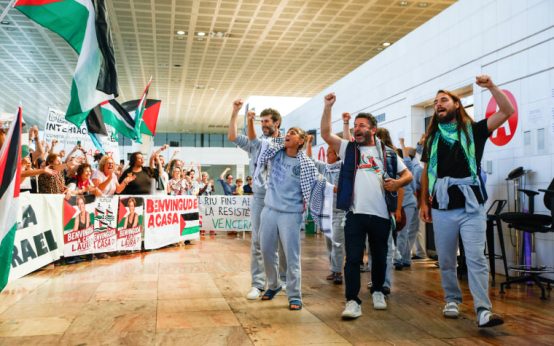 International Outrage Over Alleged Abuse of Activists on Gaza Flotilla
 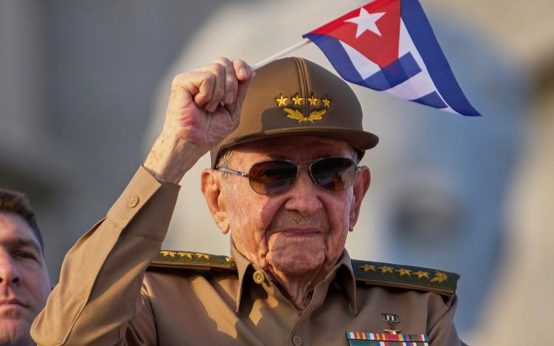 Raúl Castro Charged in 1996 Incident Involving American Pilots