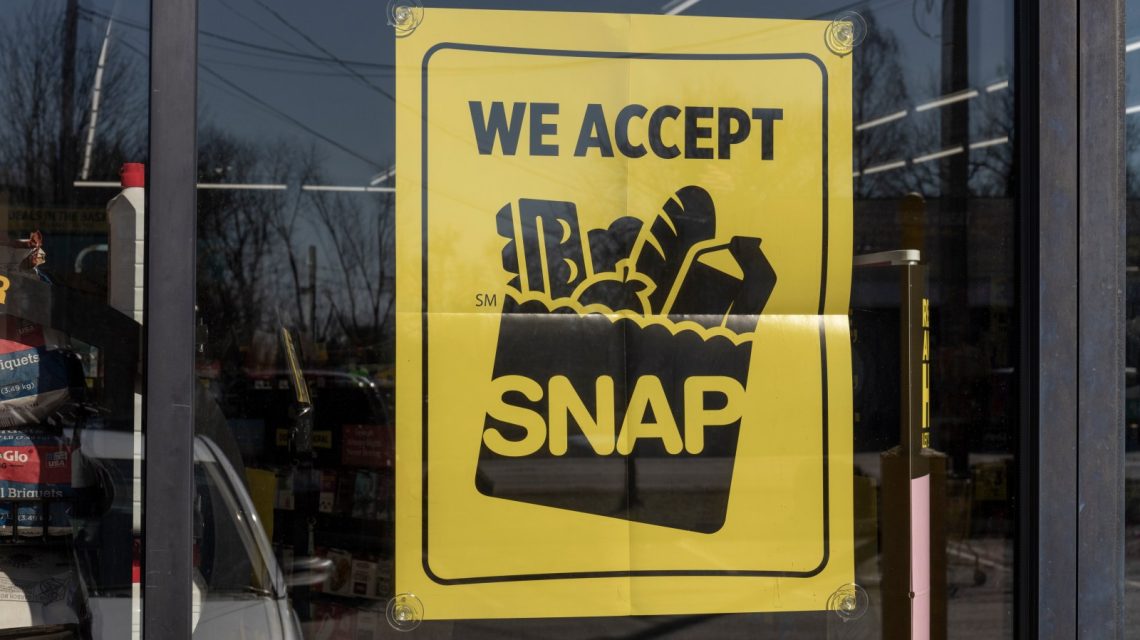
Federal Injunction Against New SNAP Conditions
A federal judge has blocked the Trump administration from imposing new conditions on billions of dollars in Supplemental Nutrition Assistance Program (SNAP) funding. The decision came after 19 Democratic-led states and Washington, D.C. challenged the requirements, arguing they threatened programs assisting low-income families.
U.S. District Judge Myong Joun granted a preliminary injunction against the U.S. Department of Agriculture (USDA) fund stipulations while legal proceedings continue. Despite opposition from government attorneys, who claimed these were intended to enhance oversight of federal funds, the judge opted for an interim measure.
SNAP benefits aid low- and no-income households in purchasing groceries, with approximately 38 million Americans relying on them. This number has decreased since the second Trump administration began in January 2025. Newsweek has reached out to the USDA for comment outside regular working hours.
States Challenge USDA Conditions
The lawsuit initiated in March 2026 by Democratic-led states argued that the USDA imposed unlawful funding requirements approved by Congress. States involved in the lawsuit, which collectively receive over $74 billion annually from the USDA, claimed the new conditions could jeopardize vital programs.
A directive from the USDA last year mandated states to certify adherence to federal “policies” to maintain funding. Known as the “2026 Conditions,” they took effect in late 2025, impacting all USDA programs, grants, cooperative agreements, and mutual interest agreements. Attorneys general contesting the directive described it as vague and potentially obliging states to conform to issues unrelated to agriculture or nutrition, encompassing “gender ideology,” “immigration,” and “fair athletic opportunities” for women and girls.
The states contended the USDA formed unconstitutional and unlawful barriers between federally created programs and the states. These challenges have implications for nutrition support, agricultural research, and vital community food safety measures. They argued that the USDA lacked authority to enact these conditions, which allegedly violated the Constitution’s Spending Clause and bypassed required legal protocols.
Programs like SNAP, school lunch initiatives, and the Special Supplemental Nutrition Program for Women, Infants, and Children (WIC) could face disruptions due to the challenged conditions. Plaintiff states include Massachusetts, California, Illinois, Wisconsin, Colorado, Connecticut, Delaware, the District of Columbia, Hawaii, Maine, Maryland, Michigan, Minnesota, New Jersey, New Mexico, New York, Oregon, Rhode Island, Vermont, Virginia, and Washington.
Government Defends Oversight Policy
Opposition from government attorneys focused on strengthening federal fund oversight through the conditions. Legal filings stated, “these new requirements would help promote responsible stewardship of taxpayer dollars, reinforce USDA’s control and oversight of obligated funds, and ensure grant recipients comply with federal laws, regulations, and policies.”
The administration insists that states comply with federal anti-discrimination laws as funding conditions, arguing similar treatment for other federal policies. Massachusetts Attorney General Andrea Joy Campbell expressed satisfaction, sharing on Bluesky: “When Trump tried to gut billions in USDA funding … we sued. The court just ruled in our favor.”
Similarly, New York Attorney General Letitia James posted on X: “We won a court order protecting billions of dollars in @USDA funding. My office will keep fighting …” These comments reflect ongoing efforts by states to protect funding and challenge federal policy conditions.
 Sen. Josh Hawley Criticizes GOP Senators for Blocking Voter ID Amendment
  Political Tensions Rise as Republicans Challenge Democrats in California
  Revenue Disputes Hunger Strike Claims at Delaney Hall ICE Center
  Controversies Cloud Maine Senate Candidate’s Campaign Ahead of Primary
 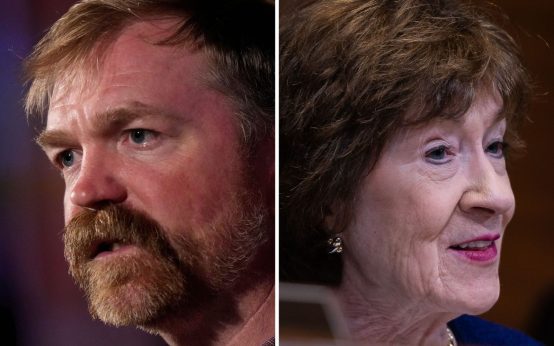 Challenges Loom for Graham Platner in Maine Senate Race
 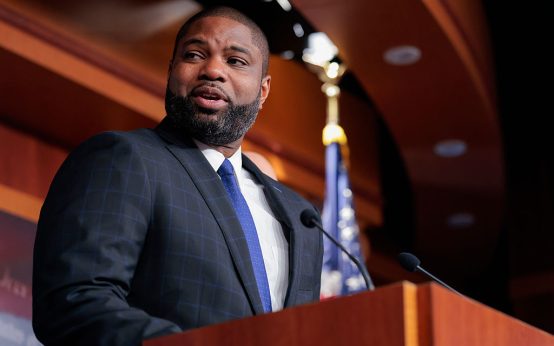 Orange County Mayor Ends Campaign Amid Health Concerns: Impacts on Florida’s Governor Race