
Recent discoveries at an archaeological site in Cyprus indicate that pigeons have been living alongside humans since at least 1400 B.C. This new study raises questions about whether humans intentionally domesticated pigeons or if the birds naturally adapted to human habitats.
Historically, pigeons were not as disregarded as they are today. They have served as sources of food and fertilizer, acted as messengers, and been cherished as companions. The precise time when humans first began interacting with pigeons remains uncertain. However, research published in the journal Antiquity suggests this relationship may date back as far as 1400 B.C., pushing the previous estimates back by around 1,000 years.
The study analyzed pigeon bones unearthed from a Late Bronze Age site in Cyprus. Findings indicate that people might have kept pigeons for ritual feasts. Anderson Carter, the study’s lead author, conducted the research during their graduate studies at the University of Groningen in the Netherlands. Carter noted, “Pigeons have been with humans for a very, very long time. We’ve shaped their whole species, and they’ve shaped many of our stories and histories.”
Cyprus, often linked to Aphrodite, the Greek goddess of love and beauty, is a fitting location for this discovery. Aphrodite, with a notable appreciation for pigeons and doves, is frequently depicted with them by her side.
 Flesh-Eating Fly Returns to the United States Causing Concern
 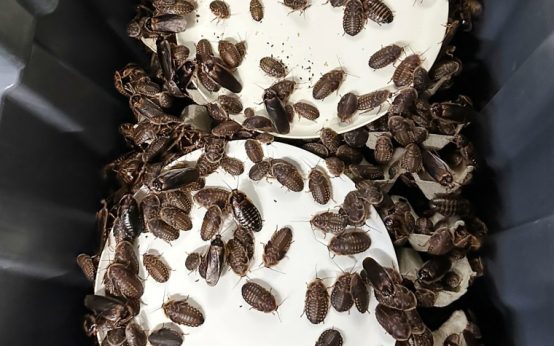 Australia’s Largest Seizure of Exotic Invertebrates: Over 100,000 Cockroaches Confiscated
 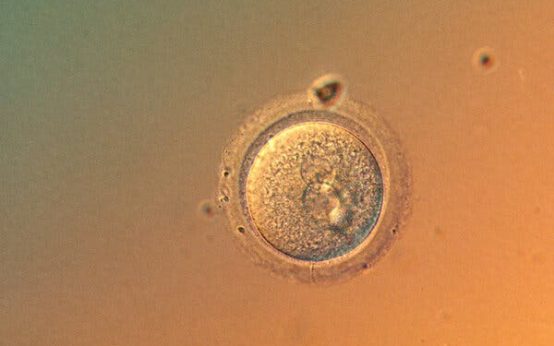 Gene Editing in Human Embryos at Columbia University
  NASA Declares MAVEN Spacecraft Dead After a Decade of Mars Observations
  WHO Reports Reduction in Suspected Ebola Cases in Central Africa
  Ancient Tunnel Discovery Near Jerusalem’s Ramat Rachel