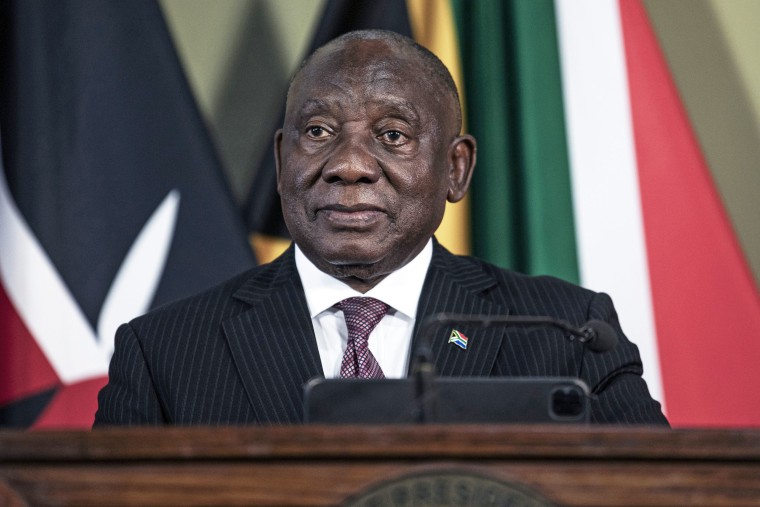
In a national television address, South African President Cyril Ramaphosa pledged to tackle concerns related to illegal migration. This announcement follows growing anti-immigrant protests in the region’s most developed economy. Several nations have claimed their citizens have faced xenophobic attacks in South Africa.
Ramaphosa’s speech acknowledged existing tensions. Anti-migrant groups have set a June 30 deadline for illegal foreign nationals to leave and have requested discussions with the government. South Africa has experienced violence linked to anti-immigrant sentiment in the past. In 2008, over 60 people were killed in attacks that international rights organizations labeled xenophobic.
Recently, groups demanding stricter immigration measures have gained momentum through protests. They argue that illegal foreign nationals worsen the country’s high unemployment rates and pressurize public health and education services.
“Many South Africans are raising difficult but legitimate questions,” Ramaphosa said. “These concerns are real. They deserve to be heard, and they deserve to be addressed.”
The president emphasized that only government officials are authorized to enforce laws. He warned against groups inciting tensions, stating that taking the law into one’s own hands would not be tolerated.
Accurate figures on illegal migrants in South Africa are unavailable, but estimates range from 2 million to 5 million within a population of 62 million. Historically, South Africa has drawn migrants from neighboring Zimbabwe, Mozambique, and Lesotho, as well as Nigeria, Ghana, Malawi, and Ethiopia. This migration has continued for several decades.
Recently, Ghana, Nigeria, Kenya, and Mozambique reported threats and violence against their citizens in South Africa due to their foreign status. Ghana has repatriated around 300 citizens last month and plans more repatriations. Mozambique reported that five of its citizens died in xenophobic attacks in Mossel Bay.
South Africa’s coalition government has prioritized immigration issues since 2024. Over the last two years, they deported over 100,000 people unlawfully in the country. Ramaphosa revealed that around 450,000 individuals lacking documents were stopped at the border last year.
Ramaphosa admitted to past weaknesses in managing migration and outlined plans for decisive action. However, he urged people to avoid turning against each other over immigration issues.
 World Cup Day 5: Underdogs Shine, Superstars Dazzle
 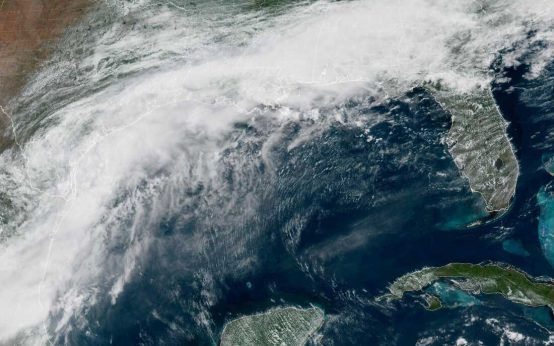 Storm System Near Gulf Coast Threatens Flooding
 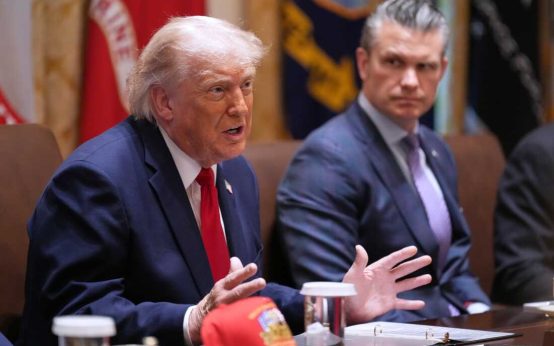 U.S. Military Attacks on Alleged Drug Smugglers in Eastern Pacific Amidst Criticism
 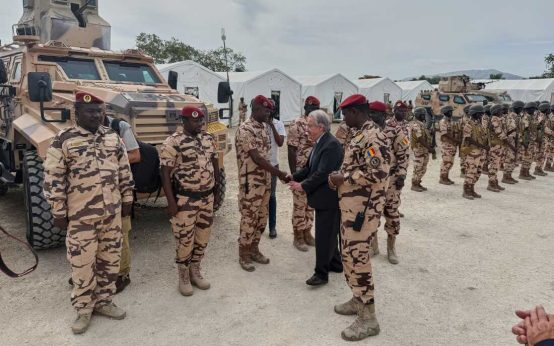 UN Secretary-General Guterres Addresses Crisis in Haiti
  World Cup Soccer and Its Influence on Community and Politics
  Norway Triumphs Over Iraq with Haaland’s Double Strikes