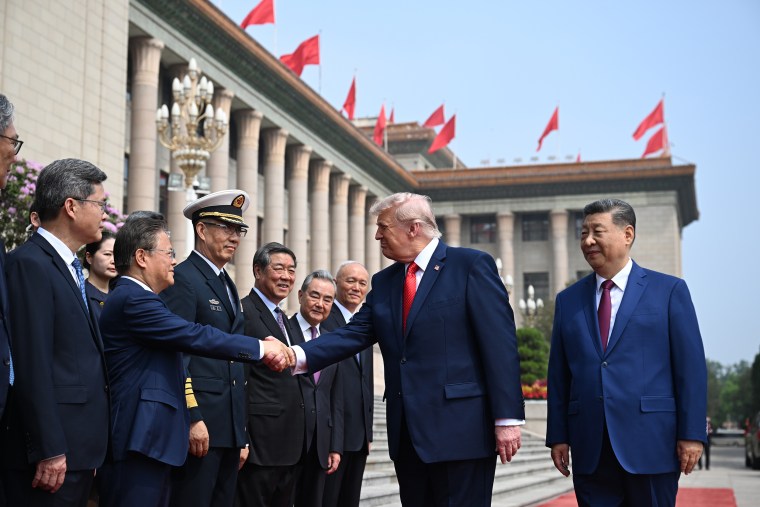
President Donald Trump’s visit to China highlighted complex US-China relations. High stakes and moderate agreements marked the visit with Chinese leader Xi Jinping. While progress was made, challenges remain.
The White House announced details from the visit, including China’s promise to purchase at least $17 billion annually in US agricultural products until 2028. Additionally, China placed an order for airplanes from Boeing, disappointing market expectations. The country will also resume imports of US poultry and beef from states free of bird flu, adding to previous soybean commitments.
Both countries aim to establish channels for trade and investment discussions. China will address US concerns about export controls on essential minerals for technology and weapon production. Beijing has yet to confirm these points.
No significant advancements occurred on critical issues like Taiwan and the war in Iran during the talks, though potential remains for future conflict on Taiwan, a self-governing democracy backed by the US. President Trump hinted at using a proposed $14 billion arms deal for Taiwan as leverage.
The future relationship between the two largest global economies intends to be constructive, according to a new label discussed during the summit. Zichen Wang, a research fellow, suggests China is eager for a beneficial relationship with the US.
Analyst Zichen Wang stated, “China wants a positive relationship with the United States, and it wants a positive description of that relationship.”
Trade and Investment
China’s commitments include purchasing 200 Boeing planes, fewer than expected, affecting Boeing’s stock value. China also maintained its access to US jet engines and airplane parts.
The US-China agreement centers on creating a board of trade and a board of investment. The trade board might allow tariff reductions for certain goods, while the investment board serves as a discussion platform for investment matters.
Despite these developments, Wang expressed skepticism about Chinese investments in the US due to national security debates, such as a failed factory proposal from Nongfu Spring in New Hampshire.
Taiwan and Iran
Discussions on Taiwan and Iran revealed differing priorities. US briefs omitted Taiwan, while Chinese communications excluded Iran, noting only discussions on international issues, including the Middle East.
Xi warned Trump on Taiwan, emphasizing potential conflict risks. Trump’s comments suggested a desire for China and Taiwan to ease tensions, referencing the longstanding US policy against Beijing consultation on Taiwan arms sales.
On Iran, both nations oppose Tehran’s Strait of Hormuz activities, sharing concerns about shipping tolls and nuclear ambitions. Secretary of State Marco Rubio confirmed Trump did not request assistance from Xi, though Trump mentioned Xi’s offer to help.
Xi’s Upcoming US Visit
President Xi’s planned visit to Washington this fall signifies continued discussions. Both nations confirmed the visit, indicating potential stability in bilateral engagements.
Wang cautioned about future challenges, including cyber issues and technology restrictions. Possible US actions in the Western Hemisphere, such as Venezuela or Cuba interventions, may also affect relations.
Ja Ian Chong, a professor at the National University of Singapore, noted a shift in power dynamics, suggesting Xi sought international parity, while Trump appeared more reliant on Xi’s cooperation.
Overall, the groundwork laid during Trump’s visit to China fosters ongoing dialogue, vital for the bilateral relationship’s evolution.
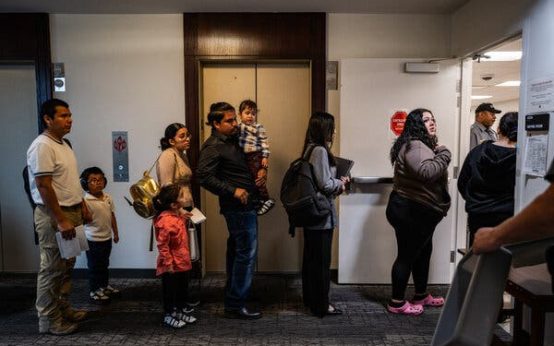 Judge Overturns Trump-Era Immigration Policies
 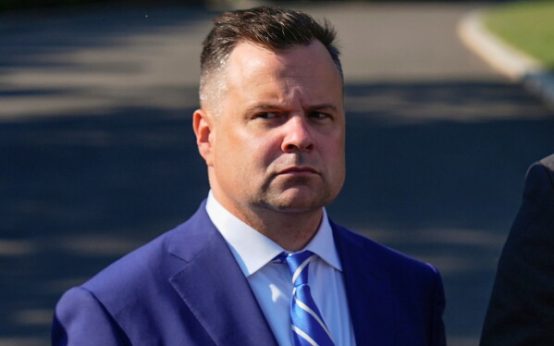 Trump Aims to Reduce National Intelligence Office Size
  California Primary Election 2026: Key Races and Emerging Results
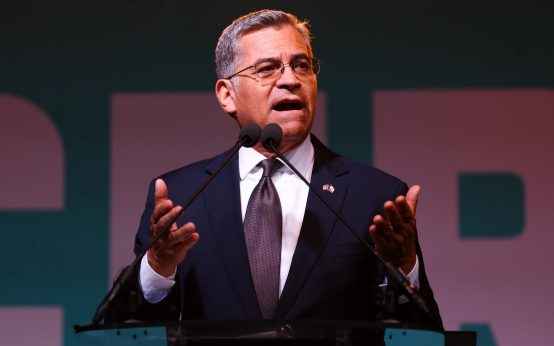
  Xavier Becerra Advances in California Governor Race
  Protests Erupt in Albania Over Resort Development
  Trump Criticizes Senator Tillis Amid Nomination Discussions