
In Port-au-Prince, Haiti, on Tuesday, UN Secretary-General António Guterres addressed the growing crisis of gang violence that has left over 10% of the population homeless. UN data indicates that 2,300 individuals have died in Haiti this year, with 100 kidnapped and 1.5 million displaced. This includes James Boyard, the Defense Ministry’s cabinet director, who was abducted recently.
Guterres’s visit follows a violent weekend in Cité Soleil, a seaside slum, where over 30 people either died, sustained injuries, or went missing, according to the Cooperative for Peace and Development. His journey took him through neighborhoods scarred by gang activity. A bus, riddled with bullet holes, passed by graffiti demanding action against the gang federation Viv Ansanm, which controls 70% of the capital and is deemed a foreign terrorist organization by the U.S.
Guterres saw firsthand the conditions faced by around 300,000 people displaced by gang violence in Port-au-Prince, with 18,000 fleeing Cité Soleil alone. Gregoire Goodstein, IOM Chief of Mission in Haiti, stated the displacement crisis is reaching a critical stage.
Efforts to Address the Crisis
The Secretary-General visited the headquarters of a new gang-suppression force endorsed by the UN Security Council. This initiative replaces an earlier mission spearheaded by Kenyan police. Troops from Jamaica, Chad, El Salvador, and Guatemala, totaling fewer than 1,000, will collaborate with Haiti’s National Police and the armed forces to address the security issues.
During a closed-door meeting, Guterres discussed with Prime Minister Alix Didier-Fils-Aimé the need for security to facilitate elections in a nation without a president since Jovenel Moïse’s assassination in 2021. Fils-Aimé emphasized the importance of security in returning to a republican form of government and urged support from countries backing the gang-suppression force.
Challenges Faced by Displaced Residents
Guterres visited a former school shelter housing displaced individuals forced out by gang violence. Residents expressed concerns about privacy and safety, especially for young children. Clifford Lala, a 31-year-old resident, noted the dangers preventing a return to their community. Guterres reassured the shelter’s occupants of efforts to improve their situation.
Human Rights Watch urged Guterres to focus on protecting residents and addressing the primary causes of violence. Reflecting on his experience, Guterres acknowledged the deep impact of the crisis, particularly on women and children.
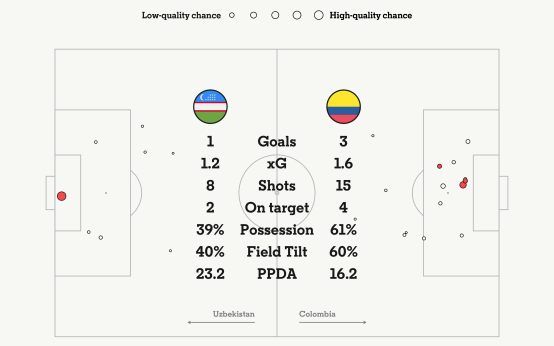 Colombia’s Tactical Play Secures Victory Over Uzbekistan
 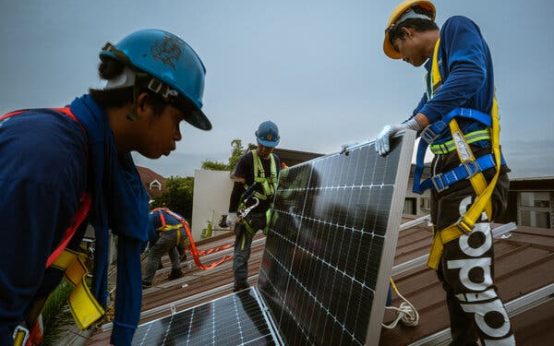 Southeast Asia Turns to Solar Energy Amid Energy Crisis
  Airbnb Offers Free FIFA World Cup Tickets with Select Rentals
 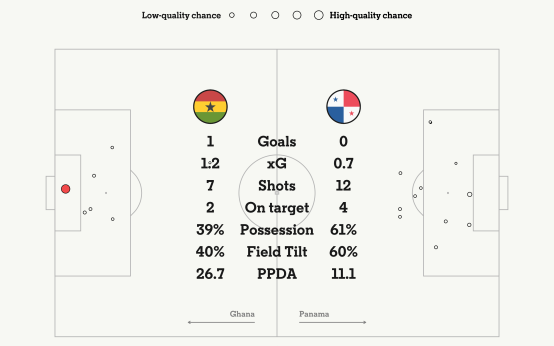 Ghana Secures Late Win Against Panama Amid Rainy Conditions
  Trump’s Approach to Iran: Expectations Versus Reality
  Uzbekistan Begins World Cup Journey Against Colombia at Estadio Azteca