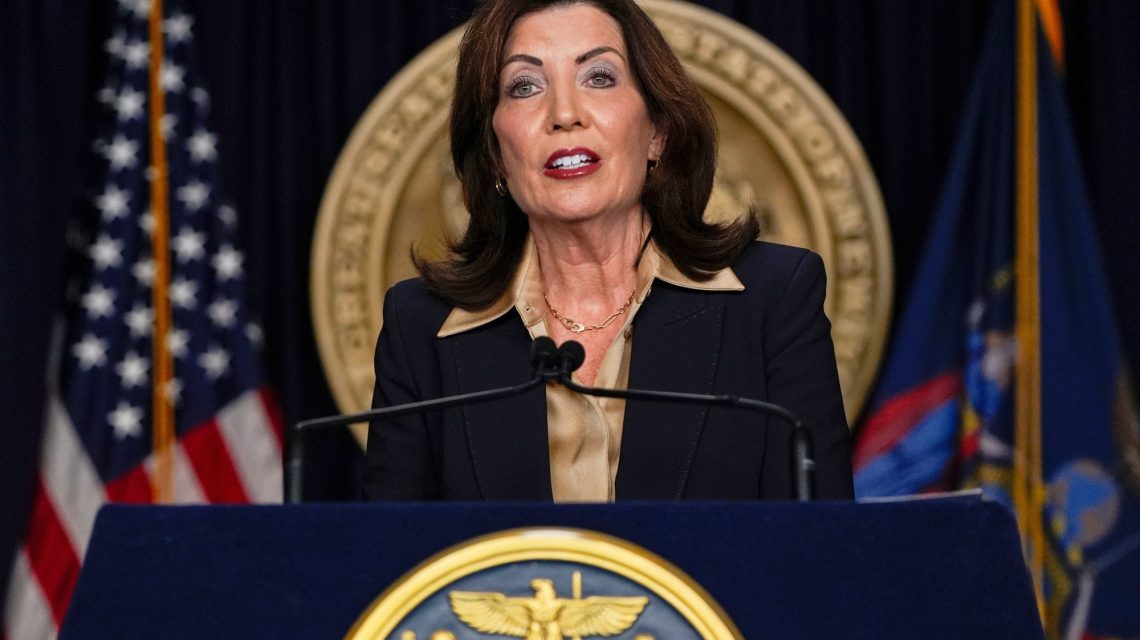
Any advertisements in New York featuring AI-generated individuals must now clearly label the use of a “synthetic performer” to comply with state law. This new regulation was signed by Governor Kathy Hochul in December and became effective on Tuesday. The measure aims to increase transparency at a time when AI-generated performers are appearing broadly in media, including social media and digital advertising.
Synthetic performers, as defined by the state, are “digitally-created media that appear as a real person.” The law applies to advertisements in any form and requires a “simple, honest disclosure.” Hochul remarked that New York is setting regulations to manage AI rather than allowing it unchecked control. She emphasized that this disclosure protects consumers, values creative professionals, and ensures New York remains at the cutting edge of responsible technological advancement.
Advertisements failing to “conspicuously disclose” the use of synthetic performers face a $1,000 penalty for initial violations, increasing to $5,000 for any subsequent breaches. Certain exemptions to the law apply, such as advertisements for movies, TV shows, streaming content, video games, and complete works featuring synthetic performers. Furthermore, the law does not concern audio ads or those using AI for language translation only.
Last year, during the legislation’s progression through the state legislature, organizations such as the American Association of Advertising Agencies (4As) strongly opposed the law. They argued it would complicate compliance, burden brands and agencies advertising in New York, and stifle creative and technological innovation. The New York State Broadcasters Association, while relieved by the exemptions resulting from amendments, continued to express concern over the broad definition of synthetic performers. David Donovan, the organization’s president, stated that local broadcast stations are prepared to adhere to the new law.
SAG-AFTRA, the actors’ union, was a prominent supporter of the legislation. The union recently ratified a new contract with studios and streaming services, which they claim provides added protections against synthetic performers. This law is part of a broader movement across several U.S. states aiming to bolster job security for human workers and address privacy and safety concerns linked to AI.
Some state laws already passed address issues such as prohibiting deepfakes in certain contexts, limiting the collection of personal information, and demanding greater transparency from companies. Just after Governor Hochul signed the synthetic performers law, President Donald Trump issued an executive order urging states not to regulate AI. The concern was that varying state regulations might hinder AI companies’ growth and allow China to potentially overtake the U.S. in AI development. Critics, however, argue that the executive order permits tech companies to operate with minimal oversight.
 Joe Rogan Criticizes Trump’s Handling of Iran Conflict and Epstein Files
  Preservation Groups Challenge Statuary Garden Project
  Historic UFC Event at the White House Leaves a Lasting Impression
 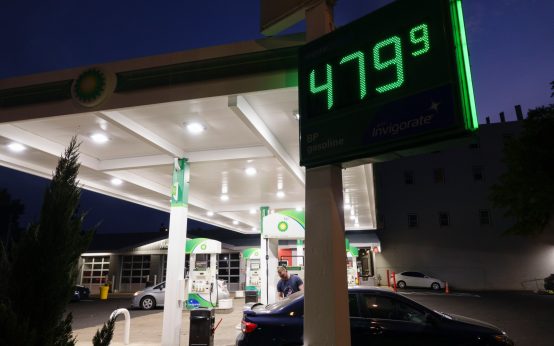 Potential Impact of Inflation on Social Security Benefits Due to Iran Conflict
  Putin’s Obsession and Psychological Projection
  Beware of Text Job Scams: Protect Yourself from Financial Fraud