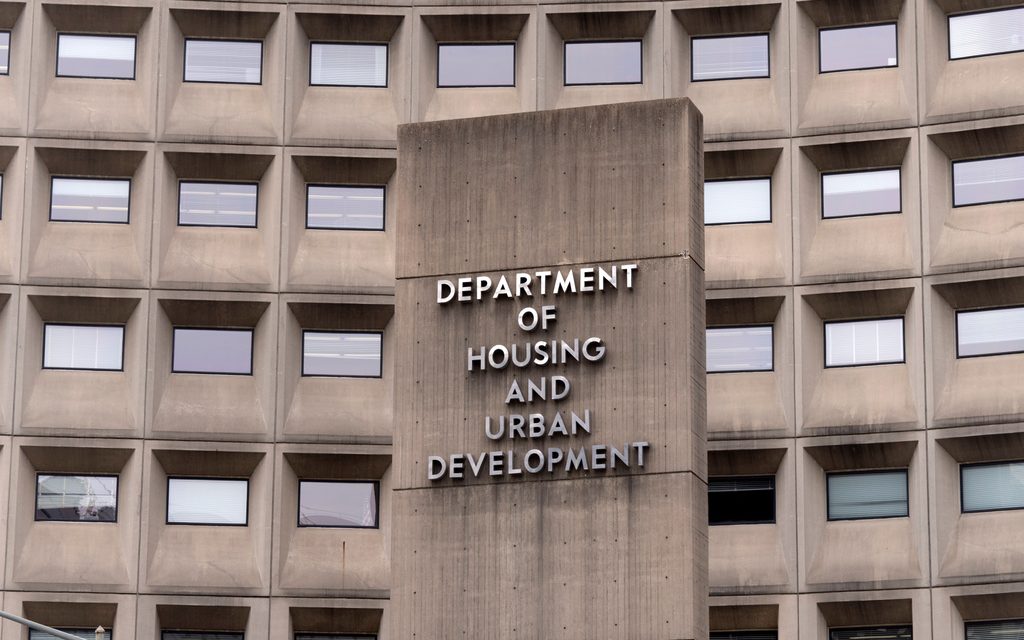
For over twenty years, I’ve been involved in Housing First and contributed to a book about its development and integration into federal policy. I’ve observed the escalation of homelessness into today’s crisis and helped create estimates used by the Department of Housing and Urban Development (HUD) to suggest Housing First’s inadequacies.
The statistics presented highlight the crisis visible to Americans, yet the diagnosis from HUD Secretary Scott Turner’s recent op-ed appears incomplete. The administration acknowledges that individuals experiencing homelessness need more than mere accommodation.
Stable Housing and Comprehensive Support
While stable housing is vital, access to mental health care, substance use treatment, and supportive systems is equally crucial for rehabilitation. Most people recognize this. However, serious evaluations must also address the lack of affordable housing, a point Turner omitted.
HUD data shows that federal housing aid reaches fewer than 25% of eligible households, leaving millions awaiting rental assistance. These figures result from political decisions preceding Housing First by years. Past congressional funding for public housing construction has evaporated, with numbers declining from 55,000 units in 1979 to zero within five years.
Federal housing support has decreased from 2.2% of the entire federal budget in 1980 to 0.8% today. Such trends reveal congressional budget choices that transcend various administrations.
The Need for Interagency Collaboration
Blaming rising homelessness on service models overestimates their capabilities amidst a housing supply deficit. Housing remains unavailable if affordable options are non-existent. Addiction and severe mental illness necessitate clinical interventions; without proper treatment, enhanced interagency coordination, not a revamp of housing policy, seems essential.
Agencies like the Centers for Medicare and Medicaid Services and the Substance Abuse and Mental Health Services Administration are better equipped for these tasks. HUD ought to collaborate with them effectively.
Successful Models and Their Implications
The collaboration between HUD and the Department of Veterans Affairs, combining housing vouchers with VA services, contributed to a 56% reduction in veteran homelessness since 2010. While homelessness generally surged, veteran numbers continued to decline, demonstrating the effectiveness of combining housing with clinical frameworks.
Faith-based groups have long been integral in building communities, ensuring accountability, and supporting recovery. Ideal programs integrate faith communities, clinical experts, and housing solutions. Expanding this partnership within a holistic approach is crucial, rather than using it as a replacement for stable lodging.
Upcoming Policy Adjustments and Research Considerations
In 2026, the Continuum of Care Program’s funding opportunity emphasizes transitional housing and treatment-compliance. Yet, randomized trials in the U.S. and Canada show inferior housing results with these methods compared to Housing First. Any shift in federal policy should engage the public and research thoroughly.
We aim for all individuals to recover, live independently, and rebuild their lives. Evidence supports a well-funded Housing First strategy, paired with the clinical and social care that aligns with it, along with persistent federal investment in affordable housing.
Benjamin Henwood, Ph.D., is a professor at the USC Suzanne Dworak-Peck School of Social Work, director of the Homelessness Policy Research Institute, and co-author of “Housing First: Ending Homelessness, Transforming Systems and Changing Lives.” He has been the methodological lead for the Greater Los Angeles Homeless Count since 2017.
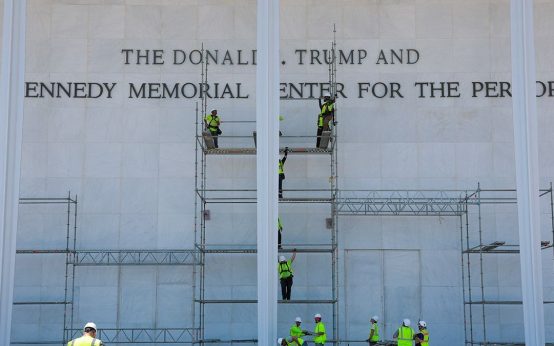 Trump’s Name Removed from Kennedy Center After Court Ruling
 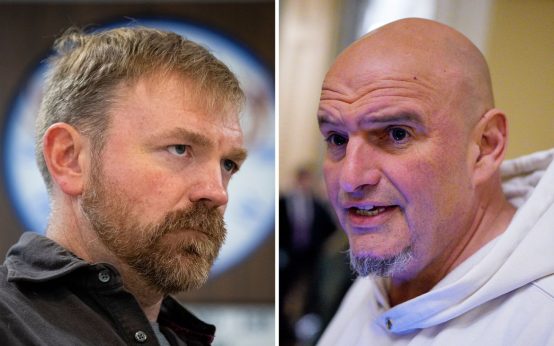 Democratic Tensions Flare as Fetterman and Platner Clash
  New Legislation Targets 3D Printing of Firearms
 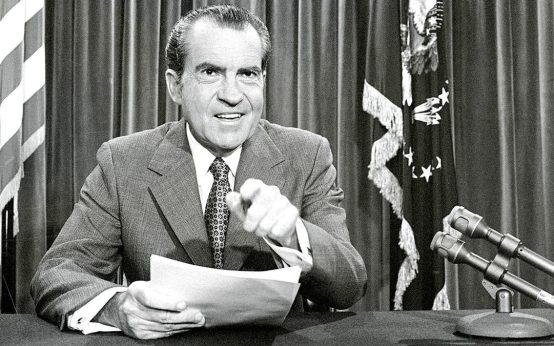 Former General Likens Trump’s Iran Strategy to Nixon’s Vietnam Bombing Campaign
  Removal of Trump’s Name from Kennedy Center Marks Judicial Enforcement
  Federal Judge Blocks Trump Administration’s National Park Changes