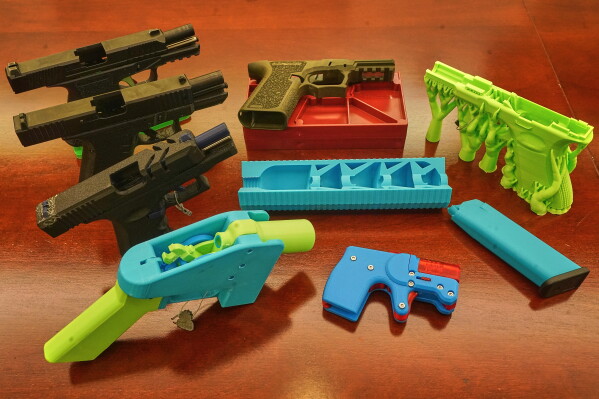
New York has introduced an unprecedented law requiring 3D printers for home and business use to include technology that prevents the production of firearms parts. California is considering a similar measure. These efforts aim to stop the spread of untraceable “ghost guns” increasingly linked to crimes.
Already, about one-third of U.S. states have acted to ban or regulate firearms without serial numbers, avoiding federal background checks. This new legislation focuses on regulating the 3D printers used to make these firearms, rather than those who produce them. If successfully implemented, this tech requirement could set industry standards for 3D printers and potentially serve as a blueprint for other states.
Since 2012, the number of 3D printers has skyrocketed from an estimated 30,000 to over 3 million globally. The industry’s value has increased from $2 billion to $26 billion annually, according to Bill Decker, Executive Chairman of the Association of 3D Printing. While high-end models are costly, entry-level printers are now available for several hundred dollars. These printers can create diverse items ranging from toys and prosthetic limbs to airplane components and firearm parts using online designs.
Firearms made with 3D printers are increasingly found at crime scenes. A Department of Justice report noted a rise in privately made guns submitted to federal authorities from 1,600 in 2017 to nearly 27,500 in 2023. A notorious New York case involved a 3D-printed gun used in a high-profile murder.
“Geometric search is mature, it’s deployed, it is ready to be applied to this problem,” said Julian Chultarsky from Physna.
The New York legislation, recently signed into law, and California’s potential law would require expert panels to establish detection standards for firearm designs. This technology will analyze 3D printing submissions against a digital library of firearm parts, rejecting matches. Implementation is projected for 2029 or later if deemed feasible.
Despite the legislation, the Association of 3D Printing doubts its effectiveness, citing potential circumvention methods by criminals. A more aggressive blocking technology may mistakenly reject innocuous items, according to Rory Mir of the Electronic Frontier Foundation, posing risks to privacy and free expression.
Gun safety advocates argue 3D printers enable those unable to legally buy guns to make them, including minors and felons. Eleven states have banned 3D-printed guns, while six require serial numbers. Everytown for Gun Safety views 3D printing as a key battleground against ghost guns as it could enforce existing laws more effectively.
The NRA, however, opposes these measures, claiming the tradition of homemade firearms aligns with American history and constitutional rights. “These measures only restrict responsible Americans,” said John Commerford of the NRA Institute for Legislative Action.
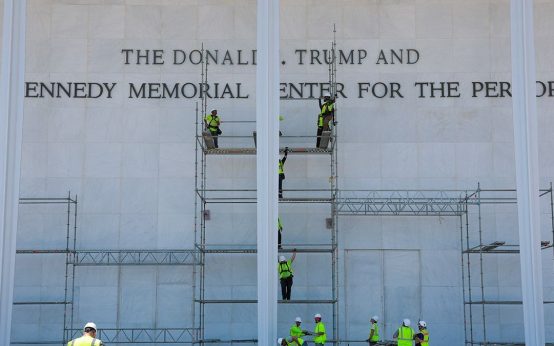 Trump’s Name Removed from Kennedy Center After Court Ruling
  Democratic Tensions Flare as Fetterman and Platner Clash
 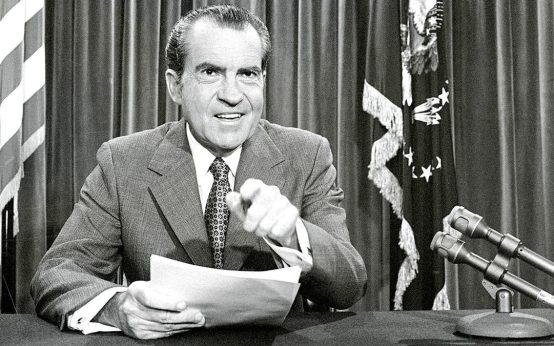 Former General Likens Trump’s Iran Strategy to Nixon’s Vietnam Bombing Campaign
 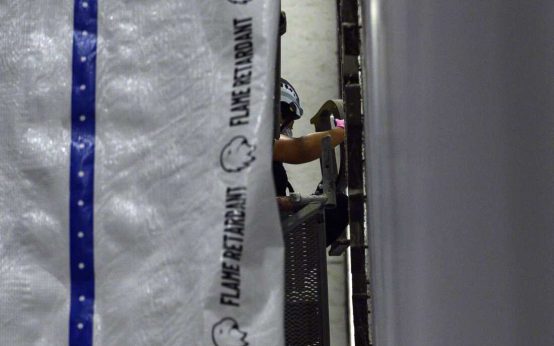 Removal of Trump’s Name from Kennedy Center Marks Judicial Enforcement
 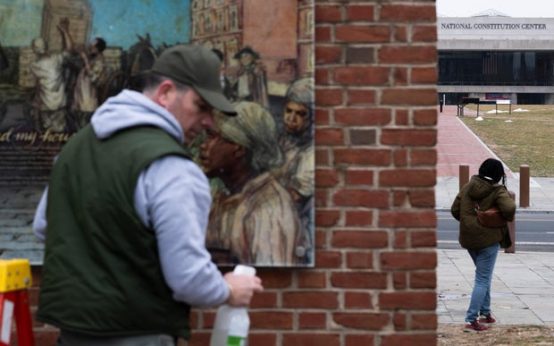 Federal Judge Blocks Trump Administration’s National Park Changes
 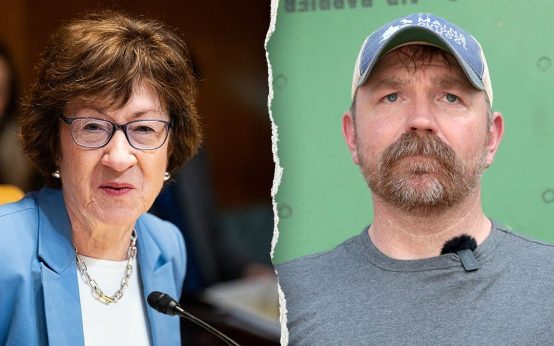 Sen. Susan Collins Reflects on Her Political Journey and Election Challenges