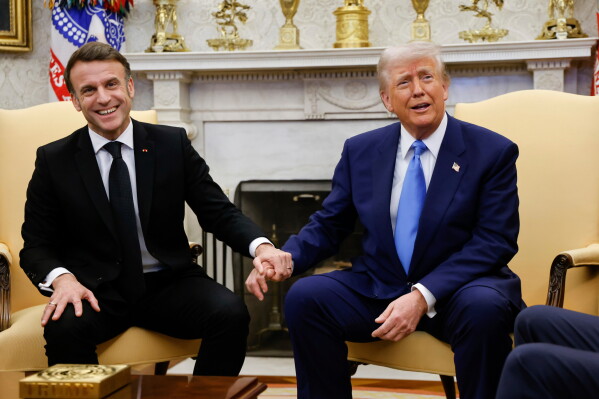
The drive for a resolution to the Iran war gained traction on Saturday, with Pakistan as a crucial mediator. Pakistani officials indicated that an agreement was closer than ever. Iranian statements also reflected a hopeful outlook for a deal.
U.S. President Donald Trump announced on social media that the deal was planned to be signed the next day, with the Strait of Hormuz set to open promptly. However, Iran’s foreign ministry spokesperson, Esmail Baghaei, stated that while it might not happen immediately, a resolution could materialize in the coming days. Electronic signatures were expected to finalize the agreement.
President Trump planned to discuss the demining of the Strait of Hormuz during the Group of Seven summit starting Monday. Additionally, Iran’s state television announced July ceremonies honoring former Supreme Leader Ayatollah Ali Khamenei, killed during the war’s outset.
A senior U.S. official noted under anonymity that Trump would meet leaders of Egypt, Qatar, and the United Arab Emirates at the G7 summit to discuss war resolution efforts. G7 participants Britain and France showed interest in aiding demining operations once peace is established.
Since shortly after the war’s initiation, Iran has maintained control over the Strait, effectively halting oil and gas exports from the Persian Gulf. The U.S. has retaliated by blockading Iranian ports. A ceasefire has tenuously held since April 7.
On Saturday, Pakistani Prime Minister Shehbaz Sharif expressed confidence that a deal ending the conflict would be finalized within 24 hours. Pakistan’s foreign ministry scheduled an electronic signing for Sunday, though details remained sparse. Sharif assured his Qatari counterpart that a peace agreement was imminent.
Despite Iran’s optimism, it emphasized the need for more time. Baghaei commented that while finalizing the memorandum of understanding soon was likely, previous U.S.-Iran negotiations ended in hostilities. The memorandum focuses solely on ending the war, excluding nuclear discussions.
The nuclear issue, particularly Iran’s enriched uranium, remains a pivotal concern for the U.S. and Israel. Trump asserted on social media that once peace prevailed, the U.S. would handle the uranium matter decisively in Iran or domestically.
The recent diplomatic progress followed renewed conflict involving exchanges of fire between Iran, the U.S., and Israel, threatening to destabilize the truce. Iran’s Foreign Minister Abbas Araghchi, via social media, noted the proximity of an agreement, aligning with Trump’s hopeful remarks about impending peace.
Ayatollah Ali Khamenei’s funeral will occur during the Shiite Muslim mourning period of Muharram, between July 4 and 9. He will be buried at the Imam Reza Shrine in Mashhad. Khamenei’s tenure saw significant expansion of the clerical class and the Revolutionary Guard’s influence. His son, Mojtaba, is set to succeed him.
 Peruvian Police Use World Cup Mascots to Arrest Suspected Drug Dealer
 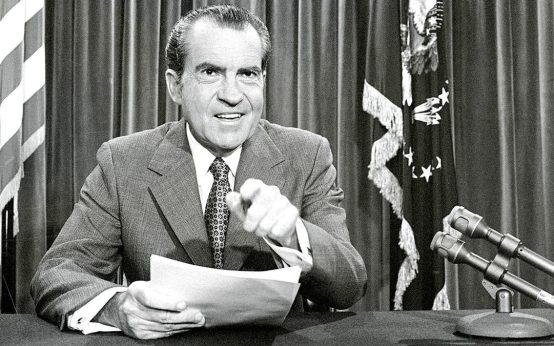 Former General Likens Trump’s Iran Strategy to Nixon’s Vietnam Bombing Campaign
 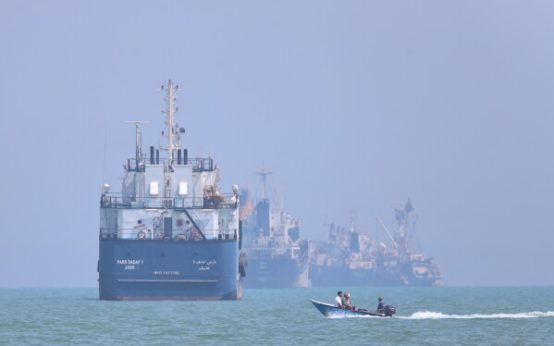 Protestas en Kinshasa por Propuesta de Cambio Constitucional
  Alexis Lalas Stirs Controversy During 2026 World Cup Broadcast
 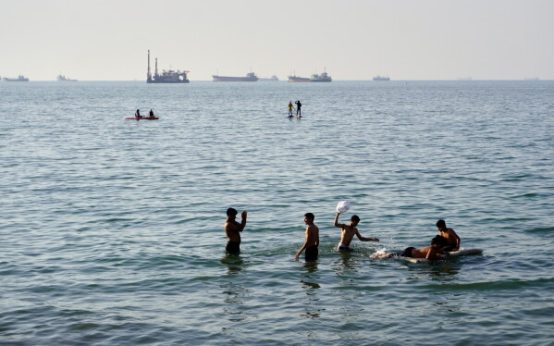 U.S. and Iran Edge Closer to Agreement on Middle East Conflict
  UNRWA Fires Staff Over Allegations of Hamas Ties