Somalia’s Omar Artan Denied Entry to the 2026 World Cup
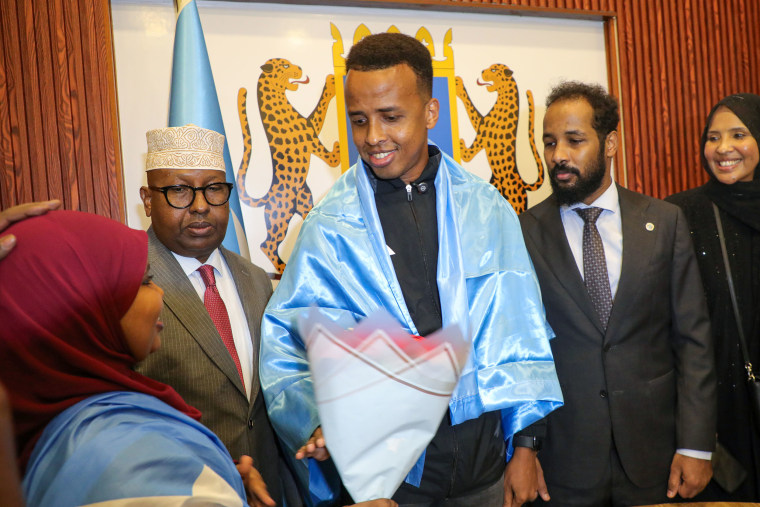
Somalia is not competing at the World Cup, but you’d think the country had won the trophy from the scenes at Mogadishu’s airport Wednesday. A crowd of supporters, blue-bereted police, and journalists gathered around the plane that had arrived at the terminal. Stepping off the plane was not a victorious soccer team, but Omar Artan, who became a symbol of America’s strict immigration policies colliding with one of the world’s biggest sporting events.
Denial of Entry at the U.S. Border
Omar Artan, 34, was set to be the first Somali referee at a World Cup, selected for the tournament occurring in the United States, Canada, and Mexico. After landing in Miami, he faced 11 hours of questioning before being sent home. He reported being detained and questioned extensively.
This situation isn’t unique. Iranian officials faced similar denial, including the Iraqi team photographer and player Aymen Hussein, who experienced intensive searches upon entry. The U.S. promised FIFA that eligible participants from around the globe would have access, but travel bans affect 39 countries under President Donald Trump.
Criticism Over Immigration Policy
Omar’s refusal sparked criticism. Former Secretary of State Hillary Clinton termed it “terribly backward.” Retired forward Ian Wright called it the “World Cup of chaos.” Andrew Giuliani, head of the White House World Cup task force, stated Artan was turned away for a justified reason but offered no specifics.
A U.S. Customs and Border Protection spokesperson cited “vetting concerns.” Artan denied knowing about Somalia’s al-Shabab after being questioned about the group. Somalia expressed regret over his treatment, and the Somali Football Federation backed Artan, urging patience until investigations conclude.
Entry and Inspection Protocols
According to CBP, two Iraqi delegates underwent further inspections. While one gained entry, the other faced denial. Officials described this inspection process as routine, yet Artan’s experience depicted unexpected delays.
White House spokesman Davis Ingle claimed Trump’s focus on ensuring safety amid concerns, refuting alleged scare tactics by the media. FIFA hasn’t commented on these incidents. Performative searches on teams stirred controversy, clashing with the event’s spirit according to Jules Boykoff, a professor at Pacific University.
Immigration Concerns Impact Fans
Strict U.S. border controls have deterred fans from attending, partly due to inflated ticket and accommodation costs. The World Cup’s expense added to the reluctance. Football Supporters Europe’s Ronan Evain argued a moral obligation exists in allowing access.
The tournament splits 78 of 104 matches across U.S. soil, while Canada and Mexico host 13 each. Visa issues have heightened anxiety since Trump’s travel ban policy returned. Haiti and Iran face full bans, while Ivory Coast and Senegal endure partial bans.
Impact on Fans
Although participants largely gained entry, fan access remained uncertain. Iran reported its fan ticket allocation revoked. Ivory Coast’s fan association opted out. The administration justified restrictions due to security concerns, yet critics cited racial and discriminatory motives.
During previous World Cups, host nations eased visa processes. The U.S. isn’t adopting similar measures, leaving fans facing high fees and frequent refusals. FIFA’s introduction of a “FIFA Pass” addresses appointment priority but doesn’t assure entry.
Sarah Pierce of Third Way urged hosts to promote welcoming policies for international events. Unlike past hosts, the U.S. isn’t waiving certain requirements, potentially setting a negative future precedent.
 Progress in Iran War Negotiations as Key Players Signal Imminent Deal
  Peruvian Police Use World Cup Mascots to Arrest Suspected Drug Dealer
  Former General Likens Trump’s Iran Strategy to Nixon’s Vietnam Bombing Campaign
  Protestas en Kinshasa por Propuesta de Cambio Constitucional
  Alexis Lalas Stirs Controversy During 2026 World Cup Broadcast
  U.S. and Iran Edge Closer to Agreement on Middle East Conflict