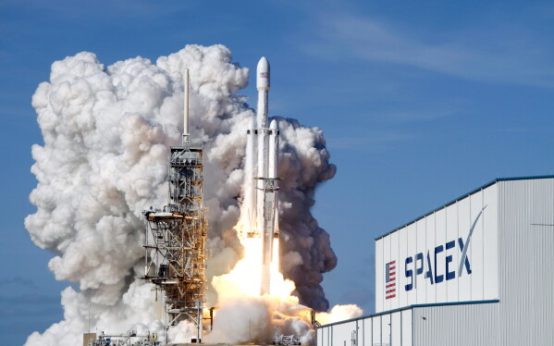
SpaceX, known formally as Space Exploration Technologies Corp., is set for a significant debut on the U.S. stock market. Elon Musk’s company is involving smaller retail investors in its initial public offering (IPO).
Retail Investor Participation
Unlike most IPOs, SpaceX plans to allocate up to 30% of its stock offering to retail investors. Normally, IPOs reserve only 5% to 10% for them. Companies like Charles Schwab, Fidelity, Robinhood, SoFi, and E-Trade will facilitate their involvement. For instance, Fidelity allows investors with as little as $2,000 to engage, a stark contrast to the typical $100,000 or $500,000 minimums.
Investment Risks and Volatility
Temptation may arise to quickly sell shares if the IPO price surges. However, brokerages often restrict future offerings to investors who rapidly flip shares. The stock price may be volatile, as retail investors typically do not evaluate long-term prospects as pension funds do. Past examples like GameStop in 2021 demonstrate retail investors’ influence.
First-Day Boost and Long-Term Trends
IPOs often witness a first-day increase, averaging 7% from 1980 to 2025, based on research by Jay Ritter, an expert at the University of Florida. However, they often underperform their peers over the next five years by an average of 3.6%, not considering the initial trading day.
SpaceX’s Financial Position
As of March, SpaceX’s debt reached $29.1 billion, with recent losses of $4.9 billion last year and $4.3 billion in the first quarter of 2026. The company acknowledges potential challenges in achieving profitability, suggesting the stock price will likely reflect actual profits over time.
Indirect Ownership Possibilities
Investors could possess SpaceX shares indirectly through funds like the QQQ exchange-traded fund, which tracks the Nasdaq 100. This index regularly reconstitutes to include the largest non-financial companies. A successful IPO might allow SpaceX’s quick entry into this index, impacting fund holders automatically.
Ownership Structure and Influences
In the IPO, SpaceX will issue 555.6 million Class A shares, each carrying one vote. Musk’s control rests on Class B shares, each providing ten votes. Post-IPO, Musk might control over 82% of the voting power, which some large investors criticize. Officials from pension funds in California and New York raised concerns about this concentration of power.
Avoiding Confusion with Similar Companies
SpaceX will trade under the ticker symbol ‘SPCX,’ closely resembling Richard Branson’s Virgin Galactic Holdings symbol ‘SPCE.’ Investors should be mindful of these similar symbols when trading.
 SpaceX’s Historic Stock Market Debut
  U.S. Stocks Surge as Trump Calls Off Iran Strike
  AI Stocks Lead to Wall Street’s Downturn
  Wall Street Faces Roller Coaster as AI Stocks Hit Turbulence
  S&P 500 Maintains Index Inclusion Criteria Amid IPO Surge
  Crypto Market Faces Significant Downturn Amidst Instability Concerns