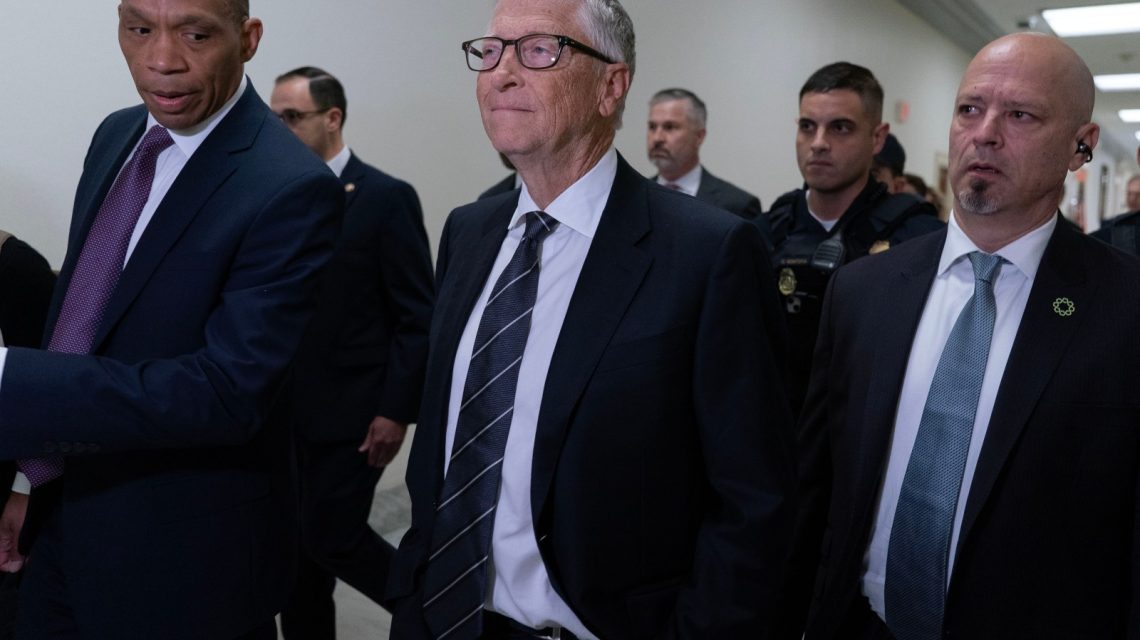
Bill Gates appeared before a House Oversight Committee panel as part of the investigation into the Jeffrey Epstein files. Gates is the latest high-profile figure to testify in this ongoing probe aimed at uncovering details about individuals connected to Epstein. Lawmakers are seeking transparency and accountability in the investigation that has been ongoing for years. Gates’ closed-door testimony could influence which information becomes public, as transcripts are anticipated, with possible additional witnesses.
The Microsoft co-founder attended voluntarily, expressing his hope that his testimony will aid in justice for victims. The committee’s interest focuses on documents connecting him with meetings and communications with Epstein. As lawmakers left the room, their reports varied on the nature of Gates’ interview. Representative Tim Burchett, a Tennessee Republican, described it as “intense,” while Illinois Democrat Raja Krishnamoorthi found Gates “combative” and not fully transparent. California Democrat Robert Garcia noted Gates’ resistance to some inquiries but affirmed he was responsive.
Insights into Gates and Epstein’s Relationship
The relationship between Gates and Epstein is under renewed scrutiny as part of the investigation into Epstein’s network. Documents from the Justice Department reveal multiple meetings between Gates and Epstein from 2011 to 2014. These records include calendar entries, emails on philanthropic initiatives, and photos from events they both attended.
Earlier this year, Gates admitted to having affairs during a Gates Foundation town hall and apologized for his ties to Epstein. According to a Wall Street Journal report, Gates had two affairs discovered by Epstein, though not involving Epstein’s victims. He has consistently acknowledged the meetings, labeling them a mistake. Gates insisted he lacked knowledge of Epstein’s criminal activities during their encounters.
Gates’ ex-wife, Melinda French Gates, voiced her discomfort with the relationship, citing it as a strain on their marriage. In interviews, she described the renewed scrutiny as painful, attributing the relationship as a factor in their divorce. She urged that remaining questions about these ties should be addressed by those directly involved.
Representative Melanie Stansbury, a New Mexico Democrat, reported Gates acknowledged maintaining contact with Epstein for potential fundraising access, deeming it an acceptable method to reach wealthy donors.
Gates’ Opening Statement
“I appreciate the opportunity to appear before you today to discuss my interactions with Jeffrey Epstein. I am here to assist the Committee’s efforts. I hope the release of the Epstein files will enable survivors of his crimes to achieve justice.”
Gates emphasized having no awareness of Epstein’s criminal acts during their interactions. He never visited Epstein’s island or homes. Introduced through trusted contacts in 2011, Gates aimed to raise funds for global health initiatives. Aware of Epstein’s past legal issues, Gates admitted insufficient scrutiny before accepting the introduction.
From 2011 to 2012, Gates attended preliminary meetings discussing philanthropic goals. In 2013 and 2014, more extensive discussions occurred, focusing on fundraising structures. Gates made clear that Epstein would not receive any role or compensation.
Realizing in 2014 that Epstein’s promises were fruitless, Gates stopped all engagement. Despite email exchanges and meetings with his team, no philanthropic vehicle was created, and no funds were raised.
Gates discovered later Epstein’s knowledge of his private affairs, unrelated to Epstein’s victims, utilized as leverage by Epstein to re-establish contact. Gates refused these attempts.
He admitted meeting Epstein was a grave error in judgment, reinforcing the importance of vigilance over whom he collaborates with in his philanthropic efforts.
His work depends on partnerships built on reputation, which was jeopardized by associating with Epstein. Gates expressed regret if his presence gave Epstein any legitimacy.
Gates concluded by expressing hope that those harmed by Epstein receive justice.
Jeffrey Epstein’s Finances and Demise
Epstein accumulated his wealth through finance, acting as a money manager for a limited number of affluent clients. Federal investigations and public records highlight his varied investments and connections with powerful individuals, underscoring scrutiny of his financial empire.
Epstein died in August 2019 while in federal custody, awaiting trial for sex trafficking charges. His death, officially ruled a suicide, continues to provoke public and congressional interest as inquiries into his network persist.
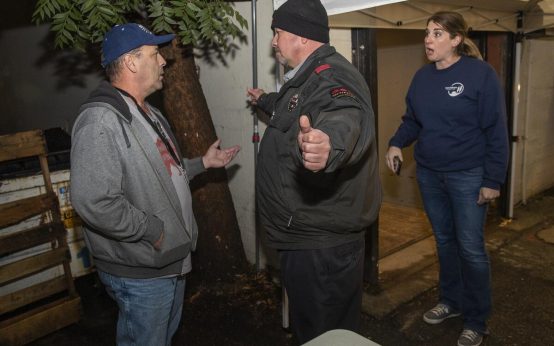 California Election Laws Challenged in Shasta County
 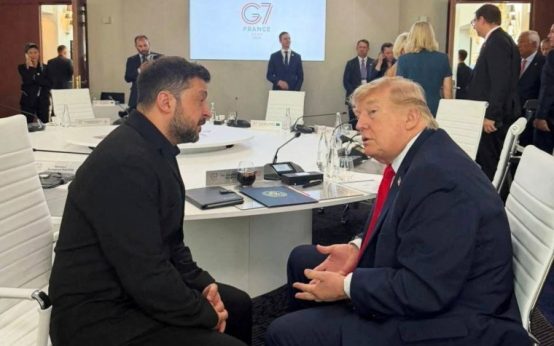 Trump Shifts Focus to Ending Russia-Ukraine Conflict After Iran Deal
 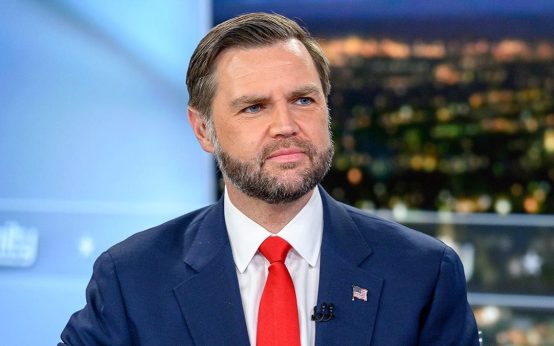 JD Vance Sparks Discussion on 2028 Presidential Race
 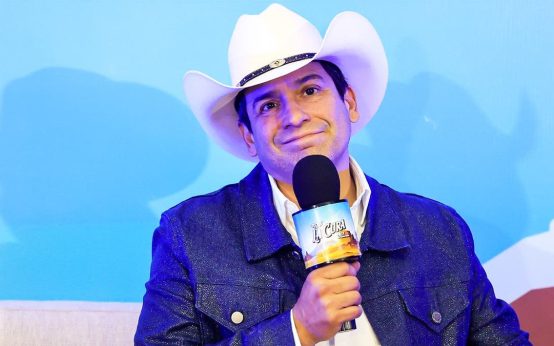 Bobby Pulido’s Congressional Campaign Challenges
  Iran’s Narrative of Victory Post-War Agreement
  Concerns Over Election Security and Federal Involvement Escalate