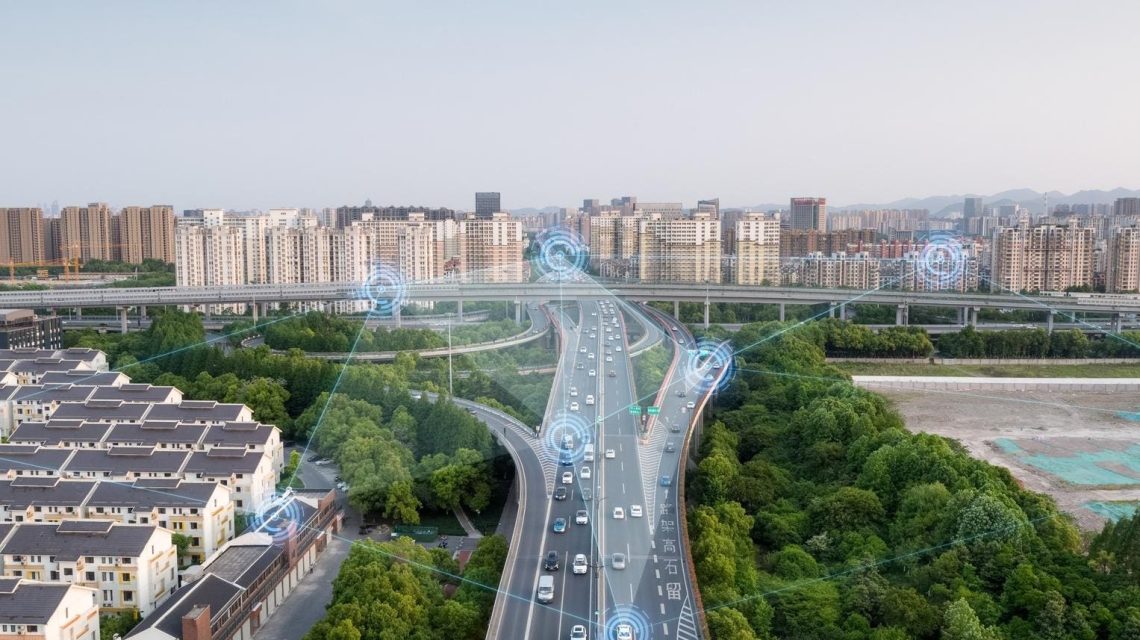
Artificial Intelligence (AI) agents are ushering in a new era for urban management. These advanced systems are designed to enhance the efficiency and effectiveness of city operations. By incorporating AI, city leaders can rethink public services, emphasizing speed, coordination, and tangible outcomes.
Speed and Efficiency
AI agents streamline processes that traditionally consume significant resources. Take traffic management, for example. AI can analyze real-time data, optimizing traffic light sequences to reduce congestion. This approach not only saves time but also minimizes fuel consumption and reduces pollution.
Coordination
AI agents facilitate better coordination among public service departments. For instance, emergency response teams can benefit from enhanced communication systems powered by AI. By integrating data from various sources, AI can help these teams act swiftly and informed, improving response times and effectiveness.
Real-World Outcomes
The potential outcomes are substantial. Consider waste management. AI can optimize garbage collection routes by analyzing data on waste volumes and traffic patterns. This results in reduced operational costs and environmental impact.
Implementing AI in Cities
Introducing AI agents into city infrastructure is a step-by-step process involving planning, testing, and scaling. Collaborative efforts between tech developers and city officials ensure the solutions fit community needs.
AI agents are poised to redefine urban living. Their potential for enhancing public services is vast and tangible.
 The Impact of AI on Modern Dating and Intimacy
  Trump Administration Halts AI Model Citing Security Concerns
  Great Britain’s Social Media Ban for Kids Sparks Tensions with Trump Administration
  The Growing Role of AI in U.S. Government Decisions
  Insights from the International AI Safety Report 2026
  SpaceX to Acquire Cursor: A Move to Expand in AI