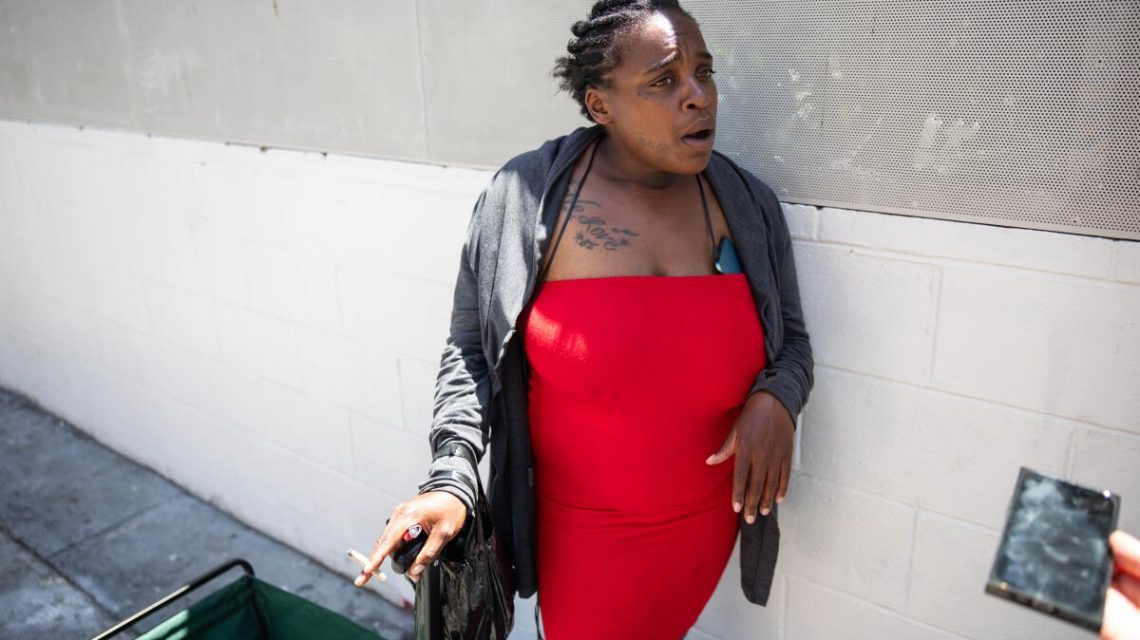
Recently, following the Los Angeles mayoral primary election, social media has been rife with unsubstantiated conspiracy theories. These claims focus on reality TV star Spencer Pratt’s unexpected loss in the race. Notably, one rumor of Pratt receiving zero votes was swiftly clarified by the U.S. attorney’s office. A newer narrative suggests that fraudulent ballots tied to homeless individuals affected the election outcome.
Exploring the Claims
The narrative gained momentum without tangible evidence. False information and far-fetched justifications fueled the speculation. On TikTok, user laneedsspencerpratt posted videos purportedly showing Skid Row residents admitting they were paid to vote for incumbent Mayor Karen Bass. Election night results saw Bass and Councilmember Nithya Raman advancing to a runoff. Pratt initially led over Raman but fell to third place as more votes were counted.
Despite the claims, L.A. County election officials found no proof supporting allegations that votes were cast for Bass in exchange for money. Alex Stack, a spokesperson for Bass’ campaign, dismissed the allegations as false.
Investigations and Experts’ Views
While these narratives sparked concerns, experts argue that a handful of potentially suspicious votes would not overturn an election with over 750,000 voters. Christopher R. Hallenbrook, an expert in political science, emphasized the improbability of such a minor voting issue altering the election’s outcome. Rick Hasen, a legal scholar, noted that broad claims of voter fraud are unconvincing without substantial evidence.
Using alternative voter strategies, such as paying large numbers of people, would be costly and visible, making the notion of mass fraud implausible in this context.
The Role of Skid Row
Residents on Skid Row dismissed the idea of widespread vote payments. Most express apathy towards voting, stating no approach or monetary offer occurred. Michele Brewster, a local resident, observed zero campaigning in her area and doubted the presence of significant election-related activity.
Though some observed individuals collecting signatures with offers of payment, such activities appeared unrelated to vote-buying schemes. The U.S. Justice Department previously addressed a case involving paid voter registrations, showing isolated incidents rather than systemic fraud.
Reality of Voter Registration
Voter registration efforts, often misconstrued, support homeless individuals’ rights to vote. The U.S. attorney’s office indicated reviews for potential discrepancies in registrations listed at facilities not matching voter volume, citing efforts to enable access at specified locations.
These confuse the legitimate practice of facilitating homeless individuals’ right to vote, underscoring how isolated claims erroneously fuel fraud conspiracies.
Ultimately, the breadth and complexity of election systems, alongside post-election checks like ballot signature verification, secure the vote’s integrity. Officials like Mike Sanchez advised against directly correlating shelter beds and voter records.
As misinformation circulates, acknowledging everyone’s right to vote remains essential—even when rooted within misunderstood or overlooked communities. Accurate voter registration allows marginalized populations to express their civic duty, countering narratives of deceit.
 Internal Challenges Threaten Keir Starmer’s Leadership
 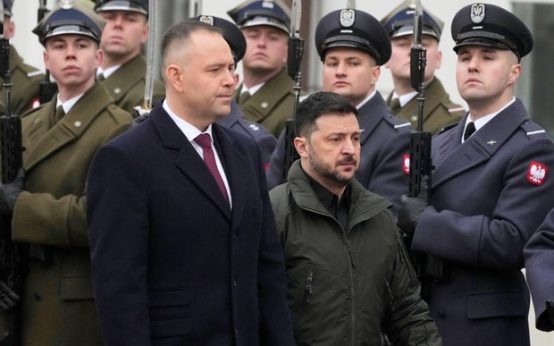 Ukraine-Poland Award Dispute and Historical Tensions
 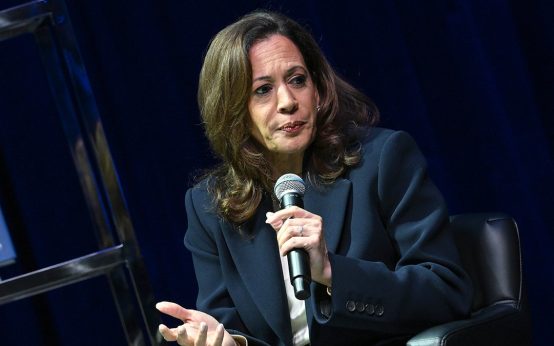 Kamala Harris Defines Hope in Podcast with Don Lemon
 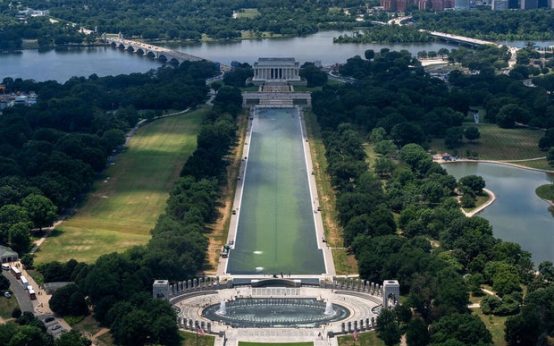 Arrests Made for Vandalism at Lincoln Memorial Reflecting Pool
 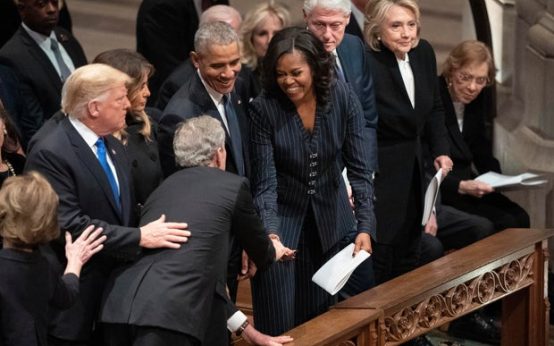 A Unique Friendship: George W. Bush and Michelle Obama
  Potential Resignation of British Prime Minister Keir Starmer