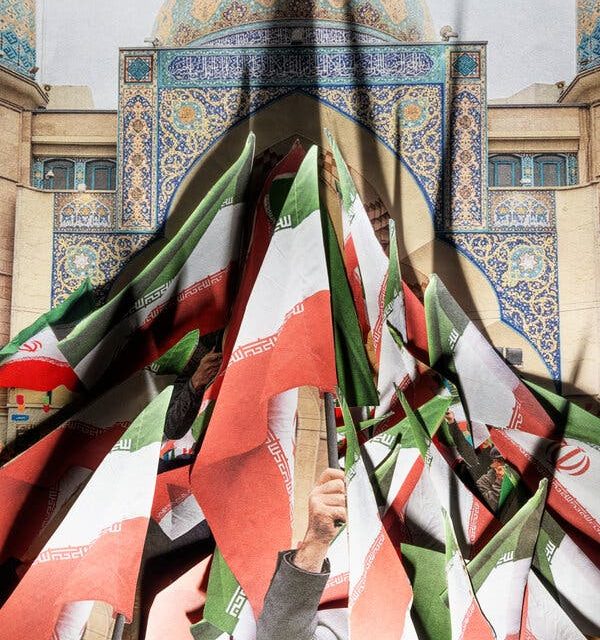
On October 22, 1951, Iran’s Prime Minister Mohammad Mossadegh delivered a speech at Philadelphia’s Independence Hall. He stood in front of the Liberty Bell using it as a backdrop to emphasize his admiration for American liberty. Mossadegh highlighted the similarities between the American quest for independence and Iran’s ongoing struggle to liberate itself from British dominance over its resources and political affairs. He expressed, ‘The creed of national independence is a universal one, and it is held by all peoples.’
In a dramatic turn of events two years later, Mossadegh faced a coup orchestrated by the United States and Britain. His attempt to nationalize Iranian oil and take control of the British-owned Anglo-Iranian Oil Company led to his removal. As many nations embraced newfound identities post-colonialism, Mossadegh’s legacy evolved into a symbol of independence and resistance against Western imperialism. His ouster remains a point of contention and serves as a poignant example of American foreign policy missteps, especially in discussions within the global south.
Currently, Iran’s resistance to Western pressures has become a unifying chant. The conflict, particularly during President Trump’s administration, has transformed into a cautionary tale. Iran’s tribulations stand as a foreboding reminder of the potential consequences faced by nations challenging the status quo. Recently, a wave of solidarity and support for Iran has spread across non-Western nations. Even states critical of Iran’s regional policies and domestic governance resonate with a sentiment known as the “Je suis Iran” moment.
The driving force behind this global sympathy is partly the joint military actions by the United States and Israel against Iran. As the world reshapes itself to adjust to President Trump’s transactional and aggressive policies, smaller and mid-sized countries are seeking ways to assert their independence. These nations aim to reduce reliance on the U.S., instead opting to strengthen ties with China and other emerging powers.
The war against Iran has proven to be a pivotal moment in this evolving narrative. Iran has demonstrated its potential to assert control over crucial maritime routes, affect the global economy, and endure military assaults from leading world powers. This conflict granted Iranian leaders an unexpected role in the emerging global shift. Once marginalized, heavily sanctioned, and viewed unfavorably as repressive, Iran has emerged in the eyes of many as a model of necessary resistance and valor.
 Senator Lindsey Graham and UFC CEO Dana White Criticize Fighter Josh Hokit for Comments on Michelle Obama
  G7 Summit Focuses on Russia-Ukraine Conflict as Trump and Zelenskyy Set to Meet
  World Cup Matchday 5: Surprises and Performances
  Senators Seek Clarity on US-Iran Agreement
 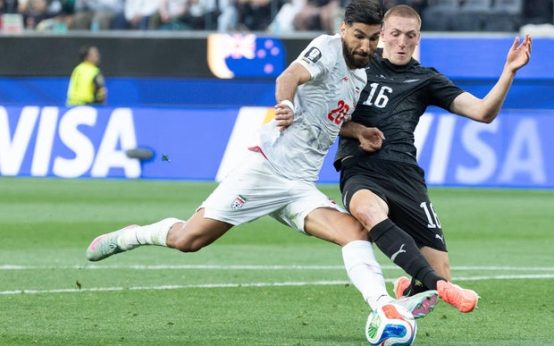 Iran’s World Cup Journey After Politically Charged Match
  Emerging Political Movement Strives for Unity in Israel