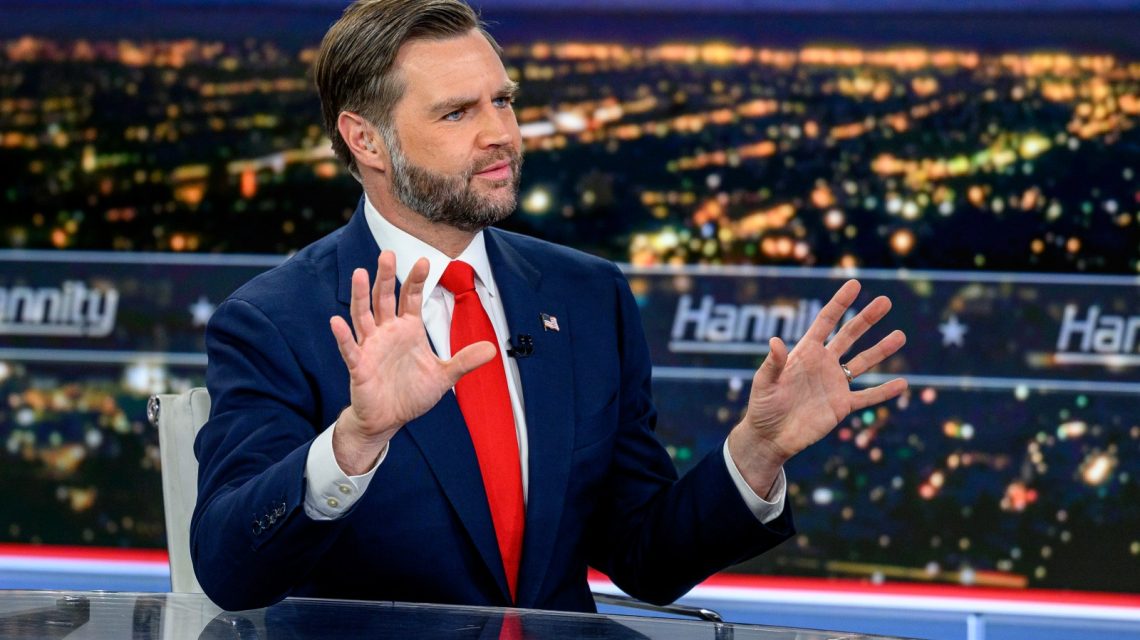
The recent agreement between the U.S. and Iran aims to address the proliferation risk posed by Tehran’s enriched uranium stockpile. Vice President JD Vance emphasized that Tehran would eliminate its highly enriched uranium as part of a deal to end the ongoing conflict. Yet, verifiably neutralizing the risk of weaponization remains a significant challenge.
The agreement builds on a memorandum of understanding (MOU) promoted by President Donald Trump. This proposal includes reopening the Strait of Hormuz, currently blocked by Tehran. It also initiates a 60-day negotiation process focusing on Iran’s nuclear program. Despite differing interpretations from U.S. and Iranian sources, the full details of the agreement are expected soon.
Vance stated on Fox News that Iran is committing to eliminate its uranium stockpile, aligning with the goals of the U.S. and Israeli governments to prevent nuclear weapon development. However, the nongovernmental Arms Control Association (ACA) stressed the importance of not missing this diplomatic opportunity.
Criticism arises from Israeli media and politicians who find the MOU lacking in detail. Brig. Gen. Yossi Kuperwasser of the Jerusalem Institute for Strategy and Security expressed concerns over the deal’s reported allowances for Iran’s uranium enrichment. He questioned the impact on U.S.-Israeli diplomatic and military efforts.
Neutralizing Iran’s Highly Enriched Uranium
The International Atomic Energy Agency (IAEA) reported that Iran stores its 970-pound stockpile of 60 percent enriched uranium in underground facilities. The ACA assessed that effective neutralization might involve excavating and diluting the material under IAEA supervision. Reducing enrichment to below 5 percent, suitable for power reactors, under monitoring, would mitigate near-term risks.
The ACA proposed shipping the material to Kazakhstan’s international fuel bank or storing it under careful supervision. Additionally, a U.S. official suggested the final deal should include long-term suspension of Iran’s enrichment program. A verifiable suspension would prevent rapid bomb development.
The U.S. could enhance the suspension by restricting centrifuge research and production while capping uranium-related activities. Iran would need to show a practical need for future enrichment, with increased IAEA oversight, as the ACA suggested. Tying nuclear agreements with sanctions relief would involve the UN Security Council.
From Israel’s perspective, comments from Kupperwasser at JISS revealed feelings of neglect. Justin Logan of the Cato Institute viewed the MOU as an opportunity to negotiate a broader agreement that could suppress the nuclear threat, demonstrating the war’s potential futility.
What Has the IAEA Said?
The IAEA’s recent report reemphasized calls for clarity on Iranian uranium stockpiles. The agency highlighted the necessity of implementing the Non-Proliferation Treaty Safeguards Agreement thoroughly. IAEA chief Rafael Grossi urged re-engaging with Iran to ensure compliance and transparency.
 Tragic Rope Jump Incident in Brazil Highlights Safety Failures
  China Denies EU Allegations of Military Training for Russia
 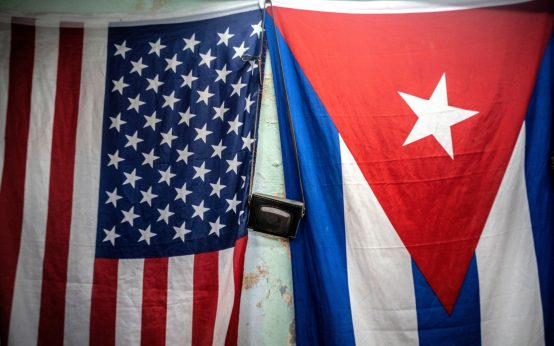 US Sanctions Lead to Shutdown of Key Cuban Remittance Platforms
 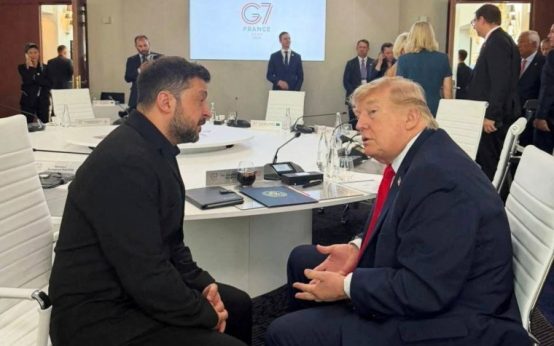 Trump Shifts Focus to Ending Russia-Ukraine Conflict After Iran Deal
  Ukraine Drone Strike Targets Moscow Oil Refinery Amid Ongoing Conflict
 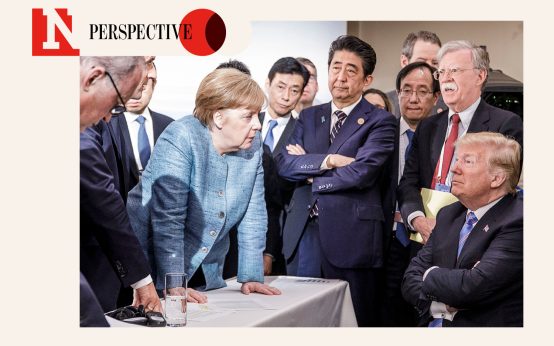 The Changing Dynamics at the G7: A Shift Towards Inclusivity