
Transgender actor Elliot Page shared his perspective on ‘healthy masculinity’, shedding light on the importance of embracing emotional openness. During an appearance on the “It’s Open with Ilana Glazer” podcast, Page discussed how stepping away from the expectation to emotionally shut down defines healthy masculinity for him.
The 39-year-old actor, known for his role in “Odyssey”, reflected on his own experiences. He emphasized the significance of not conforming to societal expectations that encourage closing off from emotions. “To me, healthy masculinity involves resisting the impulse to shut down,” he remarked.
Page transitioned in 2020, coming out as transgender. Since then, he has noticed a difference in how he presents himself, particularly in photographs. He recounted a time when he appeared less expressive in photos before his transition, compared to the present where he finds himself smiling more.
He also noticed a pattern among male fans who often refrain from smiling in photos. Page questioned if he should mimic this behavior before realizing it contradicted his beliefs on healthy masculinity. He concluded that being emotionally open, including allowing oneself to cry, is a healthier alternative.
Page highlighted the importance of self-care practices like staying hydrated as part of healthy masculinity. He stressed the need for men to avoid adhering to societal standards that contribute to issues like toxic masculinity. “Healthy masculinity, I think, can just be having a really good cry,” Page mentioned.
Formerly known as Ellen Page, he earned an Oscar nomination for his role in the movie “Juno.” Page continues to engage with his audience on topics of identity and self-acceptance.
 Lex Marie’s Art Explores the Complexities of Discipline in Black Households
  A ‘Jalen Invasion’ May Follow Knicks Victory
  Controversy Surrounds Nicholas Kristof’s Work at The New York Times
  Historian Eddie Glaude Jr. Explores America’s Complex Past and Present
  Preservation Groups Challenge Statuary Garden Project
 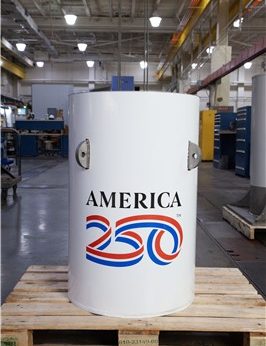 America250: Documenting U.S. Identity with a Time Capsule