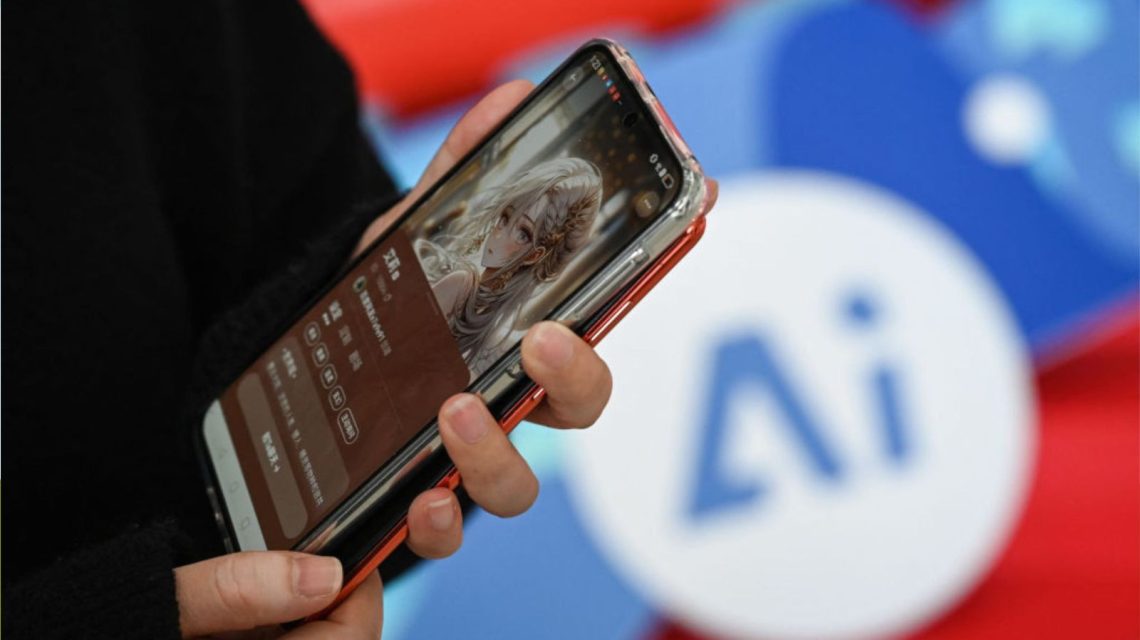
Artificial intelligence (AI) is reshaping the way Americans approach dating and intimacy. Therapists are concerned about the potential effects of AI on human connections. The emergence of ‘AI girlfriends’ and ‘AI partners’ offers a new form of relationship, removing many emotional risks found in real-life interactions.
Changing Expectations in Dating
According to a study by Vantage Point Counseling, 28.16 percent of U.S. adults have experienced romantic relationships with AI. More than half report some form of relationship with an AI system. Therapists caution that for younger generations, AI relationships might set unrealistic standards. Alexandra Cromer, a licensed professional counselor with Thriveworks, highlights that AI relationships reflect fantasy rather than grounded reality, lacking healthy interpersonal connections.
AI companions are responsive, agreeable, and emotionally available, creating immediate satisfaction. However, these traits may distort expectations from real-world partners, who have their own needs and limitations.
Understanding the Appeal
AI partners simulate connection without the unpredictability of human behavior, offering consistent validation. Dr. Michael Salas from Vantage Point Counseling explains that AI partners avoid the fear of rejection. Immediate responses and constant availability make AI companions attractive. People can control tone and personality of their AI, minimizing risk of rejection.
Cromer states these relationships are one-sided, as AI partners demand nothing from their users. Such dynamics are considered unhealthy and unbalanced in human relationships and can negatively impact societal values.
Shift in Dating Dynamics
Choosing an AI partner might seem simpler but presents challenges for real connections. Salas notes that comparing adjustable AI companionship with real-world dating can make human relationships feel unnecessarily difficult.
The exposure to ‘frictionless’ relationships might reshape the approach to intimacy, especially for younger users learning to date.
Human relationships often involve mismatched expectations and emotional discomfort, essential experiences for building relational skills. The tolerance for real-world relationship complexities might decrease.
The Influence on Existing Relationships
AI romance is not confined to lonely individuals, as committed partners also explore AI intimacy, raising questions about fidelity. According to Vantage Point’s study, 53.34 percent of those engaged in AI relationships were already in committed real-life relationships.
For couples, the key questions extend beyond physical intimacy to whether emotional or sexual connections are hidden from each other.
Younger Generations and AI Relationships
The impact on younger generations is substantial. A poll by Vantage Point Counseling shows 72 percent of U.S. teens have used AI companions, with one in three utilizing them for social interaction. Adolescents are in a crucial phase of learning to navigate real relationships.
AI can seem like the perfect listener to teenagers, responding without disappointment. While it can provide comfort, experts warn of limited opportunities to develop real social skills.
Long-term effects might include increased isolation and frustration in dating, impacting discernment when seeking human partners. Cromer suggests AI relationships could elevate self-criticism and set unrealistic standards.
Future Implications
AI companion platforms continue to expand, attracting millions for friendship and romance. Generational expert Bryan Driscoll underscores the risk of developing relationships that demand nothing, leading to struggles with human interactions.
A society reliant on outsourced connection may face difficulties with engagement, retention, and loneliness beyond measurable data.
 Trump Administration Halts AI Model Citing Security Concerns
  Great Britain’s Social Media Ban for Kids Sparks Tensions with Trump Administration
  Yerba Mate’s Global Journey: From South America to the World Cup
  A Gardener’s Guide to Exceptional Tomato Varieties
  The Growing Role of AI in U.S. Government Decisions
  Insights from the International AI Safety Report 2026