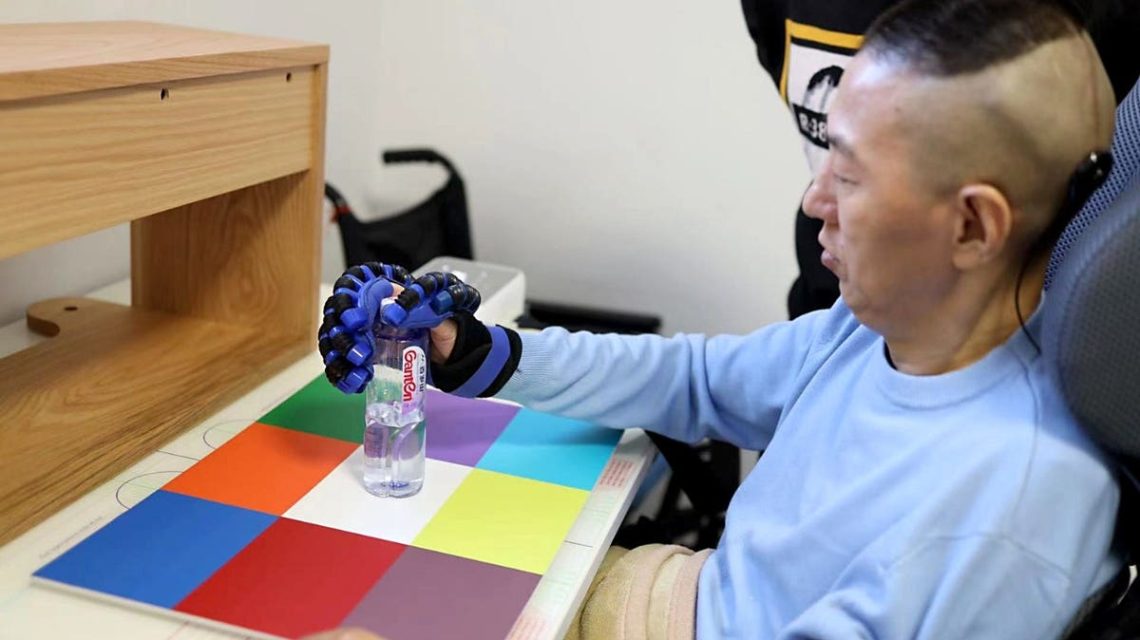
China has taken a significant leap in brain-chip technology with the approval of the world’s first commercial brain chip, raising privacy concerns. This coin-sized chip holds promise for individuals with paralysis, potentially allowing them to control devices using their thoughts.
Understanding the NEO Brain Chip
The brain-computer interface (BCI), known as NEO, targets patients with paralysis from spinal cord injuries. Developed by Tsinghua University and Neuracle Technology, it is less invasive than many alternatives. The NEO chip sits on the brain’s outer layer without piercing deep brain tissue.
This design can reduce risks associated with brain implants like bleeding or infection. The chip transforms brain activity into commands for external devices such as robotic gloves, offering some patients newfound independence.
Privacy and Security Concerns
BCIs raise significant privacy issues. These devices decode signals from the brain, which means sensitive data must be securely managed. Ownership of this data needs clear definition; unauthorized access could have severe consequences.
Security is essential since breaches could affect functions like movement or communication, putting independence and safety at risk. Companies must prioritize cybersecurity from the beginning, ensuring long-term support and updates.
The Global Context
China seeks to integrate BCIs into its health system, aiming for global industry competitiveness by 2030. In contrast, Neuralink, led by Elon Musk, has focused attention on brain-chip applications in the U.S. Neuralink is still undergoing trials and has not received full approval for commercial use.
Despite China’s progress, brain chips remain exclusive to a small patient group. There is notable potential in restoring mobility or communication, vital for the over three billion people globally with neurological issues.
Balancing Opportunity and Risk
While brain chips promise significant medical advances, privacy concerns must not be overlooked. Patients must be informed about data access, storage, and usage. These protections are crucial as the technology advances toward broader applications.
Companies and governments need to establish clear boundaries around the use of neural data. Ensuring privacy and security must match technological advancements to protect individuals’ personal and neurological information.
 Rising Abuse of Over-the-Counter Medications Among Teens
  Vermont’s New Regulation on Medical Practice Investments
  Navigating Complex Relationships with Therapeutic Insights
  Supporting a Loved One Through Cancer: What You Can Do
  Impact of Declining SNAP Benefits on Children in the U.S.
  Airbnb Offers Free FIFA World Cup Tickets with Select Rentals