A judge in New Mexico dismissed a lawsuit challenging the state’s universal childcare program, allowing it to proceed unimpeded. Former Republican gubernatorial candidate Duke Rodriguez and other plaintiffs had raised concerns about the process used by the Democratic administration under Governor Michelle Lujan Grisham. They questioned the removal of income caps and co-pays without legislative approval for funding.
Attorneys representing the governor and the childcare agency argued that subsequent legislative authorization and funding had rendered the lawsuit irrelevant. District Judge Elaine Lujan agreed, dismissing the lawsuit and enabling the state to cover childcare costs for families regardless of income. The judge also found that Rodriguez and his co-plaintiffs lacked the standing to bring the lawsuit.
Rodriguez’s legal team expressed intentions to appeal the decision. Plaintiffs’ attorney Jacob Candelaria emphasized that the governor cannot singlehandedly alter and enforce laws, despite well-meaning intentions.
“Just because (Lujan Grisham) thinks she has a great idea doesn’t mean she gets to write the law and enforce the law.” – Jacob Candelaria
The ruling removed a potential financial challenge for childcare providers and families relying on free childcare. Governor Lujan Grisham praised the decision, stating that the program is lawful and will continue to assist New Mexico families. She described the lawsuit as an unnecessary source of anxiety for those dependent on the program.
New Mexico aims to be the first U.S. state to subsidize daycare costs for all families, irrespective of income, provided that parents or guardians are employed, in school, or have an exemption. The development holds significance for policymakers nationwide who are exploring ways to alleviate family costs and bolster public investment in childcare.
Candelaria reiterated during the hearing that bypassing legislative oversight undermines constitutional principles. However, Holly Agajanian, the governor’s chief counsel, countered that the matter was a policy debate, not a constitutional crisis.
In February, Lujan Grisham formalized the program into law, contingent upon the state’s financial stability. Funded largely through oil and gas revenue, the program was already one of the most generous nationally before the November expansion, supporting families earning up to 400% of the federal poverty level, about $132,000 annually for a family of four.
Legislative analysts have questioned the sustainability of the expanded program, noting early overspending by the Early Childhood Education and Care Department. To address this, new regulations have been proposed. Possible measures include reintroducing co-pays for higher-income families should oil prices drop significantly or enrollment surpass expectations.
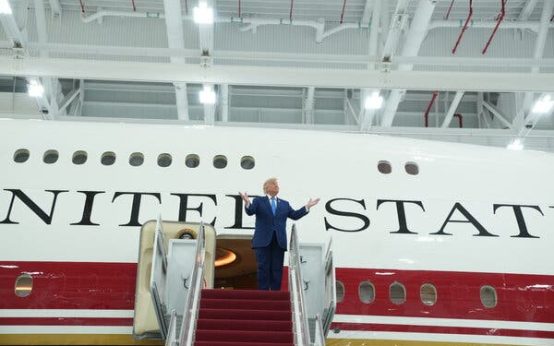 President Trump Unveils New Air Force One
  Political Analysis on PBS NewsHour
  Californians Show Reluctance for Local Tax Increases Amid Economic Strain
 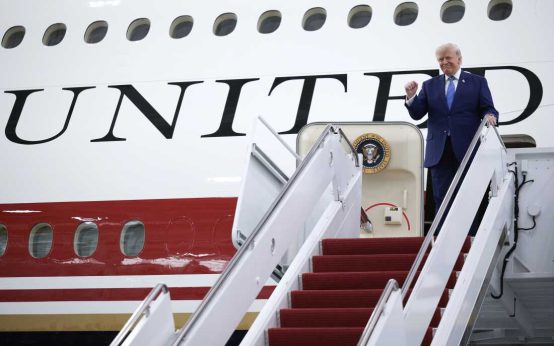 Trump Tours New Air Force One Gifted by Qatar
 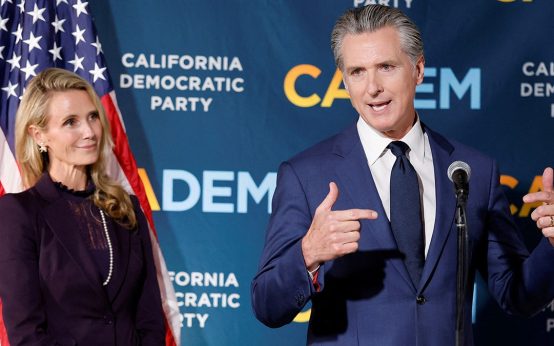 California Attorney General Criticizes Trump Over DOJ Probe Into Newsom
  Trump’s Dual Endorsement in South Carolina Runoff