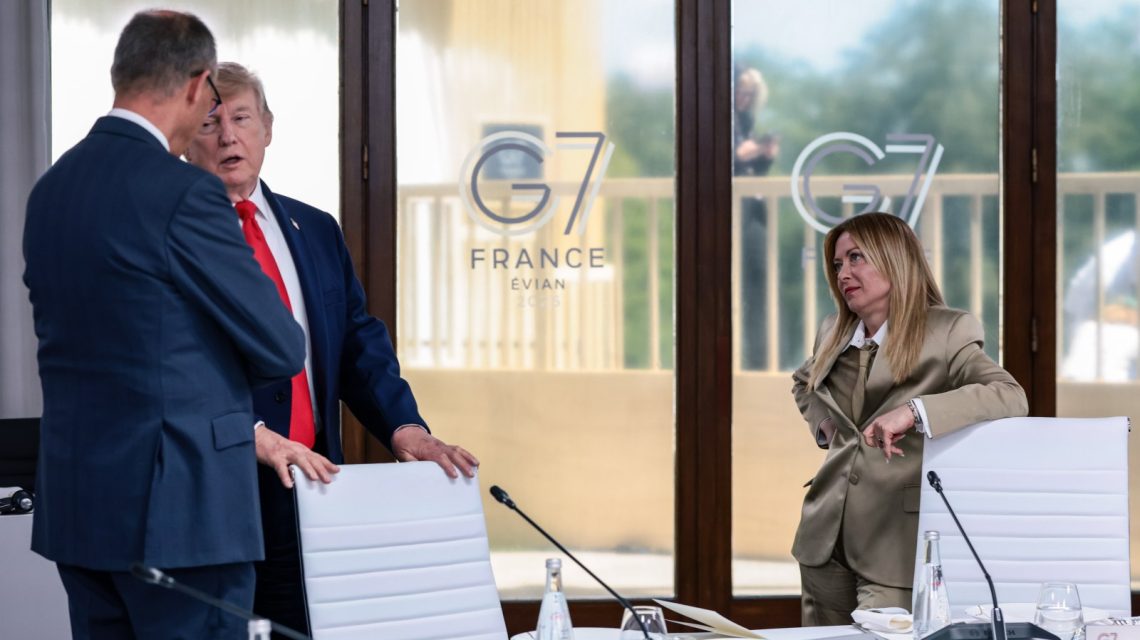
Many right-wing and populist leaders in Europe, previously in alignment with President Donald Trump, have now begun distancing themselves from his administration. This shift reveals fractures in what was once considered an emerging trans-Atlantic alliance. Key disputes over issues such as the U.S.-Israel war with Iran, threats of acquiring Greenland, and the use of tariffs against European allies have contributed to this growing divide between Washington, D.C., and its ideological allies abroad.
Analysts attribute this shift to both substantive policy disagreements and increased political risks for European leaders who have been too closely associated with Trump.
Italian Relations Strain
Recently, tensions escalated between Trump and Italian Prime Minister Giorgia Meloni. Trump claimed Meloni had requested a photo with him at the G7 summit, a claim she denied. This incident led to the cancellation of a visit by Italy’s foreign minister to the United States.
Nathalie Tocci, a professor at Johns Hopkins’ School of Advanced International Studies, stated that the break between Meloni and Trump began when Trump attacked the pope, causing Meloni to side with Pope Leo.
Meloni’s attempts to reconcile in Evian proved unsuccessful due to Trump’s disposition towards Europeans. Tocci suggests that repairing the relationship may now be nearly impossible.
European Criticism Over U.S. Policies
- European nationalist leaders have criticized Trump’s stance on Iran, Greenland, and trade policies.
- Italy has blocked the use of a key air base for U.S. Middle East operations.
- French and German populist parties have cautioned against U.S. interventionist moves.
In Germany, Chancellor Friedrich Merz has clashed with Trump over Iran, even as the U.S. threatens to reduce military presence in Germany.
Meloni’s Stance on Washington
Meloni, once regarded as a reliable partner to Trump, now represents a shift in relations. Having initially depicted herself as a connector between Washington and Brussels, Meloni has publicly opposed the U.S. on the Iran conflict. Her government has blocked U.S. military actions from the Sigonella air base in Sicily, reflecting domestic political pressures and increasing energy cost concerns.
Tocci noted that nationalist leaders eventually clash by nature, with Meloni responding similarly when criticized by Trump. Tocci foresees Meloni now avoiding further public confrontation while maintaining formal international ties.
France’s National Rally Creating Distance
Far-right National Rally leaders in France, historically aligned with Trump’s nationalist rhetoric, have started voicing criticisms. Marine Le Pen described Trump’s foreign policy in Iran as unpredictable, while Jordan Bardella warned against U.S. imperial ambitions citing Greenland and Venezuela.
The attempt to assert control over Greenland has sparked backlash, even from European parties previously supportive of Trump, now viewing these actions as politically untenable.
Privately, National Rally officials have cautioned against close association with Trump to avoid alienating voters in future elections.
German Criticism Across Political Spectrum
In Germany, resistance has emerged from both the far-right Alternative for Germany (AfD) and the governing center-right. The AfD has denounced Trump’s foreign policy and called for the withdrawal of U.S. troops, suggesting growing unease even among supporters.
Chancellor Merz’s direct confrontations with Trump on Iran have led to tensions, with threats from Trump to reduce military presence in Germany creating implications for NATO strategies in Europe.
Broader Political Challenges
Even staunch Trump supporters like Nigel Farage in the UK have criticized U.S. actions regarding Greenland as hostile, though not completely severing ties.
The broader narrative reflects Trump’s diminishing appeal among European nationalists. While ideological similarities on topics like immigration persist, domestic concerns about foreign involvements and economic stability are influencing European political strategies.
The ongoing disputes illustrate the challenges of maintaining partnerships, particularly as U.S. actions conflict with European political dynamics.
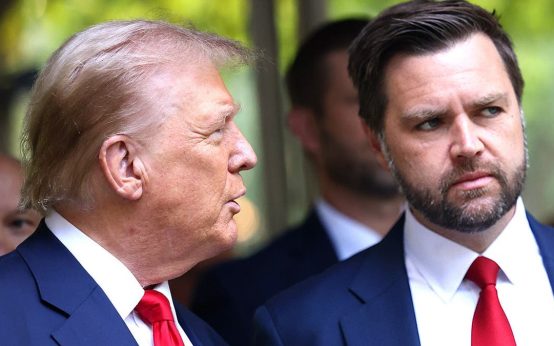 Vice President JD Vance Discusses Trump’s Dress Code Expectations
 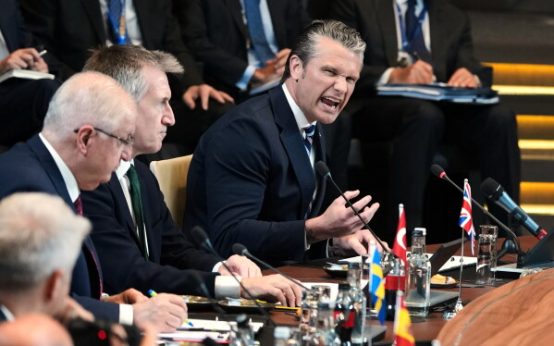 U.S. Defense Secretary Criticizes NATO Allies Amid Defense Review
 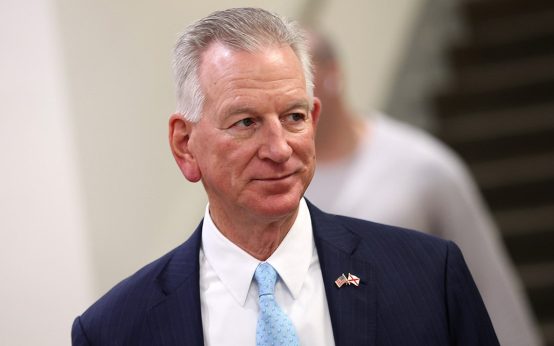 Capitol Hill Reaction to Trump’s Iran Peace Deal
  Trump’s Recent Diplomatic Moves and Headlines
  Trump’s Dual Endorsement in South Carolina Governor’s Race
  Uncertain Support in Texas Senate Race: Crockett’s Stance