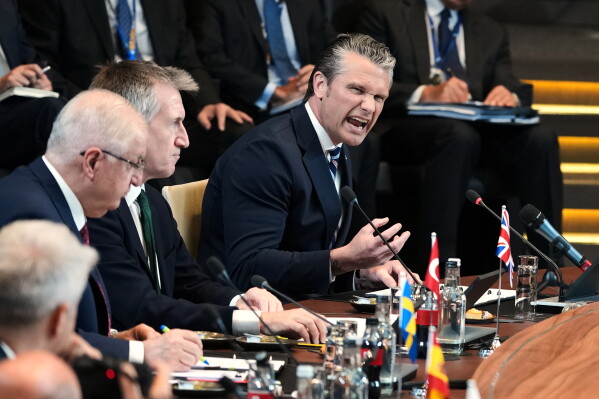
BRUSSELS (AP) — Following a strong critique by U.S. Defense Secretary Pete Hegseth, European leaders reflected on their progress in enhancing security measures. The critique involved a Pentagon review aimed at assessing NATO allies’ performance. Hegseth highlighted defense spending increases, military equipment production, and improvements since the war in Ukraine. Leaders evaluated effective use of EU funds, reduction of bureaucratic hurdles, and advancement of ‘military mobility’ to deploy troops and resources quickly.
European leaders agreed that defense readiness must see significant enhancement by 2030. The plans and discussions reflect a strategy developed since Russia’s full-scale invasion of Ukraine in 2022. Intelligence has warned of potential Russian aggression elsewhere in Europe in the coming years. There are accusations of Russian sabotage and misinformation campaigns across the continent.
Most EU countries are part of NATO, and recent U.S. administration unpredictability has encouraged them to progress independently. The Pentagon review represents a fresh challenge, adding to the urgency for unified defense efforts.
Hegseth’s absence from many NATO meetings and early departure from the latest defense ministers gathering did not go unnoticed. His speeches have been marked by criticism, calling NATO a ‘paper-tiger’ and expressing disappointment in their use of European bases for U.S. military actions. He criticized their focus on ‘gender equity and climate change’ and migration policies.
Hegseth emphasized a six-month timeline for improvement before another Pentagon review. The assessment ties U.S. military presence and funding in Europe to allies’ contributions, which some view as a pressure tactic affecting NATO’s unity and trust.
The explicit terms of the review remain uncertain. Hegseth aimed for NATO’s swift transition to European leadership in defense, hinting at varied outcomes for different countries. The review involves U.S. military, congressional, and allied input. U.S. contributions to NATO’s budget will correlate with allies’ spending priorities, ensuring America maintains readiness in critical areas.
NATO Secretary-General Mark Rutte admitted the review’s outcomes have yet to be defined. Cooperation remains a focus, with potential clarity expected after meetings in Washington.
Financial reports counter Hegseth’s criticism, with billions in additional spending by European allies and Canada, reflecting significant increases in defense investment. Leaders demonstrated a commitment to aligning budget increases with the GDP proportion equal to that of the United States, pleasing previous U.S. administration expectations.
European and Canadian allies are channeling funds into critical defense systems, especially supporting Ukraine. The suggested improvements seemingly pivot around enhancing access to airspace and bases for U.S. military operations globally.
Analyst Rachel Ellehuus warned against linking the strategic positioning of U.S. forces to transactional political motives. She emphasized the importance of aligning defense strategies with comprehensive threat assessments and operational needs, cautioning against undermining allied efforts and signaling cost-based commitments to adversaries.
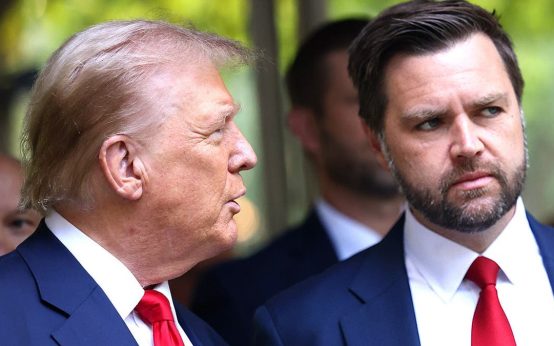 Vice President JD Vance Discusses Trump’s Dress Code Expectations
 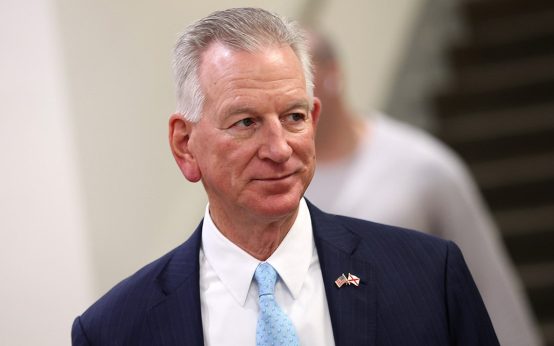 Capitol Hill Reaction to Trump’s Iran Peace Deal
  Trump’s Recent Diplomatic Moves and Headlines
 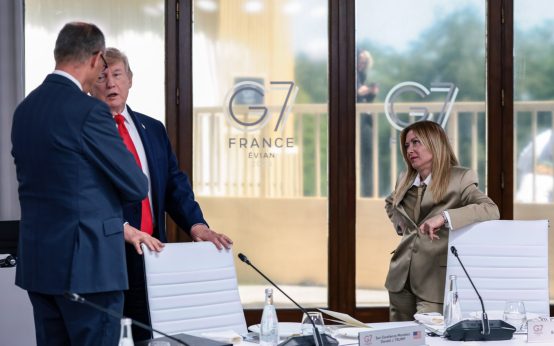 European Populist Leaders Distance Themselves from Trump
  Trump’s Dual Endorsement in South Carolina Governor’s Race
  Uncertain Support in Texas Senate Race: Crockett’s Stance