
New Negotiations Begin in Switzerland
The United States and Iran have initiated another round of discussions in Switzerland. These talks come amid tensions between Israel and Hezbollah in Lebanon, which pose challenges to broader peace efforts and maritime activities in the Strait of Hormuz.
Vice President JD Vance arrived in Switzerland to lead the American delegation, joined by special envoys Steve Witkoff and Jared Kushner. The Iranian group is led by Gen. Mohammad Bagher Ghalibaf, the speaker of Iran’s parliament, with Iranian state media confirming their arrival.
Vance hopes to tackle both the nuclear issue and the cease-fire in Lebanon during his stay, following postponements and uncertainties since Thursday night. Talks will advance only if Iran feels the United States adheres to prior commitments.
Esmail Baghaei, spokesman for Iran’s foreign ministry, emphasized that final agreement talks hinge on U.S. compliance with previous deals.
Initial Agreement and Pending Challenges
The initial agreement from last week established a temporary cease-fire. The United States agreed to stop its blockade of Iranian ports, while Iran assured free passage of ships through the Strait of Hormuz. Additionally, American sanctions on Iranian oil were lifted temporarily, and frozen Iranian assets were made accessible.
However, negotiations over Iran’s nuclear program remain unresolved. Iran maintains its pledge against nuclear weapon development and is expected to dilute its stockpile of uranium further as negotiations proceed.
Conflict in Lebanon Impacting Talks
Conflict involving Israeli forces and Hezbollah, a militia supported by Iran, complicates talks. Although a cease-fire was reached on Friday, subsequent attacks by Israel in southern Lebanon have raised concerns.
In response to these hostilities, Iran stated it would close the Strait of Hormuz, though the U.S. military reported continued traffic flow and denied Iranian control over the strait.
Other Delegations at the Talks
Pakistan, acting as an intermediary, has sent its Prime Minister Shehbaz Sharif and army chief Field Marshal Syed Asim Munir to Switzerland. A Qatari delegation is also set to participate, highlighting the significance of these talks.
While prior discussions in Islamabad ended without resolution after lengthy negotiations, face-to-face talks in Switzerland bring renewed hope for progress.
Vance expressed optimism for progress on nuclear and cease-fire issues, recognizing Iran’s own agenda for discussions.
Before departing, Vance described the ongoing situation between Israel and Lebanon as improving, both in security and stability.
Recent Developments
Despite Iranian statements about controlling the Strait, President Trump emphasized unrestricted passage during the cease-fire. Post-60-day agreements will involve broader discussions among Gulf nations.
As Iran aims to charge for services rendered at the strait, continued negotiations will address tariffs beyond the current cease-fire period.
 Japan Dominates Tunisia 4-0 in World Cup Match
  Pink Boots Make a Statement at the World Cup
  Iran Closes Strait of Hormuz Amid Escalating Tensions
 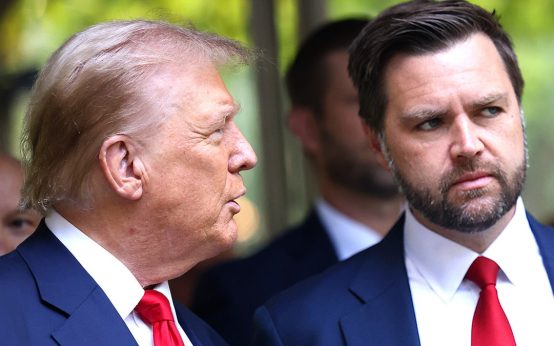 VP Vance Addresses US-Iran Nuclear Talks and Strait of Hormuz Security
 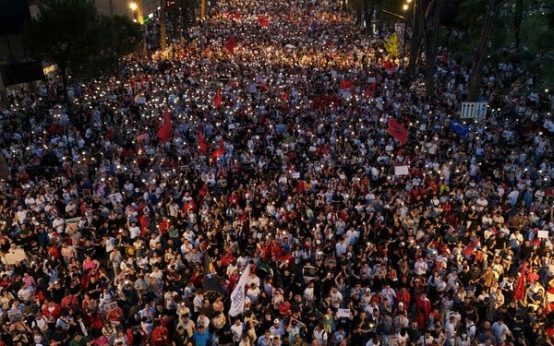 Protests in Albania Address Local Concerns Amid International Attention
 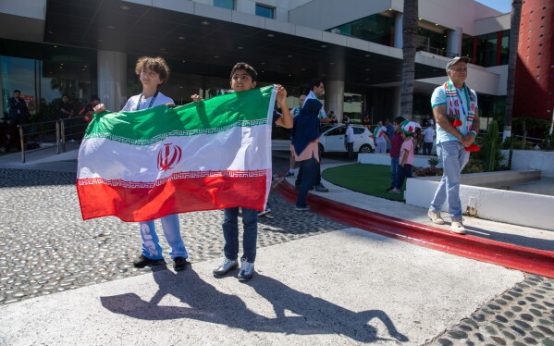 Iran World Cup Team Faces Challenges and Support in Tijuana