Ongoing Legal Dispute
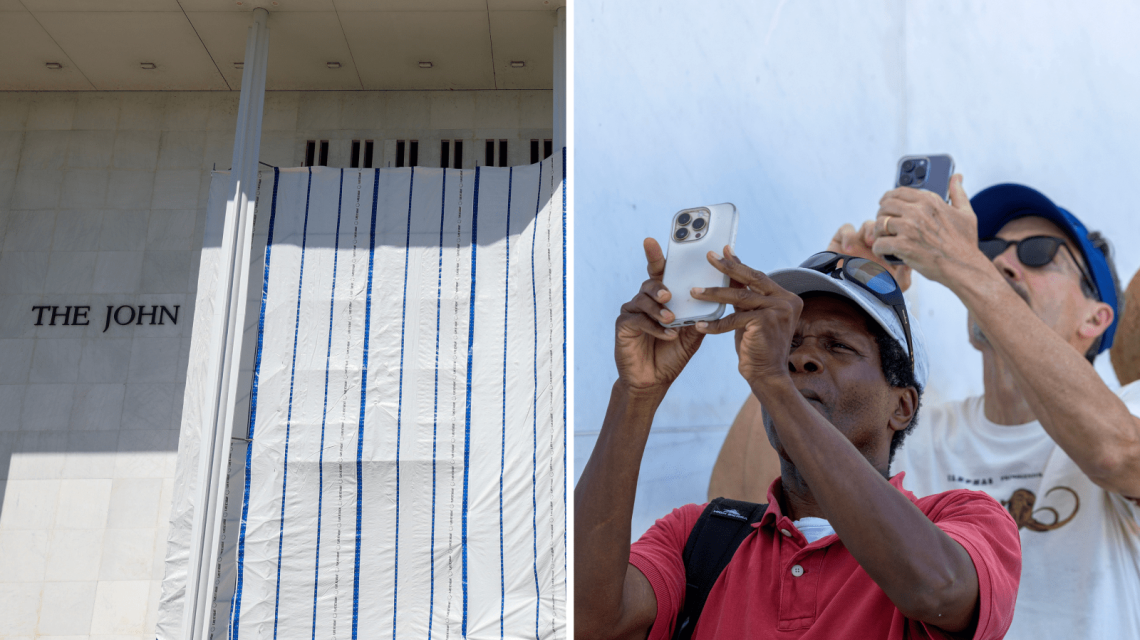
Recent court filings have unveiled claims that internal conflicts are influencing decisions at the Kennedy Center. The legal battle intensified after a federal court ordered the removal of President Donald Trump’s name from the building’s facade, yet the site remains covered with large tarps.
These coverings obscure the area where the signage was removed. Representative Joyce Beatty, responsible for the lawsuit, questioned the center’s explanation for maintaining the tarps, casting doubt on whether they are linked to maintenance or hindering confirmation that the court’s ruling is fully implemented.
Court Orders and Their Importance
At the core of the controversy is a ruling from U.S. District Judge Christopher R. Cooper, stating that adding Trump’s name violated federal law. Cooper emphasized that only Congress has the authority to change the Kennedy Center’s name, as its organic statute clearly designates the center to honor President Kennedy.
The decision demanded all Trump-related signage removal within 14 days, preventing any plans for a two-year closure. This ruling drew upon the Kennedy Center Act, highlighting the institution as a “living memorial” under federal governance. The statute establishes the center as a federally owned but politically guided entity.
By mid-June, officials stated they removed all Trump references from the building and grounds. However, the removal process was largely hidden from public view, shielded by scaffolding and protective tarps placed overnight.
Tarp Controversy
As the coverings persist more than a week later, they prevent independent verification of the facade’s current name display. Kennedy Center spokesperson Roma Daravi explained the delay as crews handle “maintenance needs” concerning marble and soffit panels, yet did not specify when the tarps would come down.
Documents reveal ongoing repairs described as “decades of deferred maintenance,” including marble deterioration and aged soffit panels posing structural risks.
Beatty’s legal team contested the maintenance rationale, labeling the tarp as “semi-permanent” and suggesting leaders may be evading full compliance with the court order. Attorneys accused leadership of disregarding fiduciary duties, potentially falling short of legal obligations.
Visitor and Performer Reactions
Visitors expecting to see the restored facade have encountered an obscured view. Even during the signage removal, onlookers were unable to observe due to the covers.
Actor Tommy Gedrich, performing in Moulin Rouge! The Musical, echoed skepticism, questioning the explanation for preservation work. He noted the tarps disrupt entry routes, forcing longer detours for performers.
The public response varies, with Democratic lawmakers vocal in criticism. Representative Jamie Raskin termed it “a literal cover-up,” while Beatty argued Trump is hiding “an embarrassing defeat.”
Stephen Caken, a New York resident, expressed confusion over the coverings’ persistence, while Maryland resident John Mathew Smith accused the action of defacing national symbols. Another visitor dismissed the dispute as “a lot of hoopla over nothing.”
Protesters outside chant for tarp removal, framing it as a symbol of political control over cultural institutions, while demonstrators suggest alternative uses for the tarp.
Uncertain Renovation Plans
The dispute unfolds amid broader questions about the Kennedy Center’s future. Court filings indicate officials are contemplating three renovation paths: full closure, partial closure, or phased repairs. Previous plans to shut for two years were blocked by the court, demanding ongoing operations.
Filings suggest a new operational model intends to continue post-July 5, despite unresolved programming decisions.
Control Struggles
The current conflict originates from a legal and political struggle over the Kennedy Center’s direction. Trump’s board control in 2025 led to renaming attempts and renovation proposals, prompting Beatty’s lawsuit.
The court ruled the renaming illegal, ensuring the institution reversed planned changes. Originally on naming rights, the dispute now extends into governance and transparency, embodied by the enduring tarp.
Future Developments
The court will continue assessing Kennedy Center compliance, potentially requiring further explanations for the tarp and removal timeline. Until clarified, views of one of Washington’s cultural landmarks remain obscured.
 Vice President JD Vance Engages in Iran Negotiations in Switzerland
  Texas Senate Race Sees James Talarico Soliciting Funds from Tech Executives
  Far-left Candidates Seek to Influence Democratic Party Dynamics
  Federal Government Attempts to Halt Reparations Programs, Citing Constitutional Concerns
  Congress Faces Challenges of Trump’s Iran War
  VP Vance Addresses US-Iran Nuclear Talks and Strait of Hormuz Security