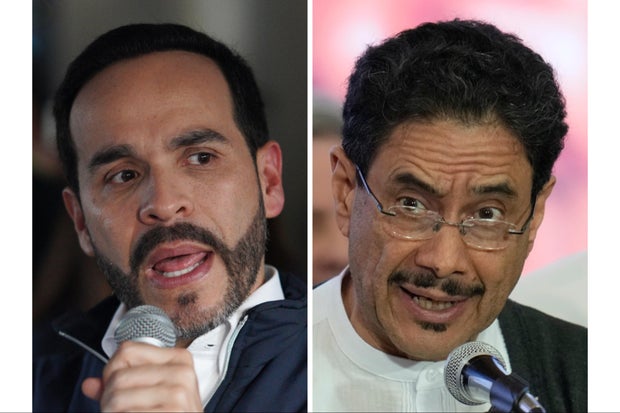
On Sunday, a deeply divided electorate in Colombia will choose its next president in a crucial runoff decision. The contest features a progressive candidate against a conservative outsider, with fears of renewed internal conflicts looming. According to John Manrique, a lawyer in Bogota, the stark polarization and concern over potential violence are significant issues. He hopes for peace and acceptance of the election outcome by all parties.
Colombia’s voters, numbering over 41 million, will decide between two candidates: Iván Cepeda, a far-left senator linked to the ruling Pacto Histórico party and inheritor of President Gustavo Petro’s policies, and Abelardo de la Espriella, a far-right lawyer who aligns with the rhetoric of leaders like Trump and El Salvador’s Nayib Bukele. The election moved to a runoff after Cepeda and de la Espriella topped nine other contenders in the initial round on May 31.
Both candidates propose plans to prevent Colombia from experiencing the nonstop violence of past decades, characterized by car bombs, kidnappings, and forced displacements. De la Espriella endorses a hardline approach, receiving support from Trump. President Petro, meanwhile, has criticized this endorsement, viewing it as interference in Colombian politics while warning of potential political violence should the right-wing gain power.
Colombia and the U.S. maintain important ties in this election. Petro previously highlighted its significance in a social media post backing de la Espriella, suggesting that the outcome could shape the future relationship between the countries. Presidential photos show candidates de la Espriella and Cepeda earlier this year in Bogota.
Cepeda promises to advance Petro’s initiatives, such as engaging in dialogues with numerous illegal armed groups, despite past inefficiencies. The candidates present contrasting approaches to the country’s health system, public debt, and corruption. The initial voting round results show Cepeda with 41% and de la Espriella with 44%. Petro raised questions over the results, disputing de la Espriella’s unexpected lead.
The election occurs a decade after Colombia signed a peace agreement with FARC guerrillas, offering a break from conflict with rebel groups and the government. However, violence resurged as groups shifted from ideological battles to drug trafficking gains. Last year, authorities recorded 14,780 homicides, marking the highest since 2015, driven by clashes among illegal armed groups. Extortion cases also soared, doubling compared to 2015 data.
De la Espriella, known as “The Tiger,” pledges to confront criminals fiercely, promising 10 mega-prisons, echoing Bukele’s policies that reduced homicides but raised human rights concerns. Cepeda aims to continue Petro’s “total peace” initiative by negotiating with guerrillas and criminal gangs. Despite criticism, this plan led to the disarmament of one armed group this week, marking a step toward reintegration.
Critics like Yamile Guevara, a retired teacher in Bogota, suggest Petro’s plans require more time given the decades-long conflict. Guevara also notes a persistent distrust in Colombia’s left due to its past ties with rebel groups. She argues many have forgotten history, urging careful consideration of candidates.
The runoff’s lead-up is marked by heated verbal exchanges and allegations of fraud and intimidation. Cepeda filed complaints against de la Espriella, alleging paramilitary ties. De la Espriella denies these claims as the election reaches its decisive moment.
 Controversy Surrounds Lincoln Memorial Reflecting Pool
 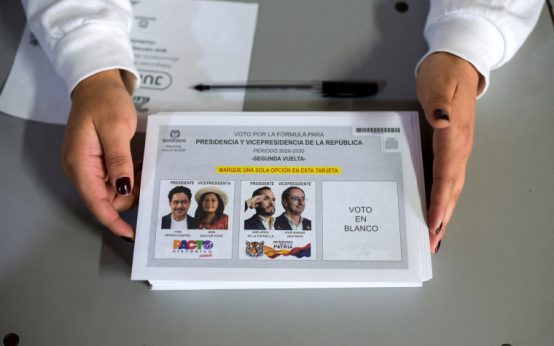 Colombia Election: Runoff for President Amid Tensions and Promising Changes
  Debate Over Birthright Citizenship and Its Implications
 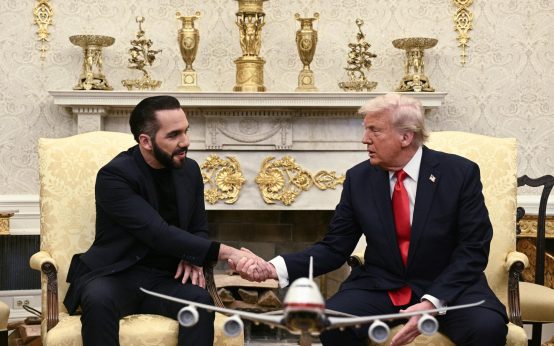 Trump’s Support for Colombian Candidate Sparks Controversy
 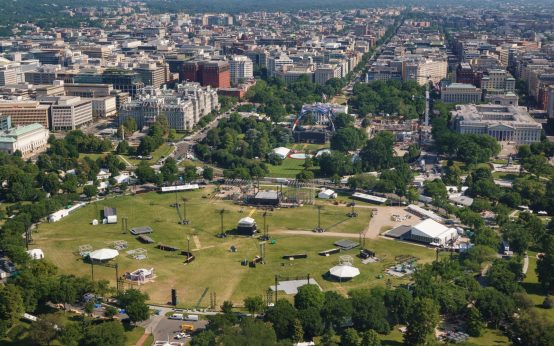 Extensive Damage to White House Grounds After UFC Event Hosted by Trump
  Keir Starmer Faces Political Challenges as Ally Shifts Tone