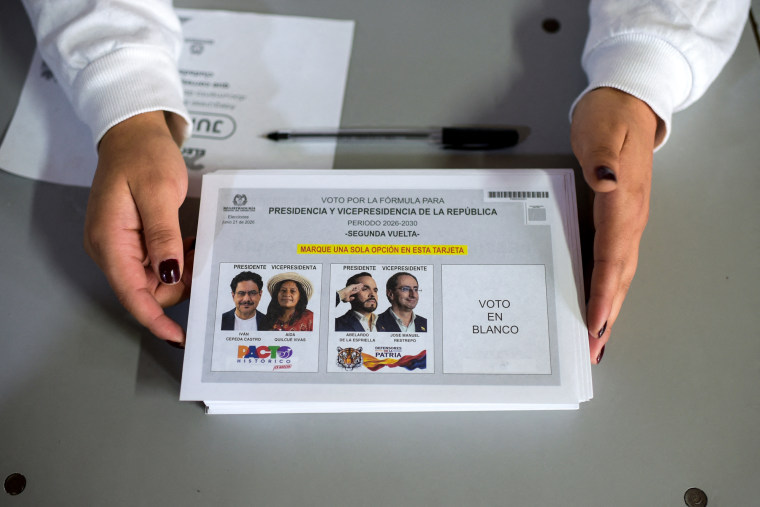
The people of Colombia face a critical choice as they vote for the next president in a runoff election that highlights stark differences between a progressive candidate and a conservative outsider. The election features Abelardo de la Espriella, a businessman and lawyer known for his hardline stance, and Iván Cepeda, a lawmaker aligned with the political movement of outgoing President Gustavo Petro.
De la Espriella and Cepeda emerged victorious from a pool of nine other candidates in the initial round held on May 31. Both are proposing strategies aimed at preventing a resurgence of internal conflict, marked by events like car bombings and kidnappings, that have plagued Colombia in past decades.
De la Espriella offers a tough approach to crime control, gaining support from U.S. President Donald Trump. He suggests constructing 10 mega-prisons as part of his plan to curb criminal activity, inspired by El Salvador’s policies that have reportedly reduced homicide rates. In contrast, Cepeda intends to continue Petro’s initiatives, focusing on establishing dialogue with illegal armed groups, despite previous failures.
Voters are also considering the candidates’ differing proposals to reform the healthcare system, manage public debt, and tackle corruption. John Manrique, a lawyer from Bogota, expressed concerns over existing political polarization and hoped for social consensus post-election.
In the first voting round, Cepeda received 41% of the vote while de la Espriella secured 44%. This outcome followed controversies sowed by Petro, who questioned the results after Cepeda fell short of winning outright.
The election occurs ten years after Colombia signed a peace treaty with the Revolutionary Armed Forces of Colombia (FARC), which had initially promised an end to enduring conflict. Despite this historic pact, violence persists, exacerbated by rebel groups now engaging in drug trafficking. The nation recorded 14,780 homicides last year amid clashes between armed groups, one of which resulted in the assassination of conservative candidate Miguel Uribe.
Over 41 million Colombians are eligible to cast their vote. De la Espriella, nicknamed “The Tiger,” advocates for stringent criminal justice policies, whereas Cepeda aims to achieve “total peace” through negotiated agreements with guerrillas and gangs. Some Colombia’s rebel groups’ involvement in these plans has minimal success.
Critics, including retired teacher Yamile Guevara, argue that Petro’s peace efforts require more time. Guevara highlights voter skepticism toward Colombia’s left, often associated with rebel factions. tensions between the candidates have been marked by allegations of fraud and voter intimidation.
Cepeda filed complaints alleging that de la Espriella has connections to paramilitary forces, which de la Espriella has refuted. As the electorate prepares to make its decision, the nation holds its breath for a less divisive future.
 Controversy Surrounds Lincoln Memorial Reflecting Pool
  Debate Over Birthright Citizenship and Its Implications
  Trump’s Support for Colombian Candidate Sparks Controversy
 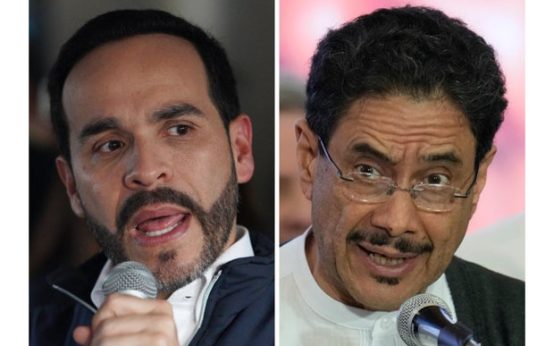 Colombia’s Presidential Runoff: A Nation Divided
 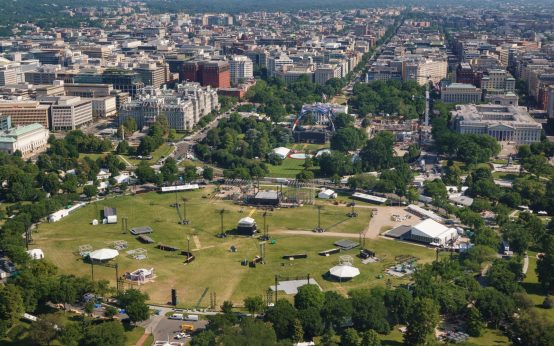 Extensive Damage to White House Grounds After UFC Event Hosted by Trump
  Keir Starmer Faces Political Challenges as Ally Shifts Tone