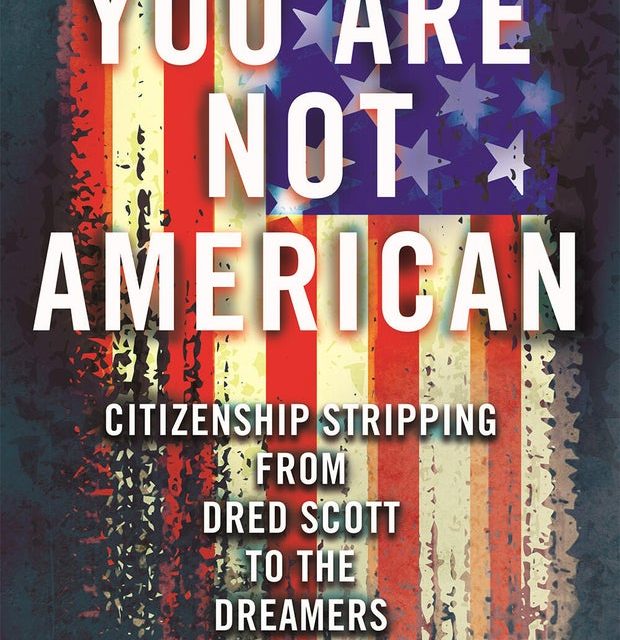
Birthright citizenship is a fundamental component of American identity, enshrined in the 14th Amendment. This law states, “All persons born or naturalized in the United States, and subject to the jurisdiction thereof, are citizens of the United States and of the State wherein they reside.” Everyone born in the U.S. becomes a citizen at birth, excluding only children of diplomats and occupying forces, explains Amanda Frost, a law professor at the University of Virginia.
A poll from the Pew Research Center indicates a split in public opinion on granting citizenship to children of undocumented immigrants, with 50% in favor and 49% against. This ongoing debate has gained significant attention through legislative and executive actions.
In January 2025, an executive order by President Trump sought to alter the interpretation of the 14th Amendment, affecting many children born to non-citizen parents. This attempt faced immediate legal challenges and currently awaits a Supreme Court decision.
The Supreme Court has previously ruled on the 1857 Dred Scott v. Sandford case, now infamous for denying citizenship to Black individuals. The subsequent passage of the 14th Amendment aimed to rectify injustices post-Civil War, offering citizenship to former enslaved people and the children of immigrants.
The case of Wong Kim Ark exemplifies the struggle for immigrant rights. Born in San Francisco to Chinese parents, Wong was denied U.S. reentry under the Chinese Exclusion Act. After fighting for his citizenship, the court ruled in his favor, affirming the principle of birthright citizenship.
Current debates focus on how the 14th Amendment applies to children of unauthorized immigrants. Scholar Rogers Smith argues Congress should play a more significant role in addressing these constitutional issues, rather than relying solely on judicial interpretation.
Globally, many countries have moved away from universal birthright citizenship. In January 2005, Ireland ended such policies, affecting individuals like Mariam Sobayo. Born after Ireland’s policy change, Sobayo faced statelessness before eventually gaining citizenship in 2023.
Amanda Frost emphasizes the importance of maintaining birthright citizenship in the U.S. as integral to American values, arguing that it promotes equality and encourages immigrant integration, benefiting the nation economically and culturally.
Ultimately, discussions surrounding birthright citizenship provide an opportunity to reaffirm the principles intended by the 14th Amendment: ensuring equality and aligning with foundational American values.
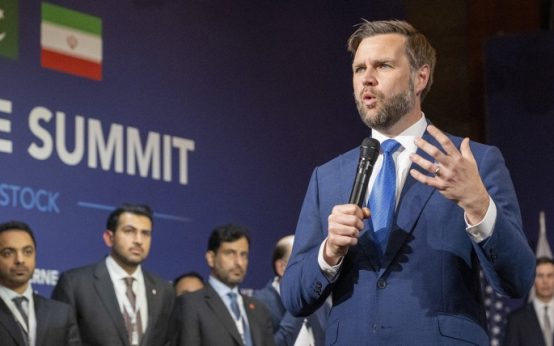 US-Iran Negotiations and Developments
  Cory Booker’s Critique on Trump’s Iran Deal
  Controversy Surrounds Lincoln Memorial Reflecting Pool
 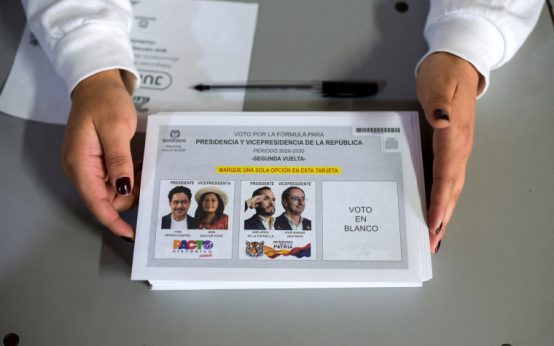 Colombia Election: Runoff for President Amid Tensions and Promising Changes
  Trump’s Support for Colombian Candidate Sparks Controversy
 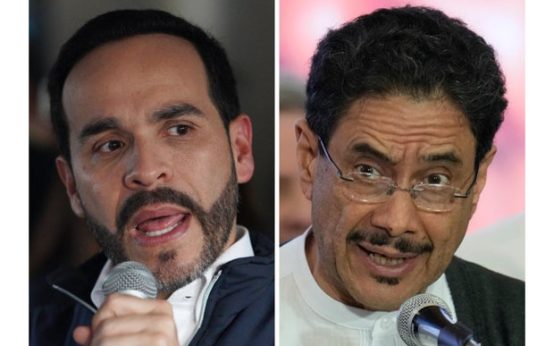 Colombia’s Presidential Runoff: A Nation Divided