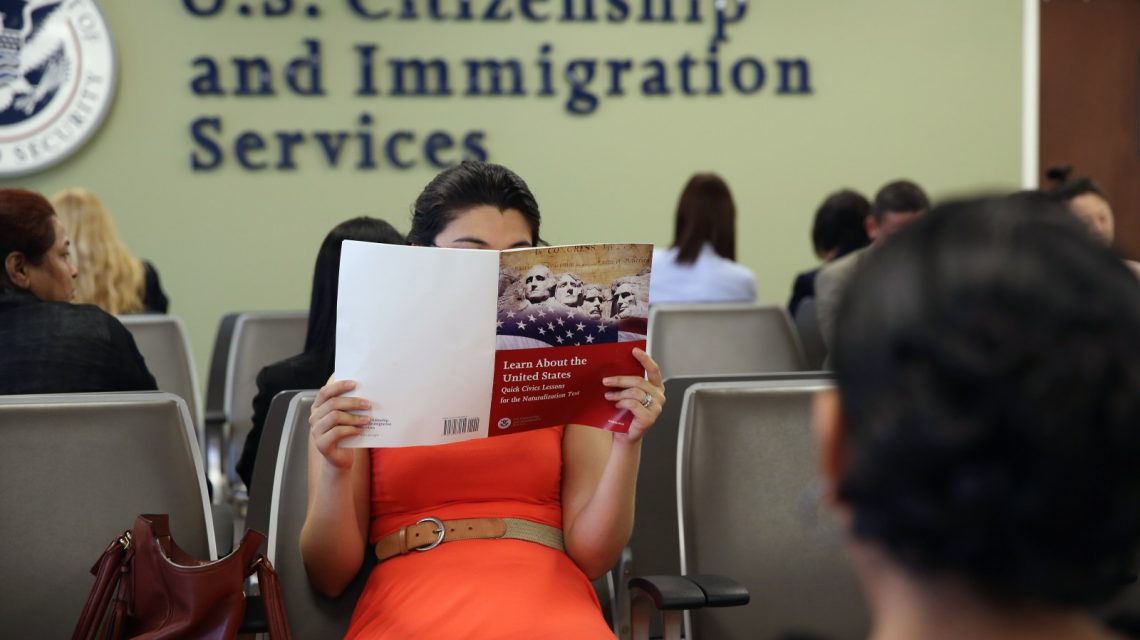
The Trump administration is challenging a federal appeals court decision regarding a $100,000 payment tied to certain H-1B visas. The administration argues that this fee is a lawful immigration restriction, not a tax. They seek to overturn a lower court ruling that blocked the policy.
In filings dated June 18, the administration presented their case to the US Court of Appeals for the First Circuit. They assert that the president possesses broad authority over immigration policies, and the fee imposed is within this scope. Earlier, a district judge had ruled that creating such a fee without congressional approval seemed to exceed presidential authority, making it tantamount to a tax.
President Donald Trump’s proclamation mandates employers seeking new H-1B visas to pay $100,000 for foreign worker entry. This came after identifying misuse in the visa program, as stated by the administration. They further argue that the policy addresses national security risks, suggesting that unchecked entry of foreign workers might threaten U.S. interests.
The H-1B visa program faces criticism for allegedly displacing U.S. workers and lowering wage levels. Advocates, however, emphasize its role in filling specialized positions in critical industries such as healthcare and engineering. The Trump administration references these concerns to justify their stance on the proclamation, citing the alleged “large-scale replacement of American workers.”
The H-1B visa program enables U.S. employers to temporarily hire foreign workers in specialty fields. Federal regulations limit new visas to 65,000 yearly, with an additional 20,000 for workers holding advanced U.S. degrees.
Under the policy, Homeland Security and State Department officials are instructed to deny new H-1B petitions lacking the fee payment and verify them before issuing visas, per the government’s filing.
A coalition of states contended the policy exceeded presidential authority, effectively imposing a tax absent congressional consent. On June 8, a Massachusetts federal district court concurred, voiding the fee by ruling it as a tax unauthorized by Congress. “The President had no power or delegated authority to impose a tax on H-1B petitions,” wrote US District Judge Leo Sorokin in a detailed decision. The administration is appealing and requesting a stay on that ruling.
The government argues the district court wrongly categorized the payment as a tax. They contend that it serves as a condition on entry, like other fees and restrictions associated with immigration. The administration’s legal team emphasizes the urgency of resolving the matter, highlighting the difficulty of revoking visas or removing individuals who have recently entered without paying.
Justice Department attorneys cite sections of the Immigration and Nationality Act granting the president authority to “impose on the entry of aliens any restrictions he may deem to be appropriate.” They maintain this scope includes the imposition of a one-time payment. This fee aims not to generate revenue but to regulate immigration by discouraging dependency on foreign labor, thus promoting the hiring of U.S. workers.
The court classified the payment as a tax, rendering the policy unlawful under the Administrative Procedure Act, as it surpasses statutory authority while circumventing required rulemaking processes.
The ongoing case before the First Circuit will address whether the payment is a valid immigration restriction or an unlawful tax lacking congressional approval. This decision could clarify the extent of presidential authority over employment-based visa programs.
 Challenges in Jack Schlossberg’s Congressional Campaign
  Democratic Contest in Utah Highlights Party Divide
  British Prime Minister Keir Starmer Resigns Amid Internal Pressure
  British Prime Minister Sir Keir Starmer Announces Resignation Amid Political Pressure
  Colombia’s Presidential Election Shifts Right Amid Protests
  Mystery Around Trump’s Social Media Post Sparks Curiosity