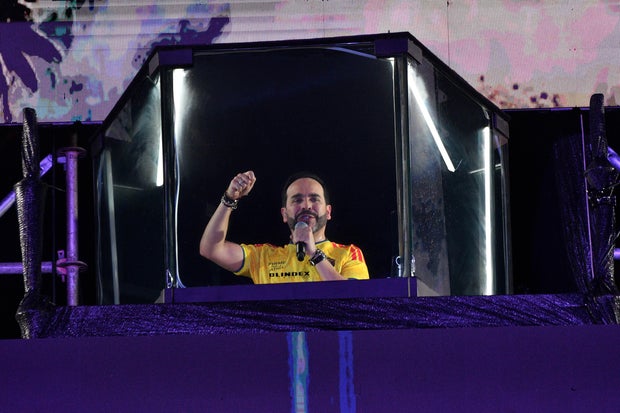
In Barranquilla, Colombia, a U.S.-backed lawyer, Abelardo de la Espriella, narrowly won the presidential runoff, shifting the country to the right. De la Espriella’s victory against left-wing Senator Ivan Cepeda has led to unrest in major cities as Colombians react to the outcome.
With nearly all votes counted, De la Espriella secured 49.66% compared to Cepeda’s 48.70%. This tight race has sparked demonstrations throughout the country. The victory bolsters ties with Washington and supports a regional focus on stringent security measures.
“We are beginning a new era!” De la Espriella stated to his supporters, emphasizing a commitment to fighting drug-related violence and corruption.
The campaign was tainted by violence, including guerrilla attacks and the assassination of a conservative candidate. Despite the challenges, figures like President Trump celebrated the win, highlighting its significance for right-wing politics in the Americas.
Protests erupted in cities like Cali and Bogota. Demonstrators expressed discontent by burning American flags and clashing with police. Natalia, a 26-year-old student, criticized the right-wing governments for benefiting the wealthy. Yet, De la Espriella’s supporters celebrated, expressing hope for improved security and stability under his leadership.
Daniela Oliveros, 30, shared her optimism: “I believe a lot in the country, I believe a lot in freedom.” She praised De la Espriella for promoting a sense of security and employment.
Reassurance and Future Policies
Despite the slim margin, De la Espriella aimed to ease tensions with his victory speech. He promised a democratic government that respects all citizens and vowed to honor Colombia’s diverse political landscape.
Colombia’s return to right-wing leadership could impact the existing peace process. De la Espriella expressed intentions to end peace talks with dissident groups and pursue U.S.-backed military actions.
Over the last decade, Colombia has seen development since the FARC peace accord. However, drug cartels and dissident groups still pose significant challenges, with cocaine exports peaking. The U.S. Secretary of State, Marco Rubio, expressed eagerness for collaboration with the new administration.
Cepeda’s Stance
Opponent Ivan Cepeda hesitated to concede, pending the final vote count. For Cepeda’s victory, the numbers would need a substantial shift. Although more than 26 million participated in the election, historical precedent suggests a recount is unlikely to change the results.
De la Espriella called on Cepeda to accept the results and avoid inciting unrest, warning that further conflict could lead to serious repercussions.
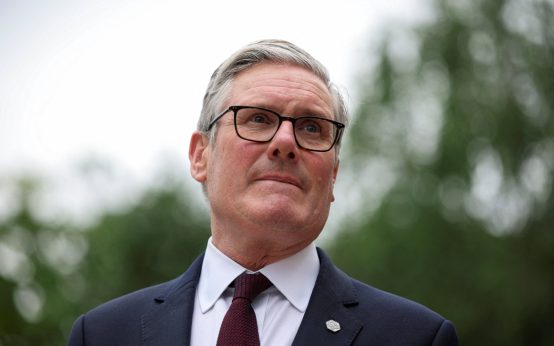 British Prime Minister Sir Keir Starmer Announces Resignation Amid Political Pressure
  Keir Starmer’s Resignation and Andy Burnham’s Rise
  Trump Clarifies ‘I’m the Boss’ Comment at G7 Summit
  Iran Faces Off-Field Challenges Amid World Cup Progress
 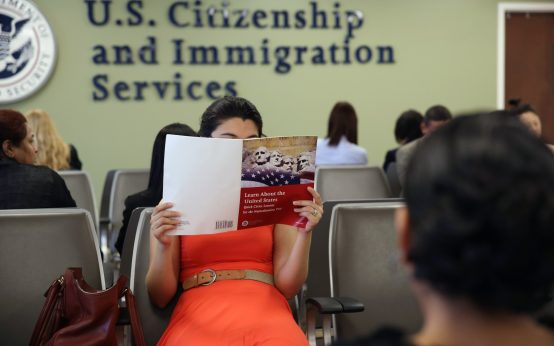 Trump Administration’s H-1B Visa Payment Challenge
  Mystery Around Trump’s Social Media Post Sparks Curiosity