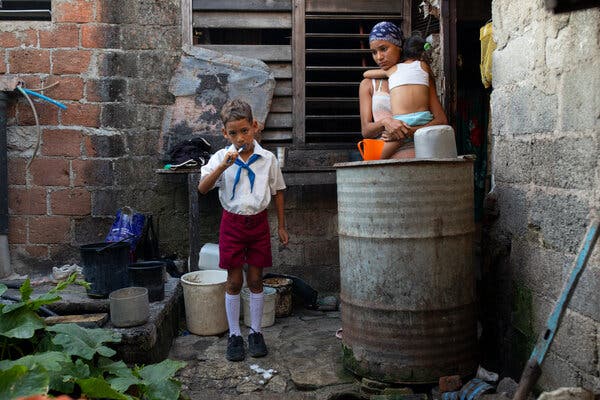
Cuban schools are facing significant disruptions due to a severe fuel shortage caused by a U.S. oil blockade. As a consequence, the academic year is ending early in many areas.
For siblings Axisa and Aron Alfonso, aged 6 and 7, their situation is better than that of many classmates. Their father uses a horse named Chocolate to take them the mile to school in western Cuba. However, distance is a problem for others. The old Soviet-era school buses, once vital for transportation, have become unreliable. Teachers frequently cannot reach the school, forcing children like the Alfonso family to return home without attending classes.
This blockade has exacerbated an energy crisis in Cuba, significantly reducing transportation options. Sergio Alfonso Vásquez, a farmer and the children’s father, shares his concern: “My children rarely go to school. They go, but the teachers don’t come. I’m afraid because they aren’t learning anything.”
To conserve energy, the Cuban government has introduced measures like reducing school days to half and shifting college students to remote learning, similar to Covid-era arrangements. Recently, the government announced an early end to the school year and canceled college entrance exams for high school seniors. This decision comes amid issues like sleepless nights without electricity and the absence of school meals, which affect both students and teachers.
 Progress in Iran-U.S. High-Level Talks
  U.S.-Iran Negotiations, Starmer’s Resignation, and Extreme Sports Safety
 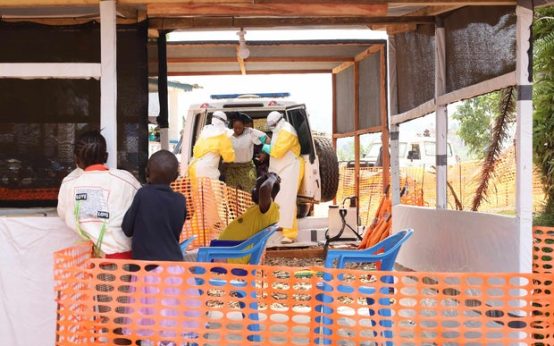 Ebola Cases in Eastern Congo Escalate Amid Challenges
  Mediators Report Progress in US-Iran Peace Talks
 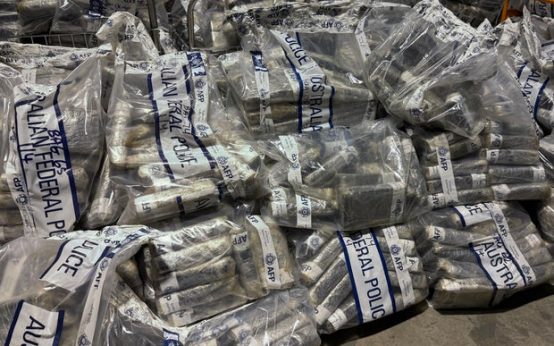 Australian Police Break Record with Largest Cocaine Seizure
  U.S.-Iran Talks Show Progress Amid Lebanon Conflict and Issues in Hormuz