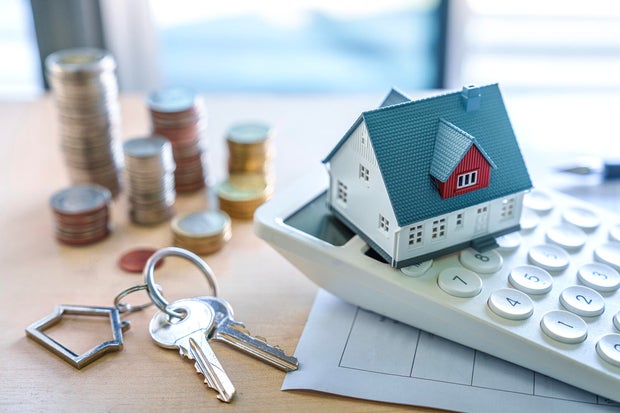
Buying a home presents significant financial challenges for many borrowers today. With mortgage rates near 6.5%, elevated home prices, and inflation at 4.2%, household budgets feel the strain. This economic environment leads many potential buyers to question the timing of a home purchase. For those earning $75,000 annually, these challenges are even more apparent. That income could support more homebuying options just a few years ago. But now, rising costs impact what you can afford.
The key lies in understanding affordability. Many lenders use the 28/36 rule. You should spend no more than 28% of your gross monthly income on housing. Total debt payments should not exceed 36%. A $75,000 salary translates to about $6,250 monthly before taxes. This allows for an approximate $1,750 in housing payments.
However, this $1,750 isn’t just for the loan. It must cover property taxes, homeowners insurance, and if needed, private mortgage insurance (PMI). You need to set aside an appropriate amount for these expenses. Typically, you have around $1,300 monthly for principal and interest on a $75,000 salary.
With a mortgage rate of 6.5% over 30 years, this budget supports a loan of around $205,000. Add your down payment, and your target price becomes clearer. A 10% down payment puts you in the $225,000 range. Push to 20%, and you reach $255,000, eliminating PMI. Most earners on this salary buy between $215,000 and $270,000, depending on cash available and existing debts. Other debts like car and student loans impact the mortgage you qualify for.
Expanding Your Homebuying Budget
If the budget seems tight, there are ways to adjust. One key factor is your credit score. The 6.5% rate is an average. Strong credit may qualify you for lower rates, expanding your buying power. Paying down debts and correcting credit errors can be valuable steps.
Tackling existing debt increases borrowing power. Paying off car loans or credit cards creates more room under the 36% debt ceiling. A larger down payment reduces the loan amount needed and eliminates PMI at 20%, redirecting funds to the home.
Consider loan programs. Some federally-backed loans require as little as a 3.5% down payment. State and local programs may offer down payment assistance or low rates. Where you buy also matters. Property taxes and insurance costs differ by region. Lower-tax areas increase your budget without changing your income.
The Bottom Line
A $75,000 salary still buys a home today, just not as much as before. Realistic targets are in the low to mid $200,000s. The final price depends on down payment, debts, and local costs. Before buying, match your numbers to the 28/36 rule. Get pre-approved to see what lenders offer. View listing prices as part of a larger equation.
 Laguna Beach Real Estate Dispute Ends with $1.34 Billion Award
  Long-term U.S. Mortgage Rates Decline Amid Decreasing Treasury Yields
 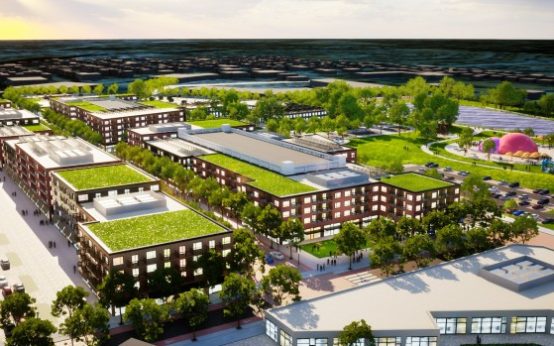 West Dundee Plans Development on Former Spring Hill Mall Site
  Understanding the Current Renter’s Market
 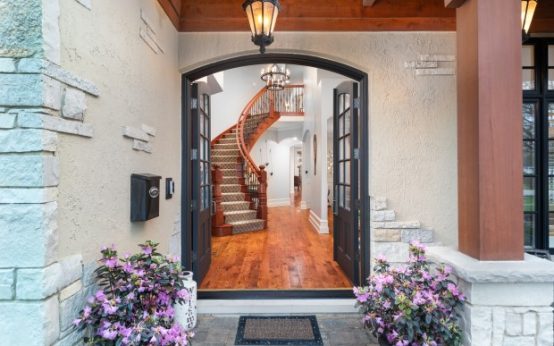 Luxurious Naperville Home with Modern Amenities
 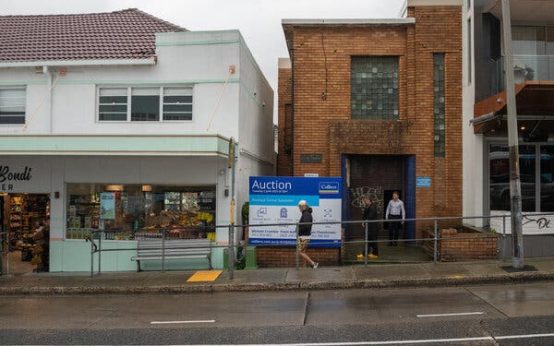 Unconventional Properties Gain Popularity in Australia’s Tight Housing Market