
Chloe Troub and her boyfriend, Carson McDonald, find the term ‘renter’s market’ insulting, given high rent costs. In Nashville, landlords appear eager to attract tenants, as seen in Mason Comans’ recent apartment search. He received messages from property managers offering incentives like free rent for several months.
According to Zillow senior economist Kara Ng, this is a favorable year for renters. The national typical rent increase is lagging behind wage growth and inflation, with rent rising only 1.9% year-over-year in April. Meanwhile, broader consumer prices rose by 4.2%. Realtor.com also reported a 1.5% decrease in rent year-over-year.
Ng noted that 39.8% of rentals on Zillow offered move-in incentives, such as waived fees or free rent, providing relief for families struggling with expenses like utility bills and gas. Ng commented, ‘Rent offers that breathing room.’ However, rent conditions vary greatly by location.
An Apartment Construction Boom
The recent slow growth in rent prices is linked to basic supply and demand principles. A surge in apartment construction led to a large increase in available units. In 2024, the U.S. built about 600,000 units, the highest in 38 years, resulting in a rental vacancy rate of 7.3%, the highest in 12 years. This construction boom, however, is not uniform across the country. Sun Belt cities, like Nashville, Phoenix, and Austin, saw significant construction, prompting managers to offer perks to attract renters.
But this isn’t the case everywhere. In Chicago, Troub described the renter’s market as difficult. Zillow data shows a 5.4% rent increase in the area over the past year, caused by high demand and limited supply. Troub, who currently pays $1,600 for a one-bedroom, found a larger sublet costing $2,000, which would consume her boyfriend’s raise. The sublet owner wasn’t concerned about pricing her out, with 12 potential tenants waiting.
The Fine Print in Rent Deals
There are aspects renters should consider about these incentives. Move-in deals are temporary, with consistent rent hikes each year. Michelle Becker, a broker in Nashville, pointed out that while landlords use incentives to draw tenants, they often impose regular rate increases once tenants are secured.
To capitalize on move-in incentives, Comans has moved multiple times. His latest apartment includes a pool, market access, and two-and-a-half months of free rent. However, to continue to receive such benefits, he acknowledged he might need to relocate again.
On a broader scale, despite incentives, rent remains higher than before the pandemic by 36.9%. Comans himself pays $1,800 monthly, acknowledging, ‘It’s a lot of money.’ The situation illustrates the complexity of the renter’s market.
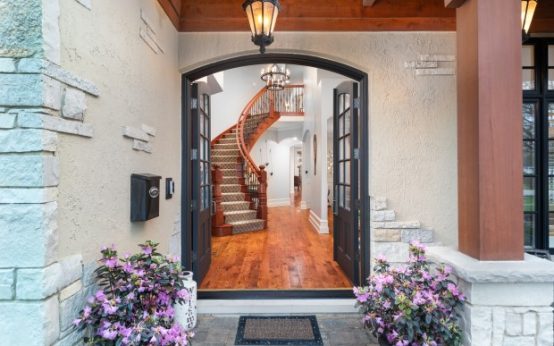 Luxurious Naperville Home with Modern Amenities
 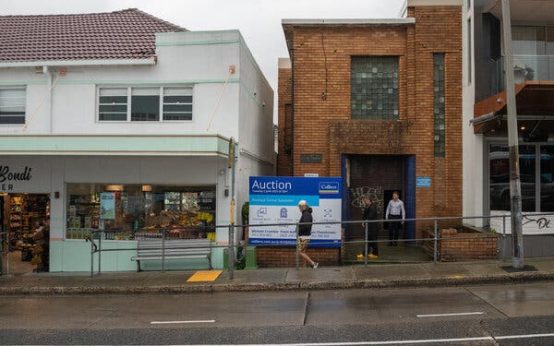 Unconventional Properties Gain Popularity in Australia’s Tight Housing Market
 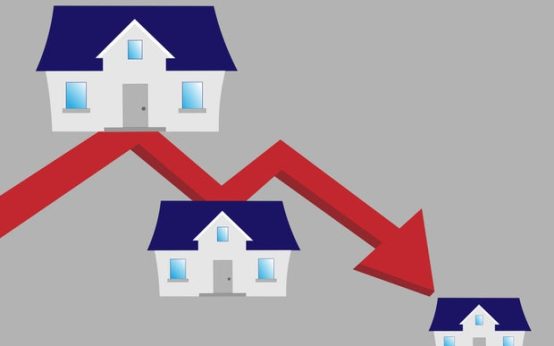 Understanding the Benefits of Home Equity Loans in the Current Market
  Is a Home Warranty Worth It for You?
 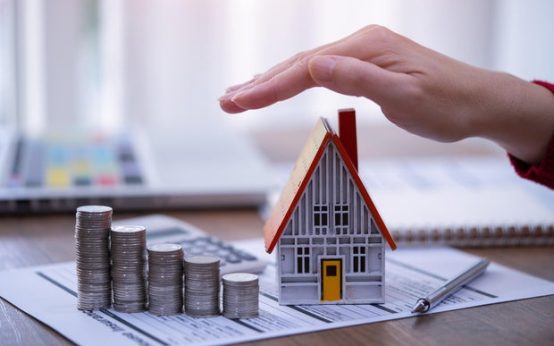 Understanding Home Warranty Coverage for Central Air Conditioning Systems
  Consequences of Property Sales Privacy in Nondisclosure States