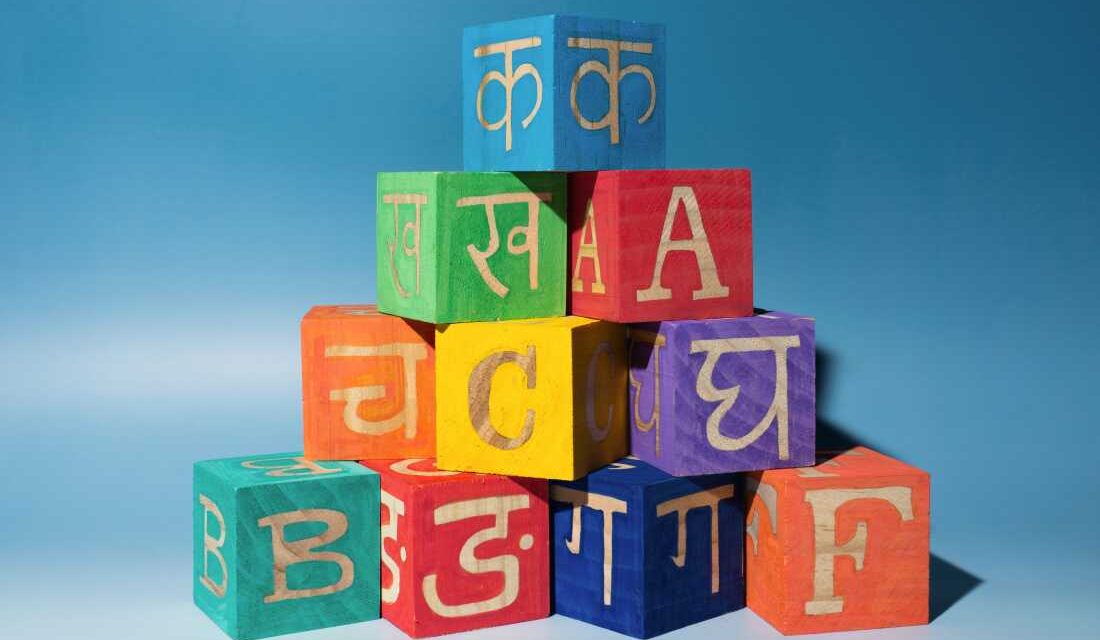
Understanding Bilingual Language Development
Some parents worry that teaching their children multiple languages will cause confusion. According to Farwa Husain, a bilingual speech-language pathologist, this is a myth. She emphasizes that children can learn two languages without experiencing language delays or difficulties.
Children are like sponges absorbing everything they’re seeing and hearing.
A 2013 article in Learning Landscapes confirms that bilingual children are not at a higher risk of language disorders. The article addresses that ‘code-mixing,’ or using two languages in a sentence, is normal and reflects children’s creativity in bilingual development.
Studies show bilingualism can enhance cognitive function, improve multitasking, and boost academic performance.
Choosing a Language Strategy
Raising multilingual kids requires consistency. Liliana Diaz, another bilingual speech-language pathologist, suggests sticking to a language strategy tailored to your family’s needs.
- One parent, one language: Each parent consistently speaks a different language with the child, for example, one speaks Mandarin, the other Hindi.
- Time and place: Designate times or situations when the family speaks the minority language, such as Sundays or at a grandparent’s house.
- Minority language at home: Communicate in the minority language at home while the child learns the majority language at school.
- Mixed languages at home: All family members speak all languages interchangeably. This helps children quickly differentiate languages.
Diaz emphasizes that consistency in the chosen method is essential for effective language learning.
Creating an Immersive Language Environment
Incorporate the second language into daily life. Engage in activities already shared with your child using the second language. Diaz suggests:
- Listening to music in the car
- Watching cartoons
- Going on playdates
- Reading books
Regular video calls with relatives in the non-dominant language can be valuable. Husain notes that these conversations build language skills as effectively as in-person interactions.
Celebrate cultural events to associate the language with positive experiences. Diaz celebrates Día de Los Muertos to connect her children with their Mexican heritage. Language education is deeply tied to cultural identity.
Language is culture, which is identity.
Encouraging Curiosity and Embracing Imperfection
Encourage curiosity about languages without forcing fluency. Preti, a parent raising bilingual children, shares the importance of playing with languages and learning naturally. Her children sometimes explore similarities between Spanish and French.
Allow children to mix languages and acknowledge their attempts. Diaz appreciates her son’s mixed English-Spanish words, seeing them as creative expressions.
Even if children claim not to understand, repeating and modeling the language will eventually help them grasp it.
Patience is crucial. Children might initially resist speaking the second language but will understand it over time.
 LAUSD Superintendent Resigns Amid Ongoing FBI Investigation
  Graduation Ceremony Disrupted as Bard College President Faces Student Backlash
  Superintendent Alberto Carvalho Resigns Following FBI Investigation
  Annual Car Show in Batavia Supports Mooseheart Kids
  Superintendent Alberto Carvalho Resigns Amid Investigation
  From Lockdown to Vines: Natasha Jacka’s Journey to Winemaking