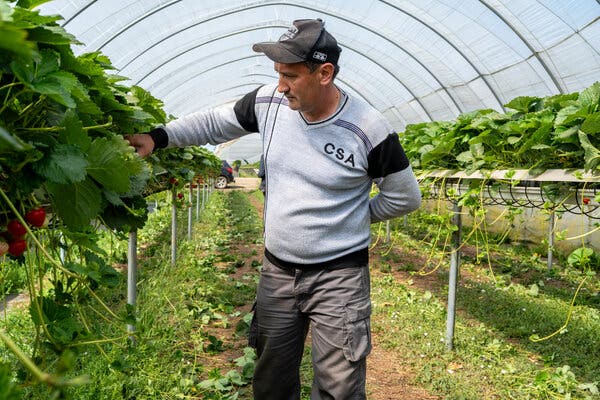
In southern England, Shukrat Djuraev, originally from Bukhara, Uzbekistan, attends to strawberry plants in Kent’s greenhouse tunnels. As a seasonal worker, he is among many from countries like Kyrgyzstan and Tajikistan who support British agriculture. Farming leaders emphasize their critical role in preventing the collapse of numerous farms.
Years ago, Eastern European workers were preferred for these jobs. However, the Brexit referendum changed this dynamic. It ended their right to work in Britain. Many believed this would reduce foreign labor, but the opposite happened.
Now, ten years since Brexit, British farms have adapted by recruiting from Central Asia. Seasonal workers from this region enter Britain on six-month visas, filling the labor void.
Immigration heavily influenced the Brexit vote. Proponents argued for more control over Britain’s borders. Today, this issue persists under the governing Labour Party.
Nigel Farage, a leading Brexit voice, heads the Reform U.K. party, a major force in politics. Strong poll performance and recent local election victories have pressured Labour and led to Prime Minister Keir Starmer’s resignation.
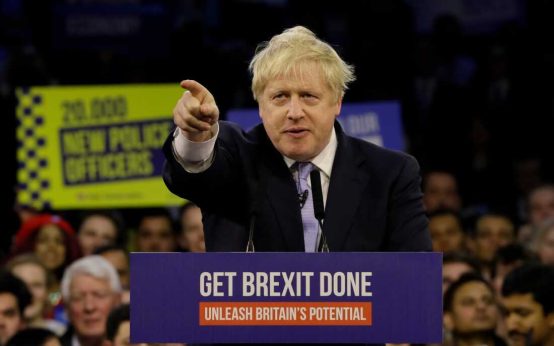 Brexit’s Continued Impact on British Politics
 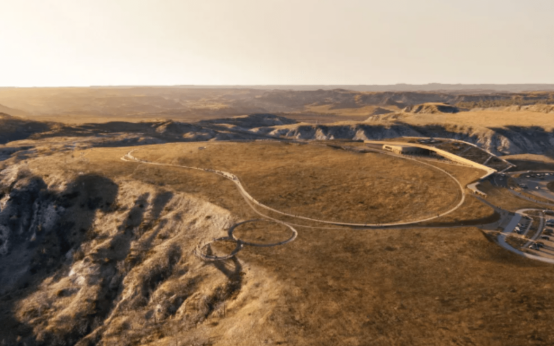 Trump to Attend Theodore Roosevelt Library Dedication in North Dakota
  Algeria Secures Crucial Win Over Jordan to Boost World Cup Hopes
  Haaland Leads Norway to World Cup Knockout Stage
  Erling Haaland Shines in World Cup Debut as Norway Advances
 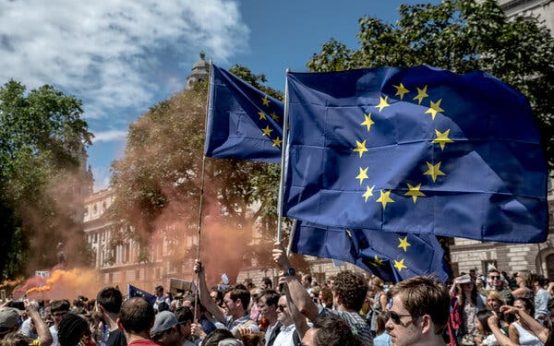 Brexit’s Economic Impact Ten Years On